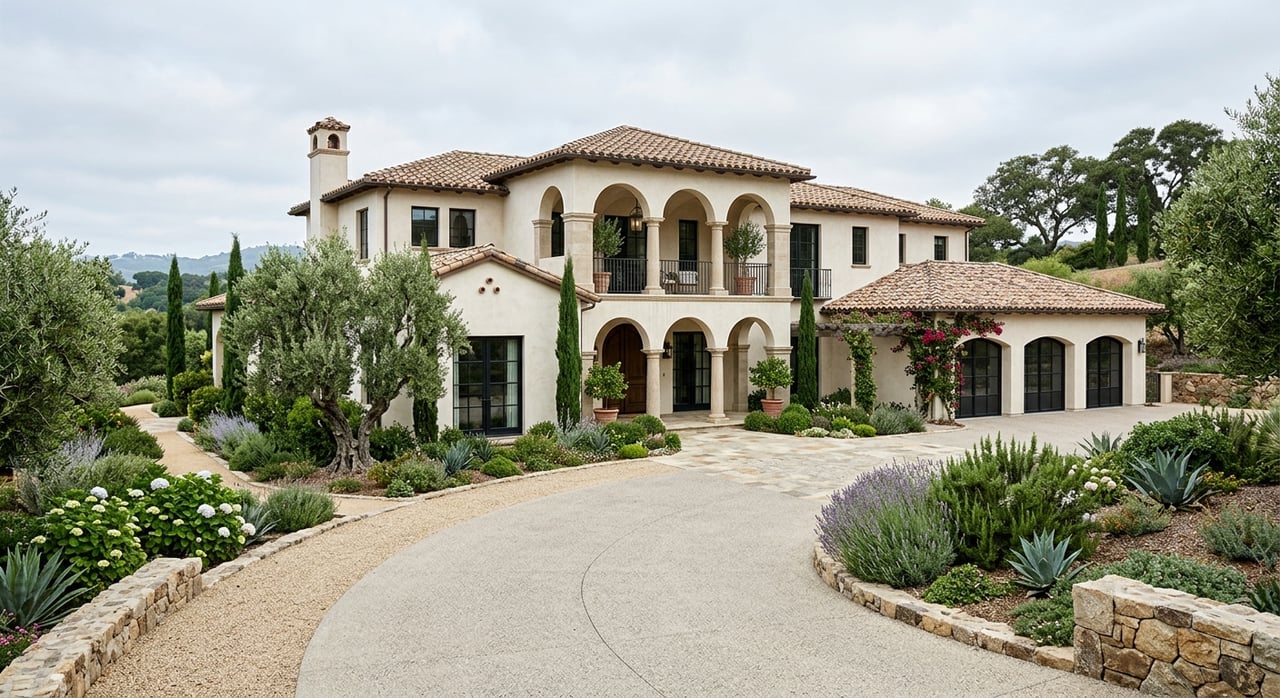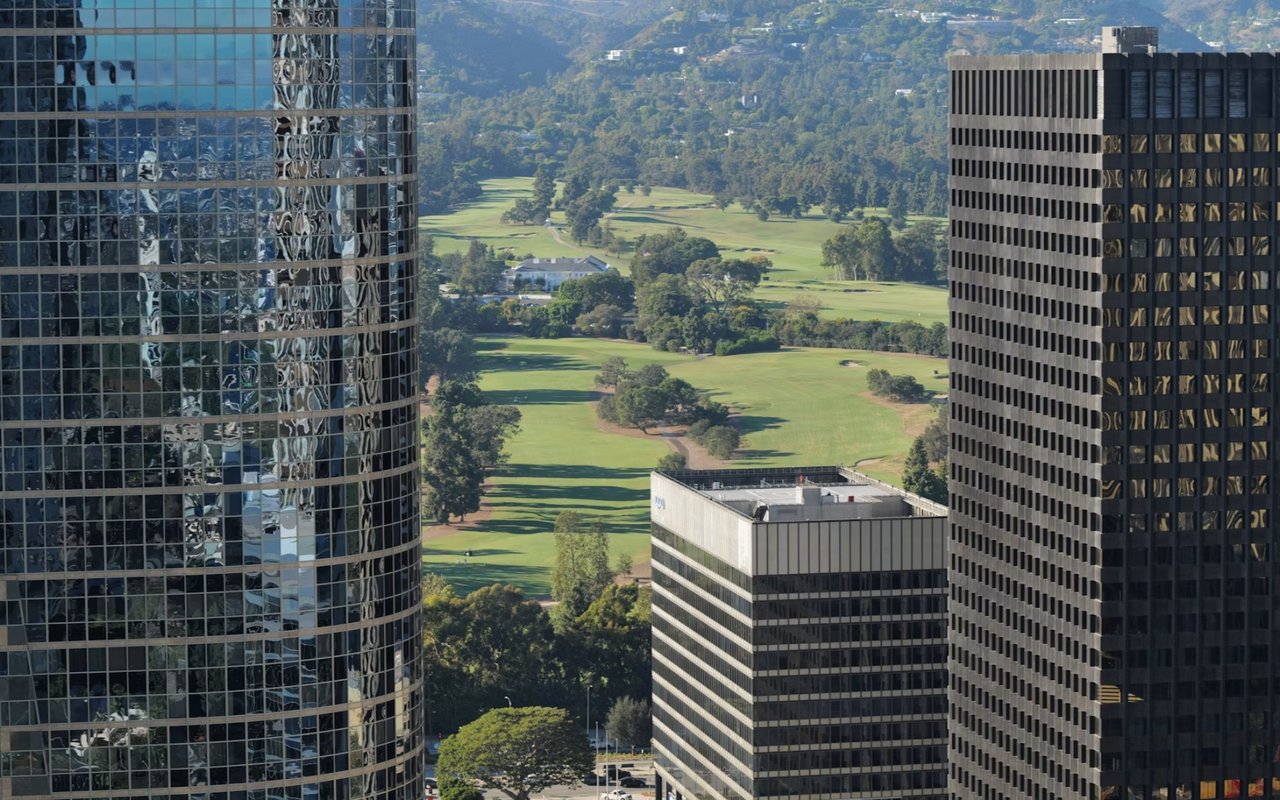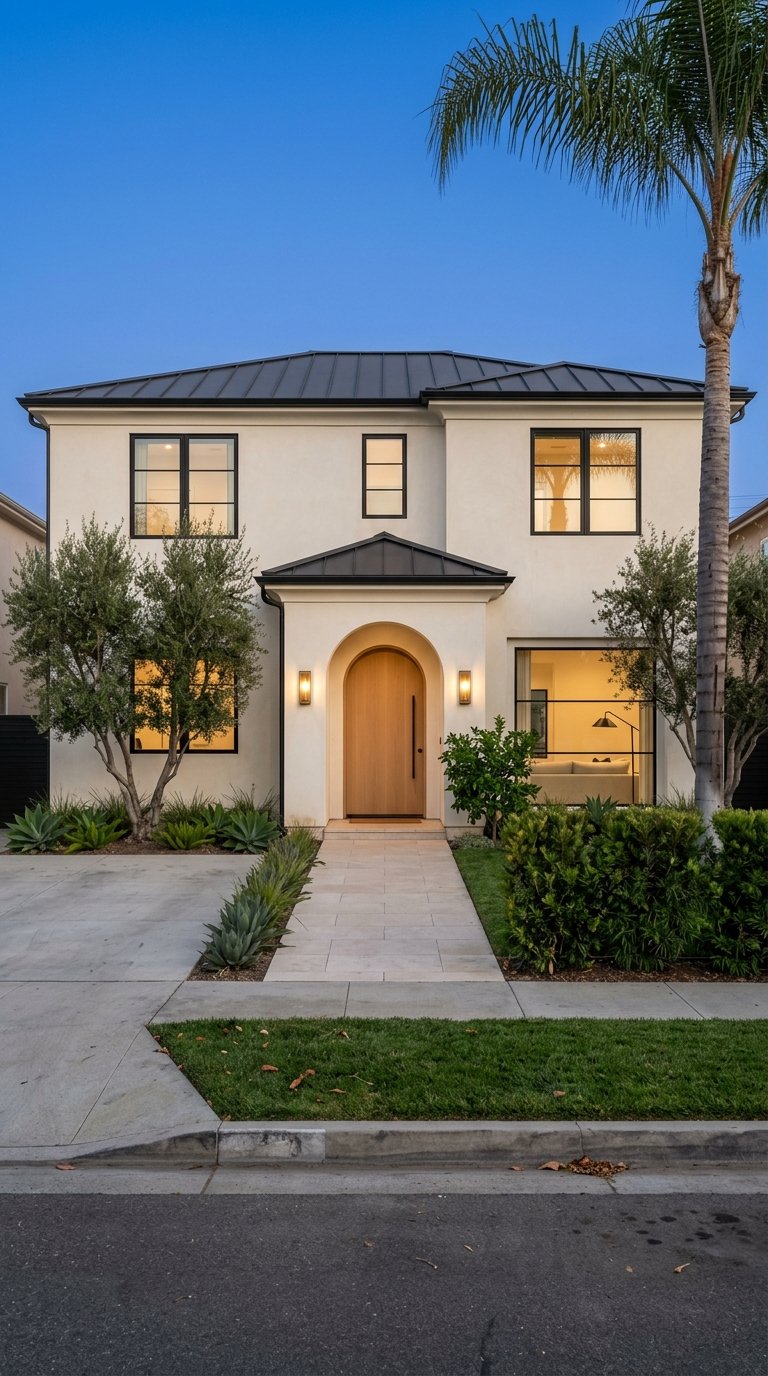
If you are trying to time a move in Valley Village, the next three years will likely reward strategy more than speed. This is not a market that looks overheated, and it is not one that appears to be slipping fast either. Instead, the data point to a market that is settling into a more balanced rhythm, with modest price growth, selective buyer demand, and real consequences for pricing and presentation. Let’s dive in.
Where Valley Village stands now
Valley Village is sitting close to the middle of the market spectrum. Public housing trackers describe it as either balanced or somewhat competitive, which sounds different on the surface but tells a similar story in practice. Buyers have more room to compare options than they would in a true seller frenzy, while sellers can still succeed when their homes are priced and presented well.
Current numbers support that view. A Q1 2026 market update showed a median sales price of $1.37 million, 33 closed sales, 34 active listings, and 44 average days on market. Compared with the same quarter a year earlier, sales were down 11%, inventory was up 26%, and days on market were down 21%.
March 2026 snapshots from public portals show a similar market, though with slightly different figures depending on methodology. Redfin reported a median sale price of $1,305,500, 40 homes sold, 74 median days on market, and a 98.4% sale-to-list ratio. Realtor.com showed 65 active homes for sale, a median listing price of $1.30 million, and homes selling for about 2.14% below asking on average.
Supply is rising, not surging
One of the clearest signals in Valley Village is that inventory has increased without turning into a flood. Using Q1 2026 figures of 34 active homes and 33 closed sales, the neighborhood had about 3.1 months of supply. That is still relatively tight, but it is much closer to balance than the sharp seller conditions many homeowners remember from earlier years.
This matters because market tone often shifts before prices do. In Valley Village, fewer new listings came to market year over year, down 29%, yet total inventory still rose 26%. That pattern suggests normalization, not distress.
In simple terms, homes are still trading, but the market is giving buyers more breathing room. That usually means pricing discipline matters more, and homes that miss the mark can sit longer.
What the price data really means
Price headlines can be helpful, but they do not tell the whole story on their own. In Valley Village, median prices remain relatively steady, yet price per square foot tells a more nuanced story. Redfin’s sold data showed $608 per square foot in March 2026, while Realtor.com’s active listing data showed $678 per square foot.
That gap suggests many sellers are still aiming high, while the homes that actually close are often doing so at softer numbers. It does not mean values are falling across the board. It means buyers are paying closer attention to condition, upgrades, and whether a home feels aligned with the asking price.
Sale-to-list ratios reinforce that point. With homes closing around 97% to 98.4% of asking on average, the market still supports strong pricing when a property is compelling. But buyers appear willing to negotiate when a home feels dated, overpriced, or slower to attract interest.
Why mid-market activity matters
Most of Valley Village’s recent closed sales have been concentrated in the $1 million to $3 million range. In Q1 2026, 57.6% of closings landed in that band, while 36.4% were under $1 million and only 6.1% fell between $3 million and $5 million. That tells you the neighborhood’s market direction is being shaped more by mid-market demand than by a large luxury pipeline.
For buyers, that means competition may remain strongest for homes that are well-updated and reasonably positioned within the core price bands. For sellers, it means broad market momentum is less likely to come from a wave of top-end transactions. The center of the market is doing most of the work.
This is an important distinction if you are evaluating a high-end home or a design-forward property. A standout home can still perform very well, but it may need more intentional positioning to separate itself from the broader pool.
The three-year outlook for 2026 to 2028
The most reasonable outlook for Valley Village is steady, modest growth rather than a dramatic jump in values. Forecasts for the broader region and state point in that direction. Realtor.com expects Los Angeles-Long Beach-Anaheim home sales and prices to rise 1.8% in 2026, while the California Association of Realtors expects California existing single-family sales to rise 2% and the statewide median price to rise 3.6%.
Mortgage rates remain a major part of the story. Realtor.com forecast an average 30-year mortgage rate of 6.3% in 2026, while Fannie Mae projected rates near 6.0% in both 2026 and 2027. Freddie Mac’s weekly reading came in at 6.37% as of May 7, 2026, which shows borrowing costs are still elevated compared with the pre-pandemic period.
That rate environment tends to keep both buyers and sellers cautious. It can slow demand at the margins, but it also limits inventory because many existing owners are holding mortgages below 6% and may be reluctant to move. When supply stays contained and demand remains selective, price growth often continues, just at a slower pace.
Affordability will likely cap acceleration
One of the biggest reasons to expect moderation instead of a sharp surge is affordability. In Q2 2025, only 14% of Los Angeles metro households could afford the median-priced single-family home, and the minimum qualifying income was $218,400. That is a meaningful constraint on how quickly demand can expand.
For Valley Village, this likely means buyers will remain price-sensitive even if inventory stays relatively limited. Homes that are turnkey, thoughtfully updated, or unusually well-located within the neighborhood may continue to attract strong interest. Homes that need work or are priced aspirationally may face more negotiation and longer marketing times.
In other words, affordability does not necessarily point to falling prices. It points to a market where buyers are careful, comparison-driven, and more selective about value.
What buyers should watch
If you are planning to buy in Valley Village over the next few years, the market may offer more flexibility than it did during the most competitive cycle. You may have room to negotiate, especially on homes that have been sitting or need updating. At the same time, the best properties can still move quickly and sell at or above list.
A smart buying approach in this kind of market includes a few basics:
- Watch days on market closely, not just list price
- Compare sold price per square foot with active listing price per square foot
- Pay attention to condition, not just size
- Be prepared to act quickly on homes that are turnkey and well-priced
- Expect some negotiation room, but not deep discounts across the board
This is where local pattern recognition matters. In a balanced market, not every listing deserves the same strategy.
What sellers should expect
If you are thinking about selling, the next three years may be less about catching a dramatic appreciation wave and more about execution. Current data suggest buyers are still willing to pay near asking for the right home. The key phrase is the right home.
That usually means a property that feels move-in ready, shows well, and enters the market with pricing that reflects current buyer expectations. If your home is dated or highly customized, you may still achieve a strong result, but the path may require sharper positioning and more patience.
For many Valley Village sellers, success will likely come from getting the launch right:
- Price close to the market from day one
- Prioritize presentation and pre-listing preparation
- Expect buyers to notice deferred maintenance
- Use early feedback to adjust quickly if needed
- Understand that homes can still sell near ask, but not by default
A practical reading of the next 3 years
Taken together, the data suggest Valley Village is moving through a stabilization phase with room for modest appreciation. Inventory is higher than a year ago, but not excessive. Buyers have more negotiating power than in a true seller’s market, yet sellers still have leverage when the product is strong.
A reasonable three-year expectation is low-single-digit annual appreciation, steadier marketing times than in the past, and a wider performance gap between turnkey homes and properties that need work. That is not a market to fear. It is a market to read carefully.
For clients considering a sale, purchase, lease transition, or a more discreet move within the Los Angeles market, that kind of environment often favors thoughtful planning over reactive timing. If you want tailored guidance on how Valley Village fits into your broader real estate goals, LA Luxuries offers advisory-led support with a polished, strategic approach.
FAQs
Is Valley Village a buyer’s market or seller’s market in 2026?
- Valley Village appears to be near balanced, with some sources calling it balanced and others calling it somewhat competitive.
Will Valley Village home prices fall in the next three years?
- Current regional and statewide forecasts point to modest price growth rather than a broad decline, so a slow upward trend is more likely than a sharp drop.
What does months of supply mean for Valley Village homes?
- Months of supply measures how long current inventory would last at the recent sales pace, and Valley Village’s roughly 3.1 months suggests a market that is tighter than fully neutral but no longer in a frenzy.
How much negotiation room do Valley Village buyers have?
- Buyers may have some room to negotiate, especially on overpriced, dated, or slower-moving homes, though strong listings can still sell close to or above asking.
What matters most for Valley Village sellers right now?
- Accurate pricing, strong presentation, and move-in-ready condition matter most because buyers are still active but more selective about value.
How should Valley Village buyers read price per square foot?
- Price per square foot is best used as a market-temperature signal alongside condition, layout, and recent comparable sales, not as a standalone rule for value.
What is the likely Valley Village real estate outlook through 2028?
- The most likely outlook is modest appreciation, stable to slightly longer marketing times, and more price sensitivity for homes that are not turnkey.