By LA Luxuries
Beverly Hills is home to some of the most architecturally notable residential properties in the country. From Spanish Colonial Revival estates built in the 1920s to mid-century modern masterpieces and Regency-style mansions with decades of provenance, owning a historic home here places you in rare company. These properties carry a gravitas that new construction simply cannot replicate; the features, the history, the bones of a home that has stood through a century of change are part of what makes them so compelling to discerning buyers.
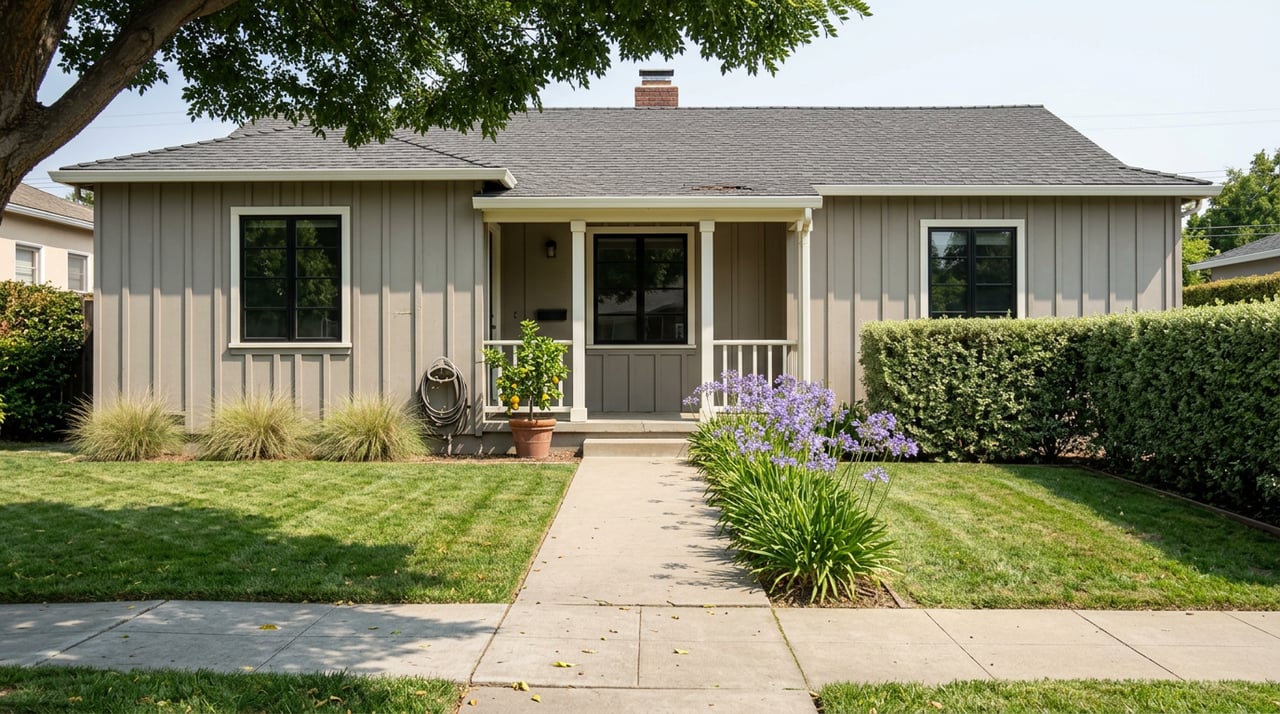
But historic homeownership in Beverly Hills is a different proposition than buying a newly built estate. The rewards are significant, and so are the responsibilities. Understanding what goes into maintaining a historic property before you purchase is essential to protecting both its condition and its long-term value. Whether you are drawn to a 1930s Tudor in The Flats, a Spanish Revival, or a classic California Ranch, the maintenance considerations are distinct and worth understanding in depth.
Key Takeaways
- Historic homes in Beverly Hills often require specialized materials and contractors to maintain authenticity and meet preservation standards.
- Certain renovations may be subject to review or approval by local historic preservation bodies, depending on the property's designation status.
- Deferred maintenance on older systems can compound quickly; proactive inspection schedules are essential for protecting your investment.
- The right improvements can enhance both livability and value without compromising the architectural integrity that makes these properties remarkable.
Understanding the Architectural Character You're Preserving
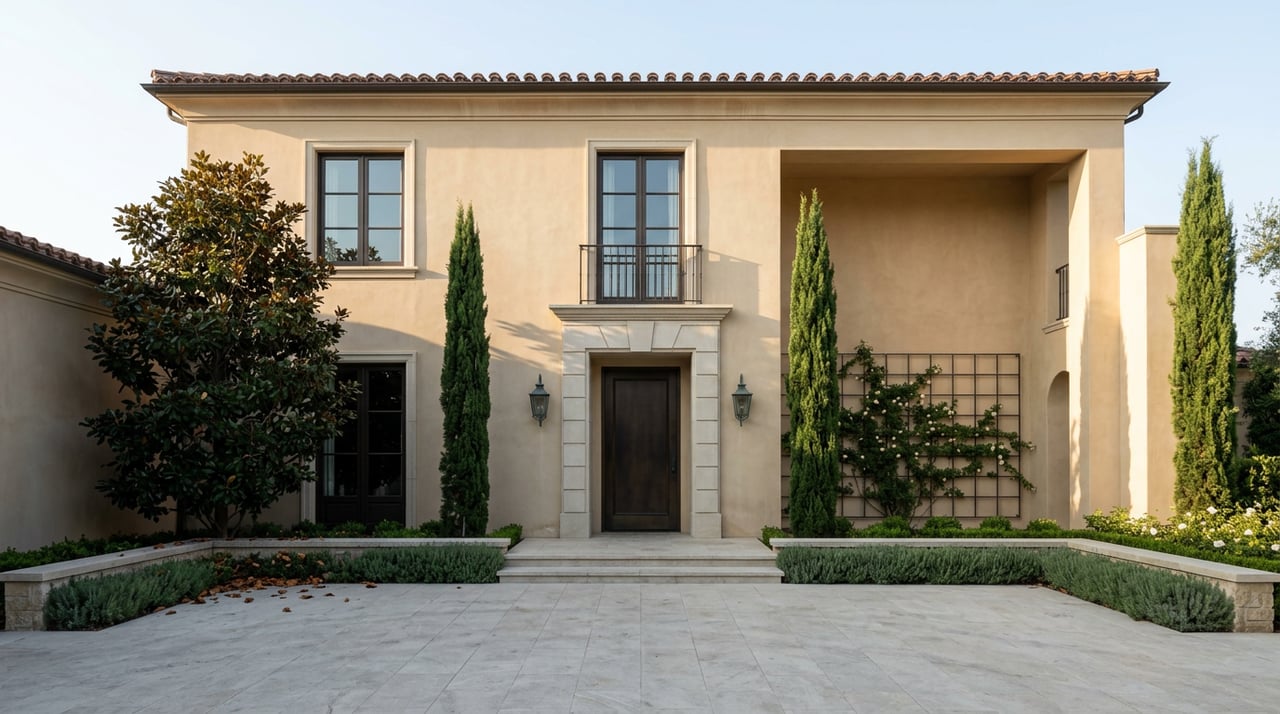
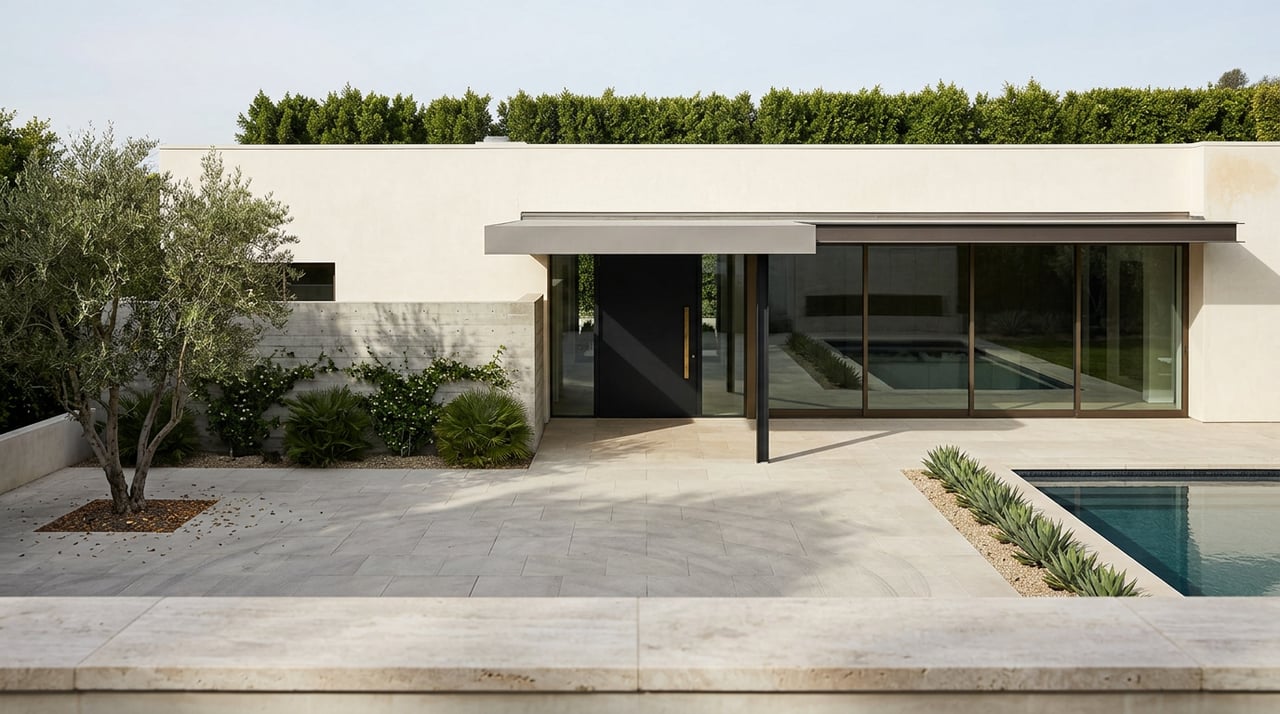
The first step in maintaining a historic home is understanding what makes it historically significant. In Beverly Hills, this varies considerably by era and style. A 1920s Spanish Colonial Revival will have original clay tile roofing, stucco exteriors, arched doorways, and wrought iron detailing. A mid-century modern home may rely on its rooflines, clerestory windows, and open-plan layout for its notoriety. Knowing which features define your property's character is the foundation of every maintenance and renovation decision you will make.
Many buyers underestimate how much of a home's historic value is tied to its original materials. Replacing original wood windows with modern vinyl, for example, or covering original hardwood floors with contemporary tile, can diminish both the character and the appraised value of the property.
A detailed inspection by a contractor who specializes in historic construction is one of the most valuable steps you can take early in ownership. Standard home inspectors are trained to assess current building code compliance, but evaluating original plaster, period-correct roofing materials, or vintage electrical systems requires a different level of expertise.
Key Features to Document and Protect
- Original millwork, including crown moldings, built-ins, and decorative woodwork that cannot easily be replicated.
- Period roofing materials, such as clay tile or slate, which require specific repair methods and sourcing.
- Vintage plumbing and mechanical systems, which may need upgrading but should be assessed before replacement to understand what can be preserved.
- Original windows and glazing, which are often repairable rather than replaceable and contribute to the home's character.
- Exterior finishes and facades, which in designated properties may require approval for any modification.
Navigating Beverly Hills Historic Preservation Guidelines
Beverly Hills has a formal historic preservation program, and properties listed on the city's Historic Resources Survey or designated as Historic Landmarks may be subject to additional review for exterior alterations. If you are considering purchasing a designated property, understanding the scope of those guidelines before closing is important.
The City of Beverly Hills requires a Certificate of Appropriateness for certain exterior changes to designated landmarks. This process involves submitting proposed changes to the Historic Preservation Commission for review and ensuring that alterations are consistent with the Secretary of the Interior's Standards for Rehabilitation, which is the national framework used for historic preservation work. The review applies primarily to changes visible from the public right-of-way, so interior renovations typically proceed without restriction.
The guidelines exist to protect the character of properties that contribute to Beverly Hills' architectural legacy, and in practice, most thoughtful renovations can be accomplished within them. Working with an architect who is experienced in historic preservation makes the process much more straightforward, and many improvements that enhance livability, including updated kitchens and baths, can be accomplished without conflict.
What the Historic Preservation Review Process May Cover
- Exterior paint colors and materials, particularly on facade surfaces.
- Window replacements or additions, including changes to window style, size, or glazing.
- Roof material changes, particularly on visible slopes or street-facing elements.
- Additions or new structures on the property that are visible from the street.
- Demolition or removal of character-defining architectural features.
Maintenance Priorities for Older Homes in Beverly Hills
Beyond preservation guidelines, the practical reality of maintaining a historic home involves staying ahead of systems and materials that have simply aged. Beverly Hills' mild climate is forgiving in many ways, but it does not eliminate the need for attentive upkeep. The dry season, occasional Santa Ana winds, and periodic heavy rain events all affect older properties.
Roofing is one of the most important maintenance categories for historic homes. Original clay tile roofs are durable but not indestructible; cracked or shifted tiles allow moisture intrusion that can affect the underlying structure over time. A thorough annual inspection, ideally after the rainy season, is a sound practice. If your property has a flat roof or mixed roofline, those transitions between roofing systems deserve particular attention.
Foundation and drainage are equally critical in older Beverly Hills homes, particularly those on hillside lots. Historic foundations may predate modern engineering standards and can shift or settle over decades. Proper drainage management, grading, and periodic structural assessment help catch issues. Many historic homes also have older irrigation systems, retaining walls, and hardscaping that require their own maintenance schedules.
Ongoing Maintenance Areas to Budget For
- Annual roof inspections and tile repair on clay or slate roofs, handled by a contractor familiar with period materials.
- Foundation assessments every few years, particularly for hillside properties or homes with known drainage modifications.
- Plaster wall and ceiling repair, which differs from drywall work and requires a plasterer with period-correct technique.
- Chimney and fireplace maintenance, as many historic Beverly Hills homes have original masonry fireplaces that need periodic inspection and repointing.
- Wood window maintenance and glazing repair, which, when done regularly, extends the lifespan of original windows.
Modernizing Without Compromising Authenticity
One of the most common concerns among buyers considering a historic home in Beverly Hills is whether they can bring the property up to a contemporary standard of livability without sacrificing what makes it special. The answer is yes — with the right approach.
The guiding principle is that system updates and interior modernization rarely compromise historic character. Replacing the electrical panel, upgrading the HVAC, adding radiant floor heating beneath original tile, and integrating home automation through concealed infrastructure are all achievable without impacting the architectural fabric of the home.
Where buyers sometimes go wrong is in making surface-level changes that are highly visible and difficult to reverse. Altering original facades, covering or removing original flooring, changing period-correct windows for contemporary profiles, or adding exterior elements that are inconsistent with the home's era can erode the character and value of the property. The renovation approach that protects your investment is one that treats original materials as assets to be maintained and enhanced, not obstacles to be replaced.
Modernization Projects That Work Well in Historic Homes
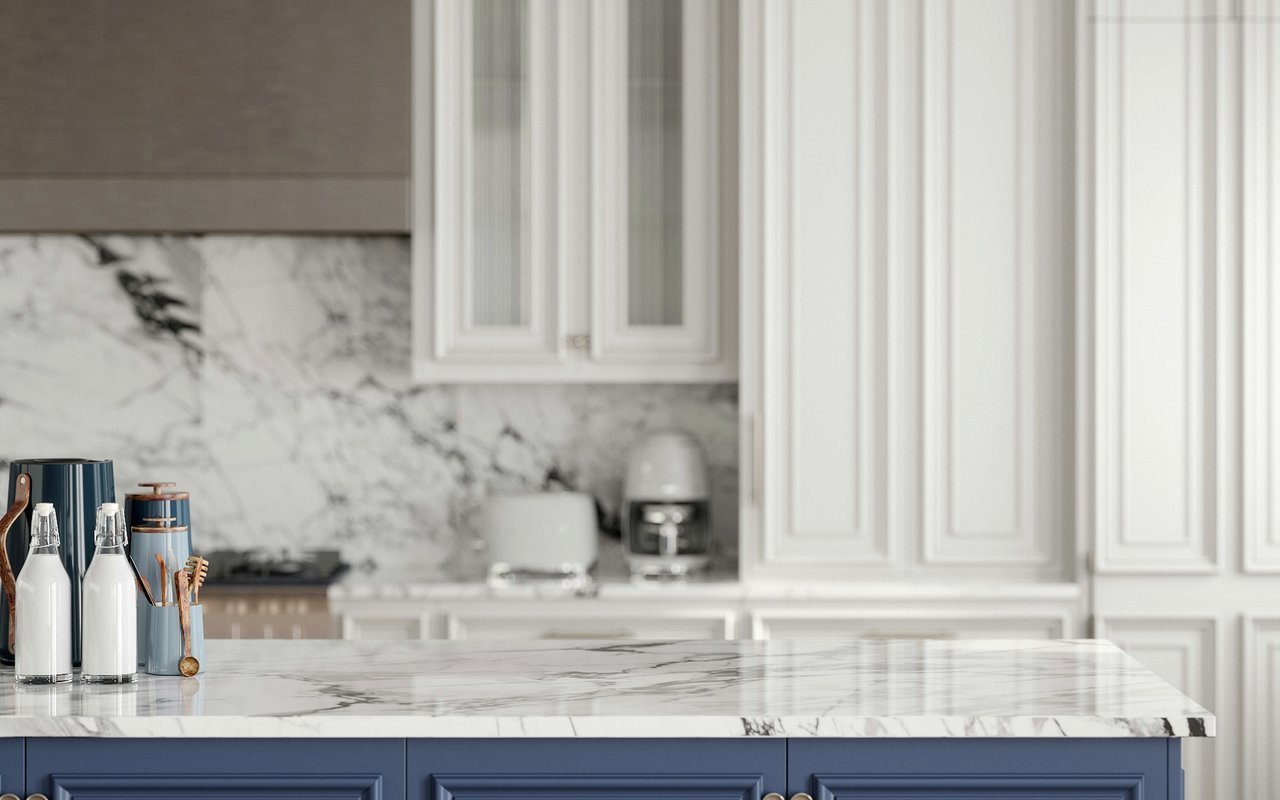
- Full kitchen and bath renovations that respect the home's scale and aesthetic while introducing contemporary functionality.
- HVAC system replacement using modern, high-efficiency equipment routed through existing duct pathways or concealed new pathways.
- Lighting design that enhances architectural features while integrating contemporary fixtures.
- Pool and landscape renovations that bring outdoor living up to current standards while respecting the property's original siting.
- Integrated technology infrastructure, including audiovisual systems, climate control, and motorized window treatments, without visible surface impact.
FAQs
What Kind of Contractor Should I Hire for a Historic Home in Beverly Hills?
Look for contractors with documented experience in historic restoration or rehabilitation, not just general construction. The skills involved in replicating original plaster work, sourcing period-correct roofing materials, or repairing vintage windows are specific. Architects and contractors who work regularly in the Beverly Hills historic market will have the vendor relationships and technical knowledge your property requires.
Do All Historic Homes in Beverly Hills Require Preservation Approval for Renovations?
Not all older homes in Beverly Hills carry a formal historic designation. Properties must be listed on the Beverly Hills Historic Resources Survey or individually designated as Historic Landmarks to be subject to restrictions. Many older homes are architecturally significant without being officially designated, meaning their renovation is guided by owner preference and proper judgment rather than formal review.
Owning History Is a Long Game Worth Playing
Maintaining a historic home in Beverly Hills is not a passive endeavor, but it is one that rewards careful stewardship over time. Properties that have been thoughtfully maintained and sensitively updated tend to hold their value with particular resilience, and in a market where architectural pedigree is part of what buyers are paying for, integrity of character is a genuine asset.
Our team at LA Luxuries specializes in Beverly Hills real estate and understands the full scope of what ownership entails. If you are exploring the historic estate market or want guidance on evaluating a property's condition and potential, connect with us — we are here to help you make a well-informed investment and enjoy every aspect of owning a home with a legacy.