By LA Luxuries
Lighting is one of the most underrated tools you have for changing how a space looks and feels. You can keep your furniture, your paint colors, and your layout exactly as they are but then completely shift the ambiance of a room simply by rethinking how it is lit. In a Beverly Hills home, where architecture leans toward dramatic ceilings, expansive windows, and beautiful open living areas, lighting becomes even more important because there is so much volume and detail to showcase.
The right lighting plan draws attention to the features you love, softens the corners you would rather downplay, and creates an atmosphere that feels intentional from the moment you walk in. Whether you are preparing to sell, settling into a new property, or simply ready to refresh a room you have lived in for years, a smart approach to lighting can make your living space feel more expansive, warmer, and far more polished.
This guide will walk you through how to layer light, choose the right fixtures, and use both natural and artificial sources to transform your living space. The goal is a home that feels considered in every room, with light working quietly in the background to make everything else look its best.
Key Takeaways
- Layering ambient, task, and accent lighting gives a room depth and flexibility that a single overhead fixture cannot provide.
- Color temperature shapes mood, so warmer tones suit living areas while cooler tones work better in spaces meant for focus.
- Natural light is a defining feature of many Beverly Hills homes, and arranging a room around it amplifies both space and value.
- Dimmers and adjustable fixtures let you adapt one room to many uses throughout the day and evening.
- Statement fixtures double as design elements, anchoring a room while adding personality and architectural interest.
Layer Your Lighting for Depth and Flexibility
The single biggest upgrade you can make to any living space is moving away from one overhead light and toward a layered approach. Designers think about lighting in three layers: ambient light that fills the room, task light that helps you accomplish specific tasks, and accent light that emphasizes certain features. When all three components work together, a room gains dimension and feels far more sophisticated than a space lit by a single source.
Ambient lighting is your foundation. This is the general illumination that lets you move through a room comfortably, often coming from recessed ceiling fixtures, a central pendant, or a chandelier. Task lighting comes next, focused on the areas where you read, cook, or work, such as a floor lamp beside a reading chair or pendants over a kitchen island. Accent lighting is the finishing touch, drawing the eye toward artwork, architectural details, or a gorgeous built-in shelf.
In expansive Beverly Hills living rooms, layering is especially valuable because open spaces can feel flat or cavernous when merely lit from above alone. By adding lamps at different heights and directing light toward specific features, you can create pools of warmth that make even a grand room feel inviting and intentional.
How To Build Your Layers
- Start with ambient light that covers the whole room evenly, then add other layers on top of it.
- Place task lighting wherever you regularly read, work, or prepare food, so the function is supported directly.
- Use accent lighting to focus on a fireplace, a piece of art, or a textured wall that deserves attention.
- Vary the height of your light sources, including table lamps, floor lamps, and overhead fixtures, for a balanced effect.
- Keep a consistent style across layers, so the fixtures feel like part of one cohesive plan.
Choose the Right Color Temperature for Each Room
Color temperature, measured in Kelvin, describes whether a light appears warm and golden or cool and crisp. It has a powerful effect on how a room feels, and choosing the wrong temperature can undercut even the most stunning interior design. Warmer light, in the range of 2,700 to 3,000 Kelvin, casts a soft, relaxing glow that flatters skin tones and makes living areas feel comfortable. Cooler light, closer to 3,500 to 4,000 Kelvin, feels brighter and more energizing, which suits spaces where you need to concentrate.
In your living room, bedroom, and dining area, warmer tones almost always create the most welcoming result. These are the rooms where you unwind, entertain, and relax, so the light should feel gentle rather than clinical. In a home office, kitchen workspace, or bathroom vanity, slightly cooler light helps you see details clearly and stay alert.
Consistency matters here. When one room mixes warm and cool bulbs, the effect can feel disjointed and even a little uncomfortable. Take a moment to check the bulbs you already own, since swapping a handful of mismatched ones for a consistent temperature is one of the simplest ways to make a space feel more refined.
What To Consider When Selecting Bulbs
- Match the color temperature to the purpose of the room, choosing warm tones for relaxation and cooler tones for focus.
- Keep all bulbs within a single room at the same temperature for a cohesive look.
- Look at the lumens, which measure brightness, separately from color temperature when comparing bulbs.
- Choose bulbs with a high color rendering index, so colors and finishes in the room appear true and rich.
- Test a single bulb before replacing an entire room, since the effect can look different once installed.
Make the Most of Natural Light
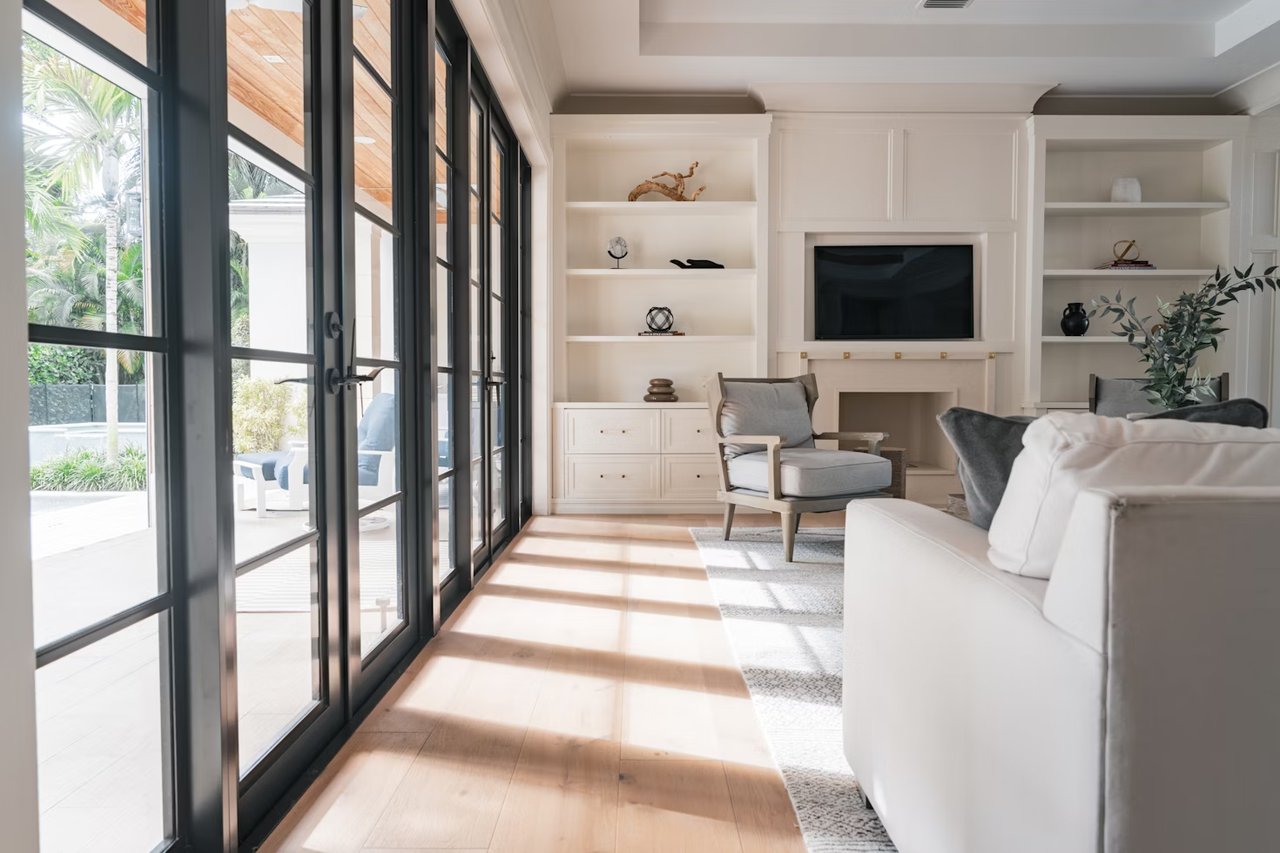
Homes in Beverly Hills are designed to capture the shimmering California sunlight, with oversized windows, glass doors, and rooms that open toward gardens and views. Natural light is one of the most desirable features a home can have, and arranging your living space to celebrate it pays off in both daily comfort and lasting appeal. Buyers consistently respond to bright, sun-filled interiors, so showcasing this quality is always worthwhile.
Start by keeping window treatments light and unobtrusive. Sheer panels, simple shades, and uncovered windows let daylight pour in while still giving you control when you want it. Heavy, dark drapery can swallow light and make even a spacious room feel smaller, so opt for materials that filter rather than block the sun.
Mirrors are another reliable tool for amplifying natural light. Positioning a large mirror across from a window bounces daylight deeper into the room and can make a space feel noticeably more inviting and expansive. Glossy finishes, light-colored walls, and reflective surfaces all help carry sunlight through the room, so the brightness extends well beyond the windows themselves.
How To Maximize Daylight
- Choose sheer or light window treatments that let sunlight through while preserving privacy when needed.
- Place mirrors opposite the windows to reflect daylight and create the impression of more space.
- Keep window areas clear of bulky furniture that blocks the path of incoming light.
- Use light, reflective wall colors that carry brightness around the room.
- Clean your windows regularly so that the glass stays clear and the light remains uninterrupted.
Let Fixtures Become Part of the Design
Lighting fixtures are not only functional; they are some of the most expressive design elements in a home. A sculptural chandelier, a pair of elegant sconces, or an oversized pendant can anchor a room and give it personality before you add a single piece of furniture. In Beverly Hills interiors, where homeowners invest in distinctive design, a statement fixture can become a focal point that ties the whole room together.
When selecting fixtures, think about scale. A fixture that is too small will look lost in a room with high ceilings, while one that is oversized can overwhelm a more intimate space. The proportions of the fixture should relate to the size of the room and the furniture beneath it, creating a sense of balance that feels effortless.
Material and finish matter just as much as shape. Brushed brass, blackened metal, hand-blown glass, and natural materials each bring a different character to a space. Choosing finishes that echo other details in the room, such as cabinet hardware or a coffee table base, helps the lighting feel like part of a deliberate plan rather than an afterthought.
Top Considerations For Statement Fixtures
- Match the scale of the fixture to the size of the room and the furniture below it.
- Hang dining fixtures roughly 30 to 36 inches above the table surface for the right proportion.
- Coordinate finishes with other metals and materials in the room for a unified look.
- Install dimmers on statement fixtures, so you can shift the tone from bright to cozy.
- Treat the fixture as art, choosing a piece you would be happy to look at every day.
FAQs
What Is the Easiest Lighting Change That Makes the Biggest Difference?
Adding dimmers is often the single most transformative change you can make. Dimmers let one room serve many purposes, from bright and functional during the day to soft and relaxing in the evening. They are relatively affordable, work with most existing fixtures, and instantly give you more control over the atmosphere of a space.
How Many Light Sources Should a Living Room Have?
A well-lit living room usually has at least three to five distinct sources spread across the ambient, task, and accent layers. This might include recessed ceiling lights, a couple of table lamps, a floor lamp, and an accent light on art. The exact number depends on the size of the room, but the goal is always variety rather than a single overhead source.
Should Lighting Match Throughout the Whole Home?
Your lighting does not need to match perfectly from room to room, but it should feel connected. Carrying a consistent finish or a recurring style through your fixtures creates a sense of flow as you move throughout the home. Within any single room, keeping bulb color temperatures consistent is the most important rule to follow.
Does Updated Lighting Add Value to a Home?
Thoughtful lighting can meaningfully improve how a home shows, which matters when it comes time to sell. Bright, well-lit interiors photograph beautifully and feel more spacious in person, both of which appeal to buyers. Updated fixtures also signal that a home has been cared for and styled with intention, leaving a strong impression during showings.
Bring Your Beverly Hills Home to Life
Lighting has the rare ability to reshape a space without a major renovation, giving you a fresh, elevated feeling. By layering your light, choosing the right color temperatures, celebrating natural daylight, and treating fixtures as design statements, you can create a home that feels warm, refined, and unmistakably yours. The result is a living space that looks intentional from every angle.
If you are thinking about how lighting and design choices affect the value and appeal of your Beverly Hills property, we would love to help. Our team at LA Luxuries knows this market, and we guide homeowners through the design and presentation decisions that make a home shine, whether you are preparing to sell or simply want to love your space more. Reach out to us today, and let us help you bring out the very best in your home.