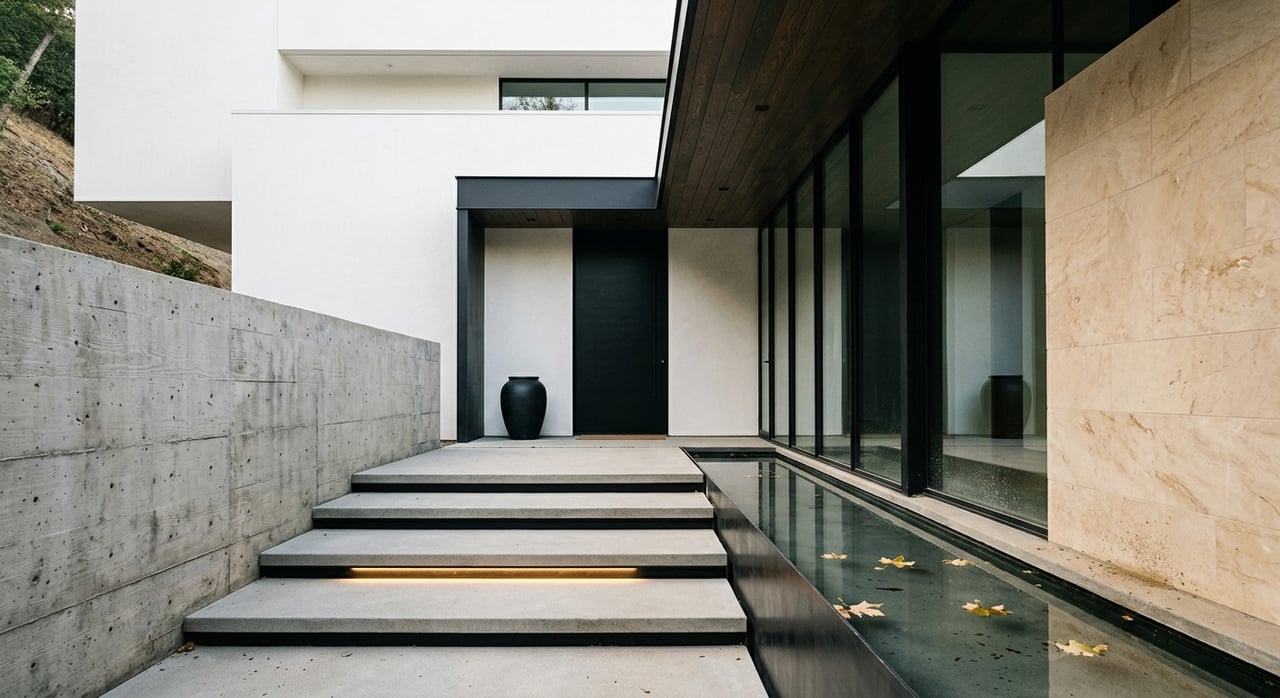
If you are drawn to sleek architecture, dramatic elevations, and city lights that seem to stretch forever, the Bird Streets likely already has your attention. This hillside pocket above the Sunset Strip offers a very specific version of Los Angeles living, one shaped as much by design and privacy as by winding roads and steep terrain. When you understand how the area really works, you can evaluate homes here with more clarity and confidence. Let’s dive in.
What Makes the Bird Streets Distinct
The Bird Streets is not just a catchy name for part of the Hollywood Hills. In Los Angeles planning records, it has been treated as a distinct project area, with boundaries generally described near Trousdale Estates and Beverly Hills to the west, Rising Glen Road and Sunset Plaza Drive to the east, Crescent Drive to the north, and West Hollywood to the south.
That definition matters because it helps explain why the neighborhood feels different from surrounding hillside areas. The Bird Streets is a tightly bounded micro-market, and its identity comes from both its location and its street pattern, with roads such as Blue Jay Way, Oriole, Nightingale, Thrasher, Skylark, Mockingbird, Robin, and Warbler helping define the area.
Modern Design Shapes the Neighborhood
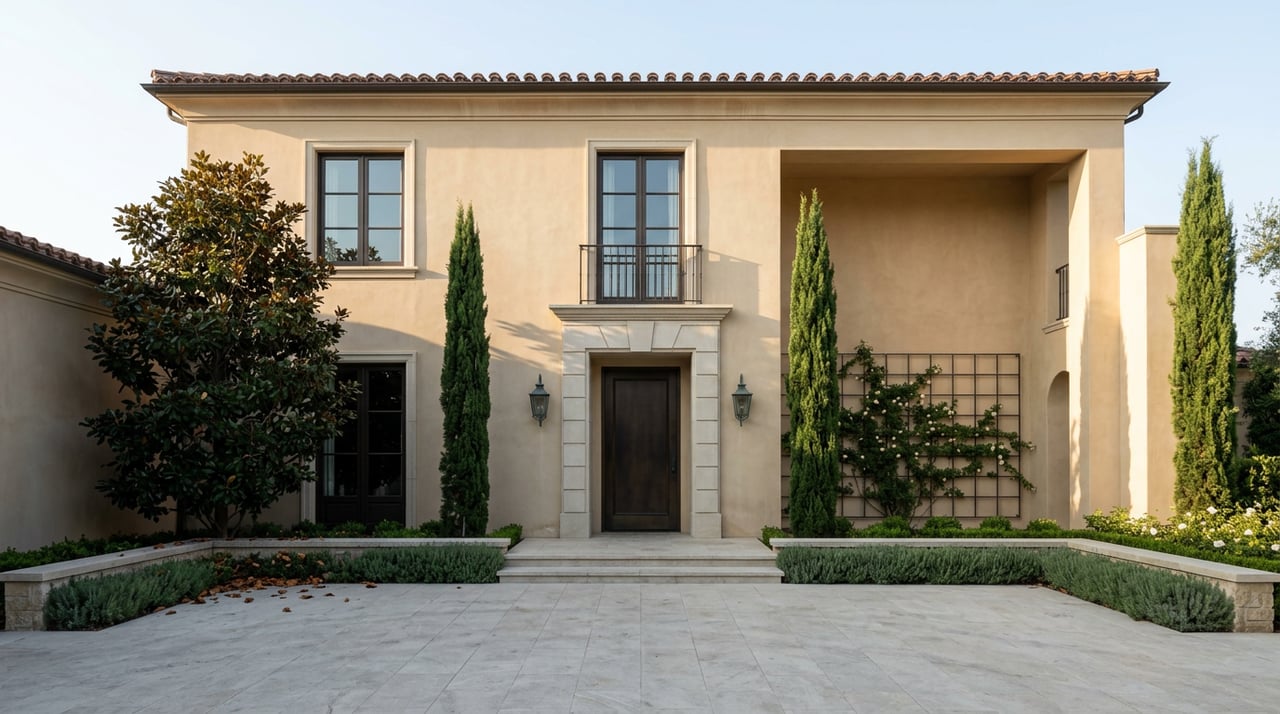
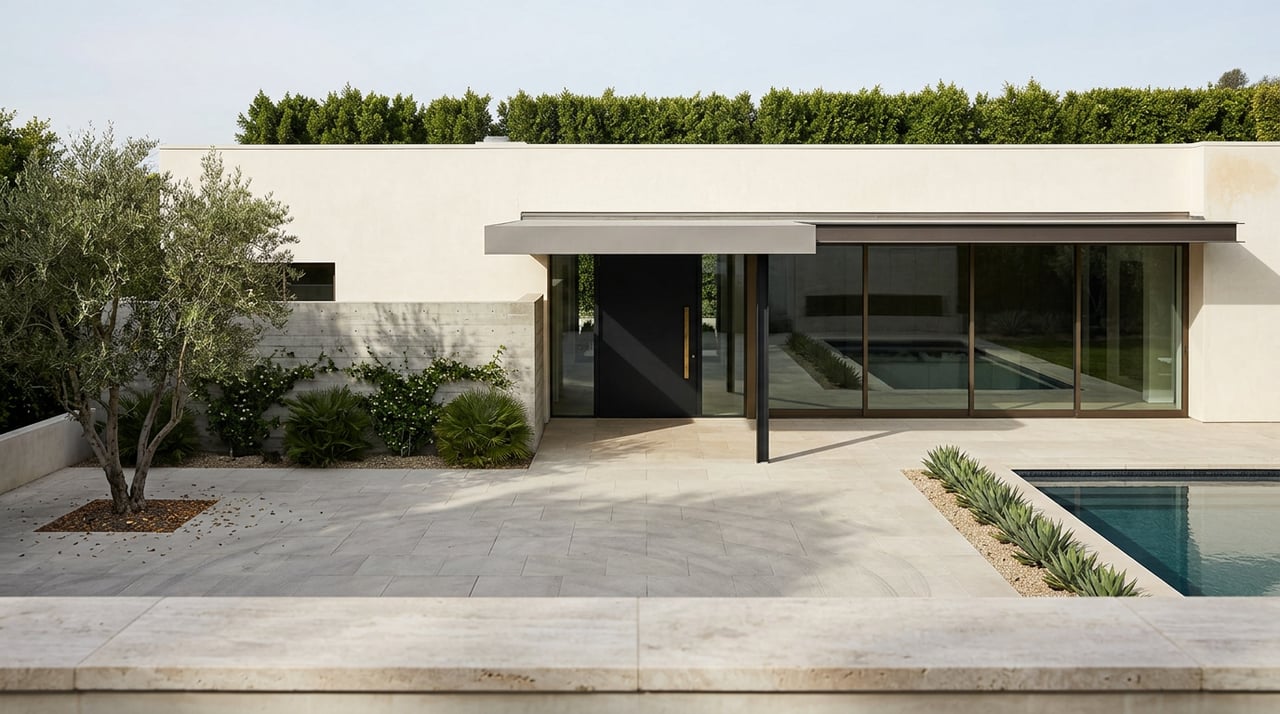
The Bird Streets is widely known for its modern hillside homes. Contemporary and modern properties dominate the current visual language, with many homes featuring open layouts, expansive glass, terraces, courtyards, and strong indoor-outdoor flow.
At the same time, the housing stock is not all brand new. Updated mid-century homes still appear in the mix, which gives the area a layered feel. You may see a newly built glass-and-stone estate on one street and a renovated architectural home on another.
This blend is part of the appeal. The neighborhood reads as both established and current, with homes often designed to respond directly to the slope, sunlight, and view orientation of each lot.
Why Architecture Matters Here
In flatter neighborhoods, square footage often leads the conversation. In the Bird Streets, design, siting, and lot relationship tend to matter just as much.
A well-positioned home can use elevation and layout to create stronger privacy, cleaner sightlines, and better indoor-outdoor circulation. That means two homes with similar size may live very differently depending on how they are placed on the hillside.
Views Are a Major Value Driver
One of the biggest reasons buyers focus on the Bird Streets is the view potential. Depending on the property, outlooks may include the city skyline, downtown, and even the Pacific Ocean on clear days.
Still, views in the Bird Streets are not automatic. They are highly lot-specific, and the premium usually comes down to orientation, elevation, and what sits in front of the house. A celebrated address does not guarantee the same view experience from every parcel.
What to Look For in a View Property
When you are evaluating a Bird Streets home, it helps to look beyond listing language and focus on the details that shape the actual experience:
- Front-facing orientation and rear-facing corridors
- Elevation relative to neighboring homes
- Potential obstructions in the current view line
- Terrace and window placement
- How main living spaces connect to the outlook
A home with a thoughtful floor plan and a clean view axis often feels more compelling than one that simply sits on a well-known street.
Privacy Comes From Siting, Not Sprawl
Privacy is a major part of the Bird Streets lifestyle, but it works differently here than it does in flatter estate neighborhoods. You are less likely to find privacy created by broad front lawns or deep setbacks in the conventional suburban sense.
Instead, privacy often comes from elevation, gates, controlled access, buffered entries, courtyards, and landscaping that separates the home from the street. In many Bird Streets properties, the design is doing the work of creating seclusion.
This is an important distinction if privacy is high on your list. A home can feel remarkably protected, but that feeling usually comes from architecture and siting rather than from lot width alone.
Daily Life in a Hillside Enclave
The Bird Streets offers a striking setting, but daily life here comes with practical considerations. The hillside road network plays a major role in how the neighborhood functions, and local planning material describes many streets in the area as narrow, often unpaved, and substandard even by hillside standards.
For you as a buyer or homeowner, that can affect more than just the drive home. Deliveries, guest parking, vendor scheduling, and construction access may all require more coordination than they would in a flatter, more conventional neighborhood.
What That Means Day to Day
Living in the Bird Streets often means planning ahead in ways that may not matter elsewhere. Common considerations include:
- Coordinating guest arrivals on narrow roads
- Thinking through parking logistics for gatherings
- Managing deliveries with limited street access
- Planning remodel work carefully
- Confirming contractor staging and access routes
None of this takes away from the appeal. It simply means the neighborhood rewards buyers who appreciate both the beauty and the realities of hillside ownership.
Building and Renovating Require Careful Due Diligence
In the Bird Streets, a great lot is not always a simple building opportunity. Los Angeles hillside development rules address issues such as grading, lot coverage, fire sprinklers, street access, and sewer connections, and the city states that no grading permit is issued until a building permit is approved.
That framework matters if you are considering a teardown, major remodel, or new construction plan. The city’s hillside oversight was also developed to help limit hauling and construction impacts in hillside areas, and Bird Streets was specifically added to that framework after officials cited concerns tied to larger homes on substandard streets, including landslides and water main breaks.
Key Questions to Ask Before You Buy
If you are purchasing with future changes in mind, start with practical due diligence:
- Does the street frontage support access needs?
- What grading or hauling constraints may apply?
- Will the scope of work require added review?
- How does the lot shape affect design feasibility?
- Does the property support the scale and layout you want?
In simple terms, teardown-and-rebuild potential depends on more than price and view. In the Bird Streets, access and permitting can be just as important as the land itself.
Wildfire Readiness Is Part of Ownership
Wildfire preparedness is part of life in hillside Los Angeles, and the Los Angeles Fire Department states that hillside communities remain under continuous threat of wildfire. For Bird Streets homeowners, that makes emergency planning part of everyday ownership rather than a once-a-year checklist.
Brush clearance, awareness of evacuation information, and maintaining good emergency access are all relevant here. If you are evaluating a home in the area, wildfire readiness should be part of your review alongside design, views, and privacy.
How Bird Streets Compares With Hollywood Hills
The Bird Streets sits within the broader Hollywood Hills West area, but it offers a more tightly defined experience. Compared with the larger hills, it is more consistently design-forward and more focused on a relatively small set of premium hillside lots.
That gives it a distinct identity. Rather than feeling like a broad hillside district with many different sub-areas, the Bird Streets functions more like a specialized enclave where topography, architecture, privacy expectations, and view value all intersect.
For many buyers, that combination is exactly the draw. You are not just buying into hillside Los Angeles. You are buying into a very specific version of it.
Who the Bird Streets Fits Best
The Bird Streets tends to appeal to buyers who want more than a luxury address. It suits those who value modern design, strong privacy, and a setting that feels elevated both literally and visually.
It can also work well for buyers who appreciate a more curated search process. Because the neighborhood is highly specific and each property differs so much by siting, view, and access, success here often comes from looking closely at fit rather than relying on broad assumptions.
If you are exploring the Bird Streets as a primary home, a Los Angeles base, or a design-led investment, it helps to work with a team that understands both the lifestyle side and the practical side of the enclave. For tailored guidance on Bird Streets homes, off-market opportunities, luxury leasing, and discreet representation, connect with LA Luxuries.
FAQs
What is the Bird Streets in Los Angeles?
- The Bird Streets is a distinct hillside pocket in Hollywood Hills West above the Sunset Strip, generally bounded by Beverly Hills and Trousdale Estates to the west, Rising Glen Road and Sunset Plaza Drive to the east, Crescent Drive to the north, and West Hollywood to the south.
Are most Bird Streets homes modern?
- Contemporary and modern homes define much of the neighborhood’s current look, though updated mid-century homes are still part of the housing mix.
Do all Bird Streets homes have great views?
- No. Views are highly property-specific and depend on factors such as lot orientation, elevation, and obstructions in front of the home.
Is the Bird Streets the same as Hollywood Hills?
- No. The Bird Streets is a smaller, more tightly defined enclave within the broader Hollywood Hills West area, with its own planning context and market identity.
What should buyers check first in the Bird Streets?
- Buyers should pay close attention to access, permit and grading feasibility, wildfire readiness, and whether the lot truly supports their design or renovation goals.