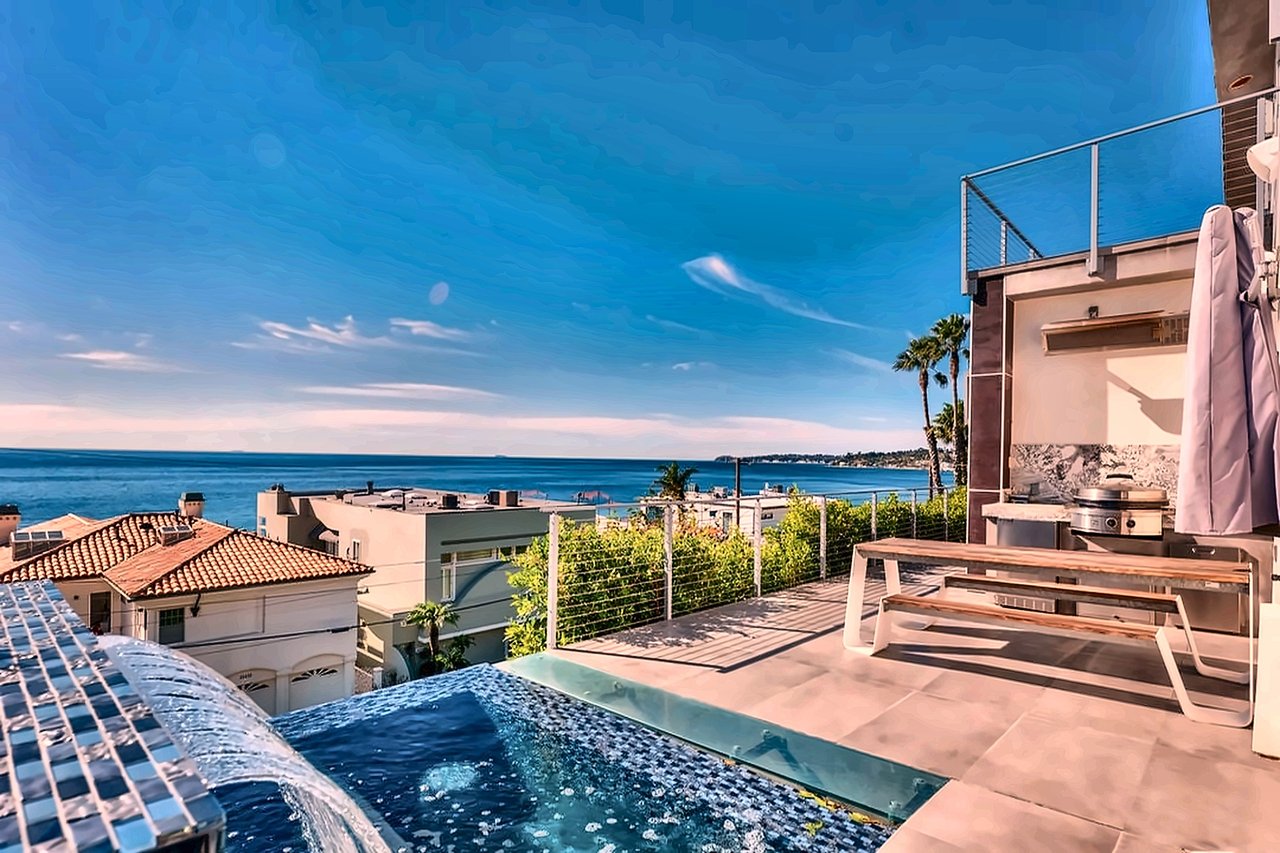
Malibu is about 25 miles of coastline, and almost no two stretches of it sell the same way. A home on the sand at Broad Beach, a bluff-top estate on Point Dume, and a view home above Malibu Road can share a ZIP code and still attract different buyers, carry different risks, and need a completely different pricing conversation.
If you are thinking about selling a luxury home in Malibu, the work starts long before the photos. Here is how I prepare Malibu sellers, from the permits that can stall an escrow to the view and beach-access details that move price.
In Malibu, a few feet of sand can matter more than thousands of square feet. In my own Malibu rental book, a 2,500 sq ft house on the sand in the Malibu Colony is priced around $135,000 a month, while a 6,400 sq ft home a short drive inland rents for about $25,000. You'd never see a spread like that between two homes in Beverly Hills or Bel Air, where size, finishes and the street drive the number. Owners who come from the Westside are often surprised that their square footage barely moves the price here. What moves it is the beach, the ocean view and how private the access is. That's why I price Malibu homes against true beach-for-beach or view-for-view comps, never just against a bigger house nearby.
Malibu Is Its Own City, and That Changes the Math
Malibu incorporated as a city in 1991, so it is not part of the City of Los Angeles. That matters at closing. Every sale in the county pays the Los Angeles County documentary transfer tax of $1.10 per $1,000, but Malibu does not add a city transfer tax on top, and the City of Los Angeles "mansion tax," Measure ULA, does not apply here. If you are comparing a Malibu sale with a Brentwood or Pacific Palisades sale, read what it costs to sell a luxury home in Los Angeles before you compare net proceeds. Always confirm the parcel's jurisdiction with escrow, because some homes with a Malibu mailing address sit in unincorporated county areas.
The Septic Permit Most Sellers Forget
Most Malibu homes run on an onsite wastewater treatment system, better known as a septic system, and the city ties it directly to a sale. Under the City of Malibu's septic operating permit program, an existing system needs an operating permit when the property is sold. That means an inspection by a City-registered inspector and a permit transfer application.
If the inspection finds the system needs repair or replacement, the sale doesn't have to die, but the timeline changes. The city can issue a certificate of inspection once the owner signs a compliance agreement with a repair schedule, and that agreement is recorded and binds the next owner. Buyers and their lenders read that document closely, so I want the inspection done before we list, not after we accept an offer.
The septic report is the document I see buyers and lenders slow down on most in Malibu. A system that needs work doesn't have to kill a deal, but finding out in escrow puts the seller on the back foot, because the buyer now has a repair schedule and a recorded compliance agreement to negotiate around. So I have Malibu sellers book the City-registered septic inspection, pull their permit history, and confirm any past additions were permitted before we ever go live. If something needs fixing, we either fix it or price it in up front, on our terms.
Coastal Rules Shape What a Buyer Thinks They Can Build
The entire City of Malibu sits inside California's coastal zone. Remodels, additions, and rebuilds are reviewed under Malibu's Local Coastal Program, and some decisions can be appealed to the California Coastal Commission. Buyers at this level are often paying for what the property could become: a larger guest house, a pool, a second story with a better view.
So when a seller tells me the lot "can easily take another 2,000 square feet," I ask for the paperwork. Prior permits, approved plans, and any recent coastal development permit history can be worth more in a negotiation than new paint. If the potential isn't documented, buyers price it as a risk, not an upside.
Views, Beach Access, and Why Comps Mislead
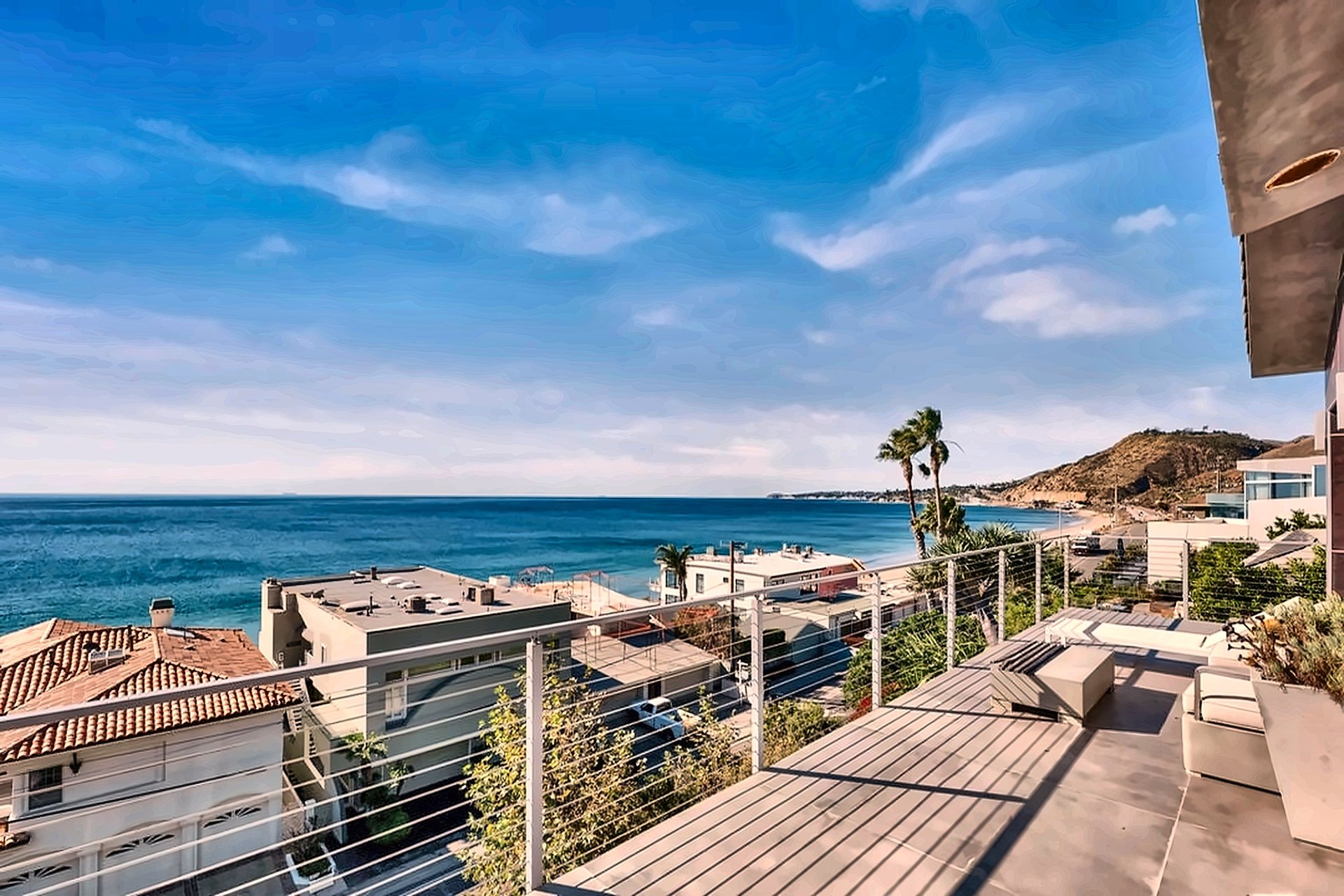
In Malibu, the house is only part of the price. Buyers pay for the view corridor, the quality of the beach, the privacy of the street, and how easy it is to reach the sand. Two homes of the same size a mile apart can be very different values.
Take a newly built Malibu Road home with whitewater views, currently offered for sale. It sits in a small enclave with easy beach access and looks across Santa Monica Bay toward Point Dume. Compare that with a 2.25-acre Point Dume estate currently offered for sale, where land and privacy lead the story, or a western Broad Beach home with 50 feet of beach frontage, where the sand itself is the asset. A simple price-per-square-foot comp across those three would tell you almost nothing.
I price Malibu from the closest true match: the same stretch of coast, the same kind of beach, a similar view corridor and similar access, then I adjust for permits, condition and build potential. The most common mistake I see is an owner comparing their home to a bigger house down the road without asking whether that house is on the sand, has a better beach or sees more ocean. My own rental book shows how wide that gap gets. Homes of very similar size in Malibu can be priced several times apart, and it's almost always the beach and the view doing the work.
Preparing a Malibu Home for Market
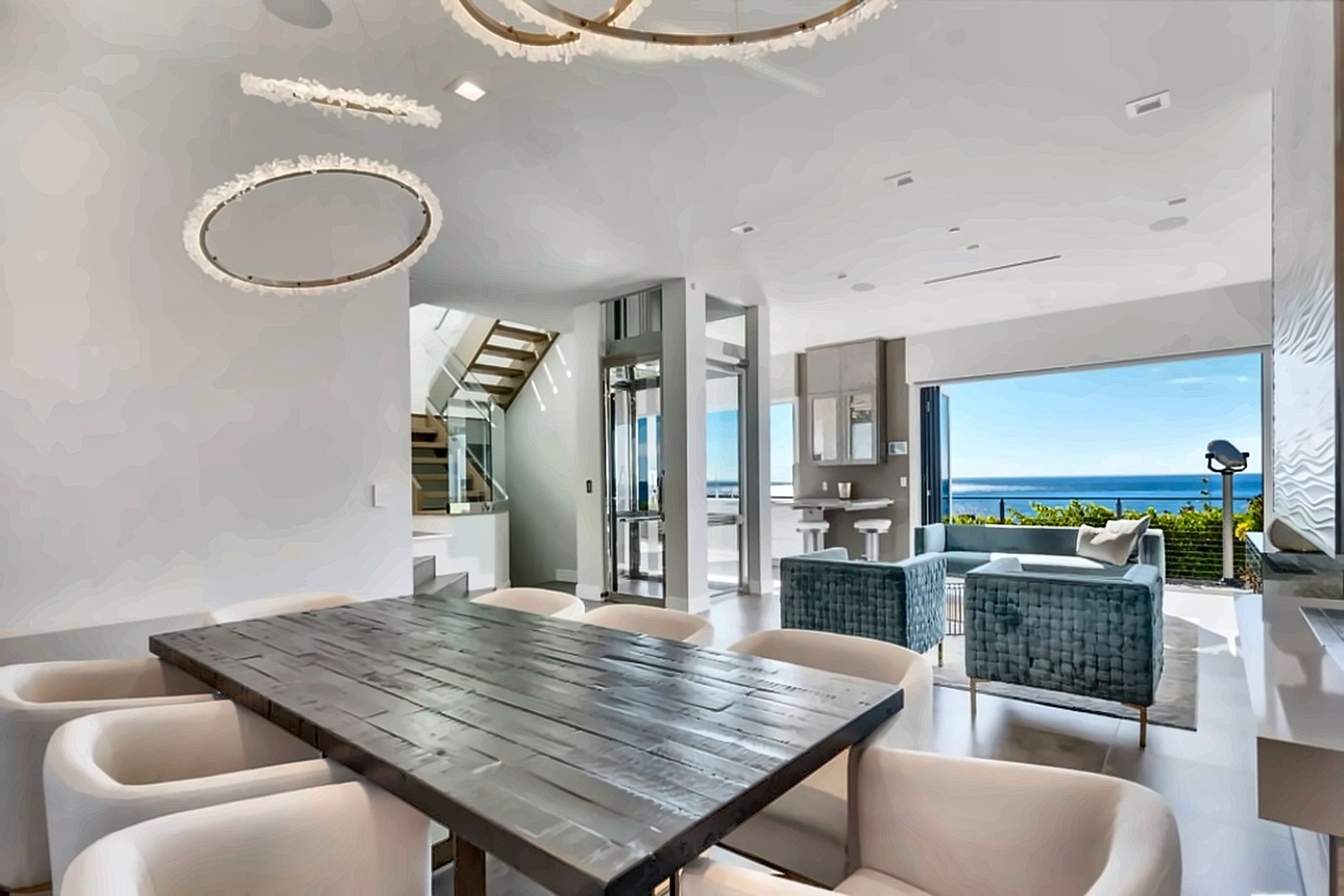
Salt air is hard on a house. Before photos, I look at the things coastal buyers and their inspectors always check: railings and glass on the ocean side, decks and stairs, window and door hardware, roof and drainage, and the septic report. Then we stage around the view. Furniture should point at the water, window coverings should disappear, and every ocean-facing room should be photographed at its best light.
Buyers today want to talk about fire and insurance first, then what the coastal rules let them build, then the septic. I tell sellers to have answers ready: their current insurance carrier and premium, any fire-hardening they've done, and their permit records. Before photos, the one thing I always have sellers fix is the ocean side of the house. Salt air wears down railings, glass, decks and hardware, and those are the first things a buyer's inspector looks at, and the first things you see in a view shot.

Choosing a Malibu Real Estate Agent
A good Malibu listing agent should be able to tell you, before you sign anything:
- Which stretch of coast your buyer is most likely shopping in, and what they are comparing you to.
- Whether your septic permit, coastal permit history, and any insurance questions are ready for a buyer's due diligence.
- How your view, beach access, and lot potential should affect price, with recent sales that actually match.
- Whether to sell now, rent out first, or offer the home both ways. If that's your question, start with whether to rent out or sell first.
In Malibu, a well-priced home with its paperwork ready moves noticeably faster than one that comes to market and then has to explain itself. Time on market follows price and preparation more than season. The most common mistake I see owners make when choosing an agent is going with whoever quotes the highest price. A high number that isn't backed by true beach-for-beach or view-for-view comps just means a longer wait and a price cut later. Ask every agent to show you the matching sales behind their number.
Frequently Asked Questions
Does Measure ULA apply to a home in Malibu?
No. Measure ULA is a City of Los Angeles tax, and the City of Malibu is a separate city. A Malibu sale pays the county documentary transfer tax. Confirm your parcel's jurisdiction with escrow, since some Malibu mailing addresses are in unincorporated county areas.
Do I need a septic inspection to sell my Malibu home?
In the City of Malibu, an existing septic system needs an operating permit when the property is sold, which starts with an inspection by a City-registered inspector. If repairs are needed, the city has a compliance agreement process. Start it before you list.
How do you price a Malibu home when every property is different?
I start with the closest true matches by stretch of coast, view, beach access, and lot, then adjust for permits, condition, and build potential. Square-foot averages across Malibu are rarely useful on their own.
Thinking About Selling in Malibu?
If you own on the coast and want an honest read on price, permits, and timing, ask me for a Malibu pricing consultation. I will tell you what your home is likely to sell for and what to fix first.
Jordan Pollack, LA Luxuries Estate Agency · 323.238.5225 · DRE 02010832
Permit and tax information is general and based on published City of Malibu and Los Angeles County sources as of October 2026. Confirm requirements for your property with the City of Malibu, your escrow officer, and your own advisors.