Welcome to Hollywood Hills, CA
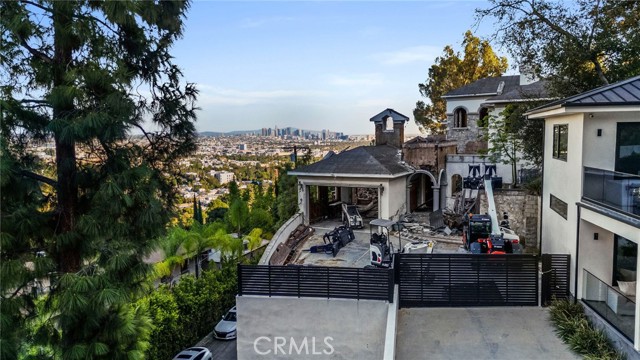
Hollywood Hills defines Southern California luxury living—a sprawling residential enclave carved into the Santa Monica Mountains where modernist glass boxes coexist with Spanish Revival estates and rock-and-roll history echoes through winding canyon roads. This is where entertainment industry executives, artists, and tech entrepreneurs pay premium prices for panoramic city views, immediate access to wilderness hiking, and the cachet of addresses made famous by decades of celebrity residents.
The neighborhood stretches along steep ridges and deep canyons from Griffith Park to the Beverly Hills border, physically separating Hollywood from the San Fernando Valley. Life here means navigating narrow, twisting streets to reach your hillside perch, then descending to the urban grid below for work and services. The appeal is straightforward: unmatched views, architectural significance, proximity to studios and entertainment venues, and the rare combination of privacy and centrality in Los Angeles.
History
The Hollywood Hills story begins with the 1923 "Hollywoodland" development in present-day Beachwood Canyon. Developers including Gen. M.H. Sherman and Los Angeles Times publisher Harry Chandler purchased 500 acres to create an upscale residential tract, erecting the massive "HOLLYWOODLAND" sign on Mt. Lee as a temporary advertisement. When the "LAND" portion was removed in 1949, the remaining letters became the iconic Hollywood Sign. Strict architectural guidelines required homes in specific styles: French Normandy, English Tudor, Spanish Colonial, or Mediterranean.
Before Hollywoodland, H.J. Whitley developed Whitley Heights in the late 1910s as Los Angeles's first celebrity enclave, attracting stars like Rudolph Valentino and Charlie Chaplin to its Mediterranean hillside villas. The 1920s brought Charles Toberman's Outpost Estates near Runyon Canyon, featuring Spanish-style mansions for the wealthy elite.
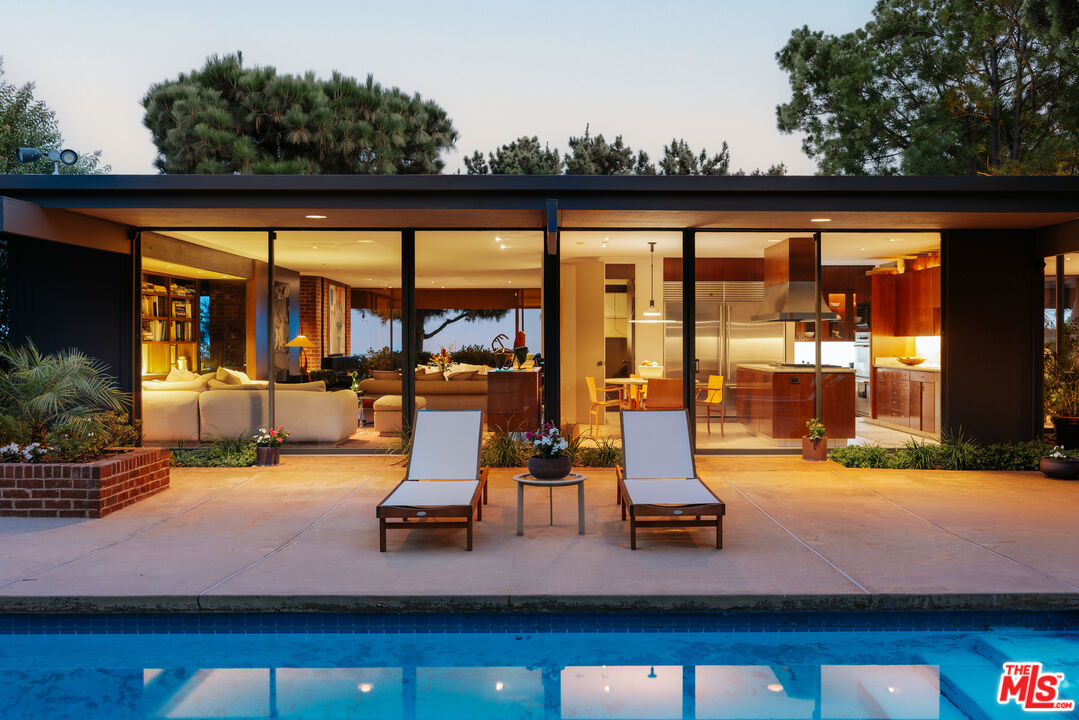
Post-World War II transformed the Hills into a modernist showcase. Architects seized on flat pads carved into steep slopes to create Case Study homes emphasizing indoor-outdoor living through floor-to-ceiling glass and cantilever construction. Pierre Koenig's Stahl House and John Lautner's Chemosphere became architectural landmarks representing mid-century Los Angeles optimism.
By the mid-1960s, Laurel Canyon's western Hills section became America's rock music epicenter. Low rents and rustic atmosphere attracted Joni Mitchell, Frank Zappa, The Doors, The Eagles, and Crosby, Stills & Nash, establishing the area's bohemian reputation distinct from Beverly Hills glamour.
Location & Geography
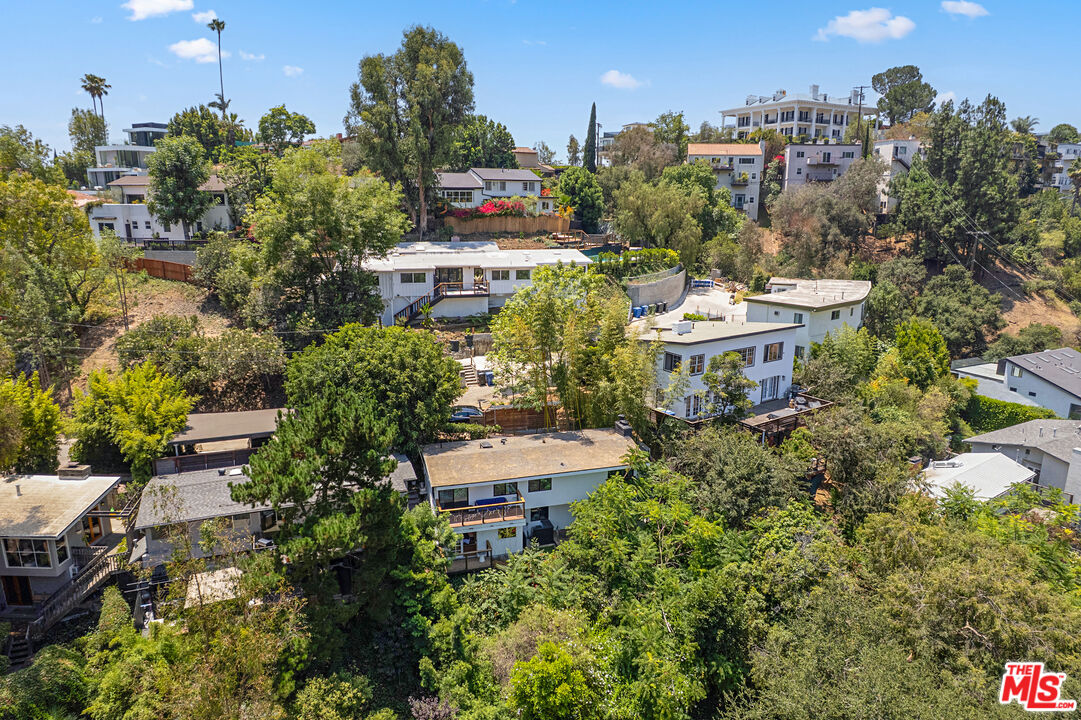
Hollywood Hills occupies the southern slope of the Santa Monica Mountains, a transverse range running east-to-west across Los Angeles. The Cahuenga Pass, where US-101 cuts through, divides the area into Hollywood Hills East and Hollywood Hills West. Terrain features steep ridges, deep canyons, and chaparral-covered slopes with elevations ranging from 500 to 1,700 feet.
Boundaries run from Mulholland Drive at the northern edge (bordering Studio City, Universal City, and Burbank) south to Franklin Avenue (bordering Hollywood and West Hollywood), from Griffith Park and Vermont Avenue east (bordering Los Feliz) west to Doheny Drive (bordering Beverly Hills).
The Hills are organized by canyons, each with distinct character. Hollywood Hills West includes Laurel Canyon (historic rock music hub with rustic feel), The Bird Streets (ultra-luxury modern mansions on streets named for birds), Mount Olympus (1960s master-planned community), and Nichols Canyon (private, creek-fed greenery). Hollywood Hills East encompasses Beachwood Canyon (original Hollywoodland with European architecture), Hollywood Dell (quiet valley near Hollywood Bowl), and Bronson Canyon (famous for film-location caves).
The area enjoys a Mediterranean climate. Elevation creates slightly cooler summer temperatures than the Valley and warmer winter nights than the basin due to thermal inversion. Granite and sedimentary rock geology combined with steep slopes creates landslide risk during heavy El Niño rain years.
Real Estate Market Snapshot
The Hollywood Hills market has transitioned from the frenzied seller's market of the early 2020s to a balanced environment favoring informed buyers. Median sale prices range from $1.75 million to $1.95 million, with the ultra-luxury segment (Bird Streets, Doheny Estates) commanding $5 million to $15 million-plus for prime view estates. Year-over-year median prices show slight corrections of 2-4%, reflecting stabilization rather than decline.
Inventory has increased 25-40% year-over-year in some sectors, giving buyers more selection and negotiating leverage. Days on market average 79-87 days, significantly longer than the 30-45 day averages of recent years. Sellers no longer command instant bidding wars unless properties are exceptional or underpriced.
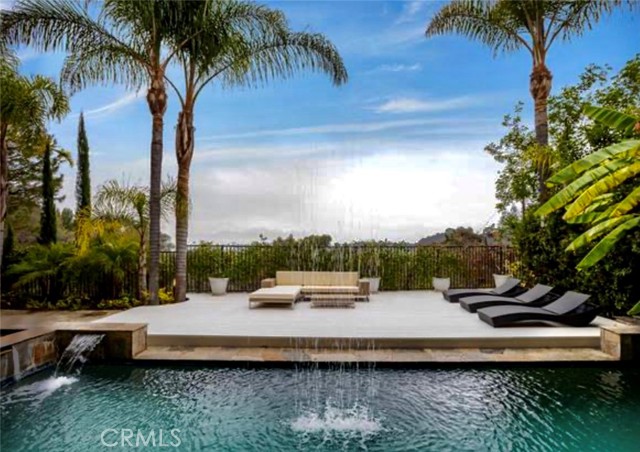
The market shows clear preference for "lifestyle assets"—homes with flat backyards, unobstructed views, privacy, and gated entries hold value strongest. Properties on steep lots without outdoor space face softer demand. Turnkey, move-in-ready homes are favored over fixer-uppers as inventory expansion allows buyers to be selective.
Appreciation forecasts for 2026 predict modest stability with flat to low single-digit growth of 1-3%, driven by quality and location rather than across-the-board increases. The market rewards distinctive properties while generic or compromised homes sit longer and attract lower offers.
Types of Homes Available
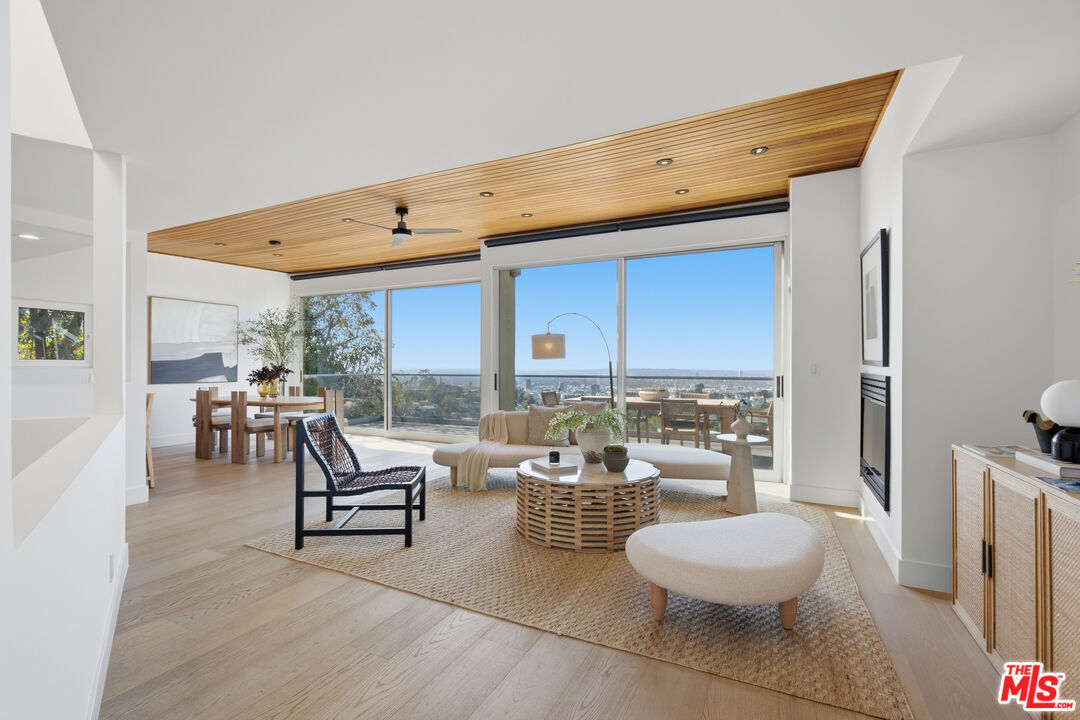
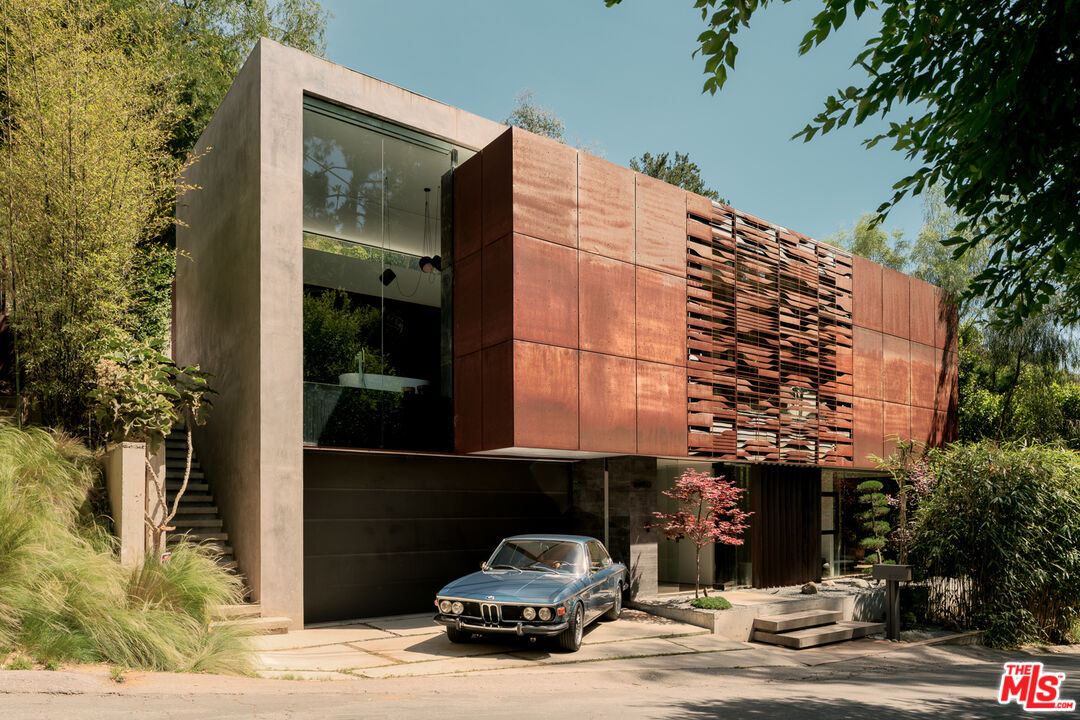
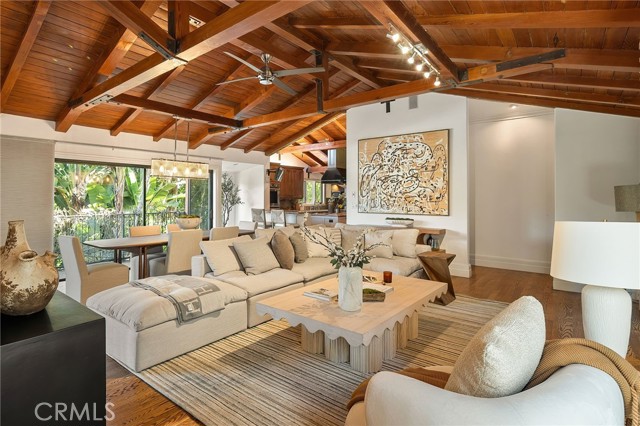
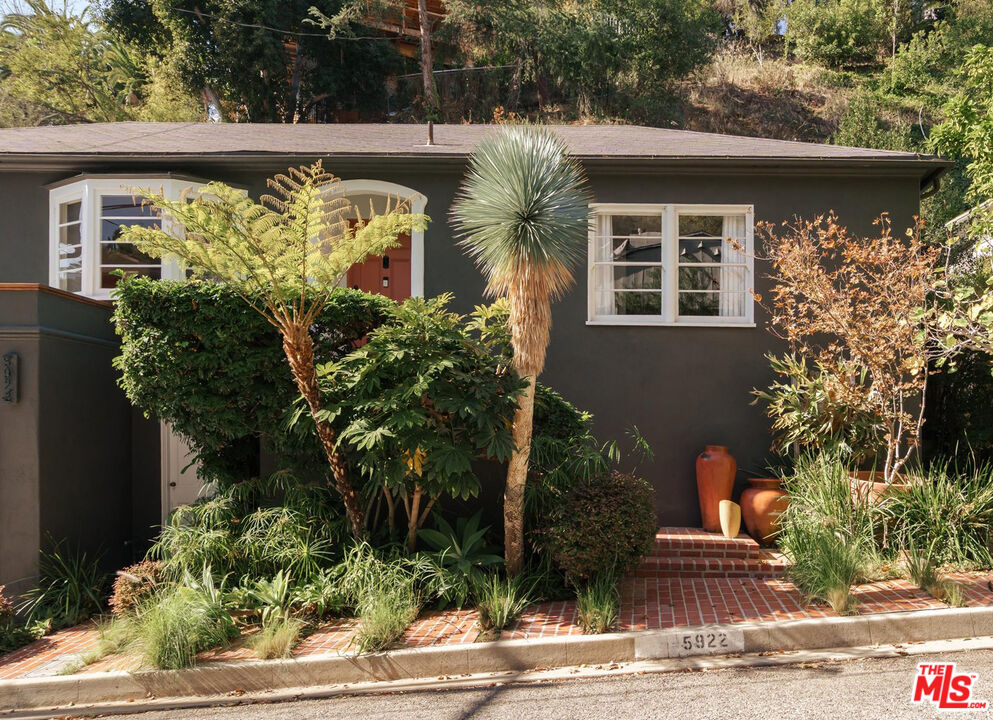
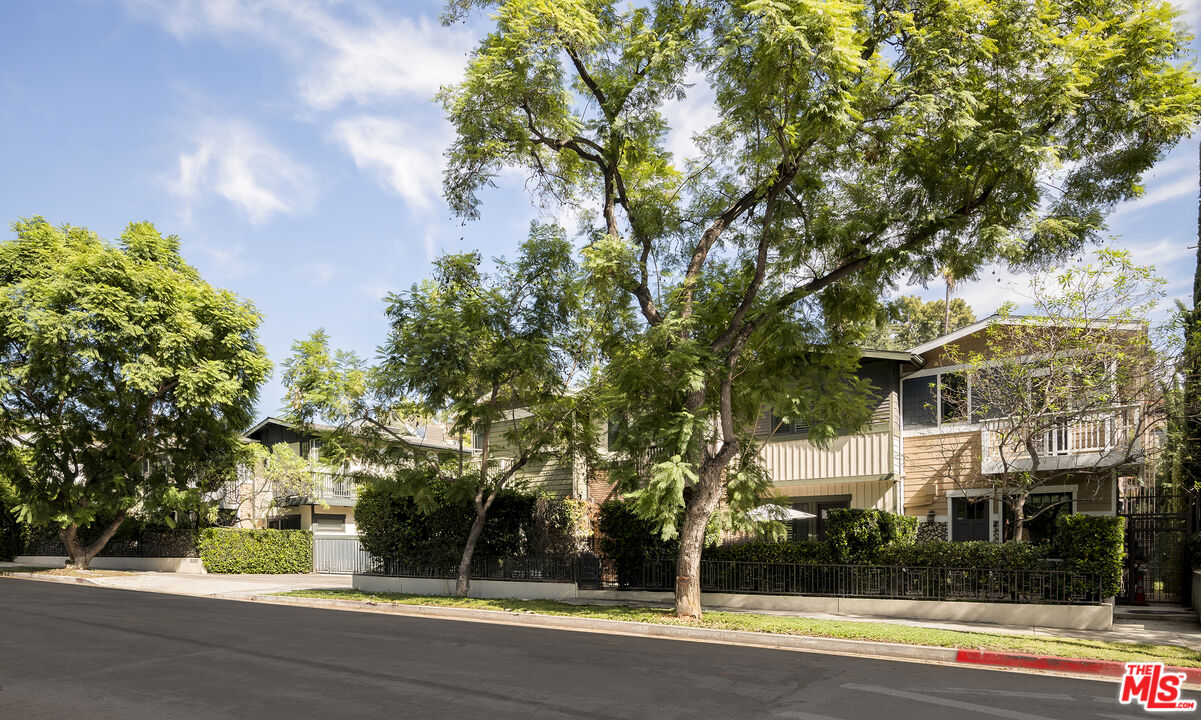
Single-family detached homes dominate Hollywood Hills inventory. The area's "architectural petting zoo" quality stems from decades of diverse building styles, though strict hillside ordinances now limit new construction, making existing architectural gems highly coveted.
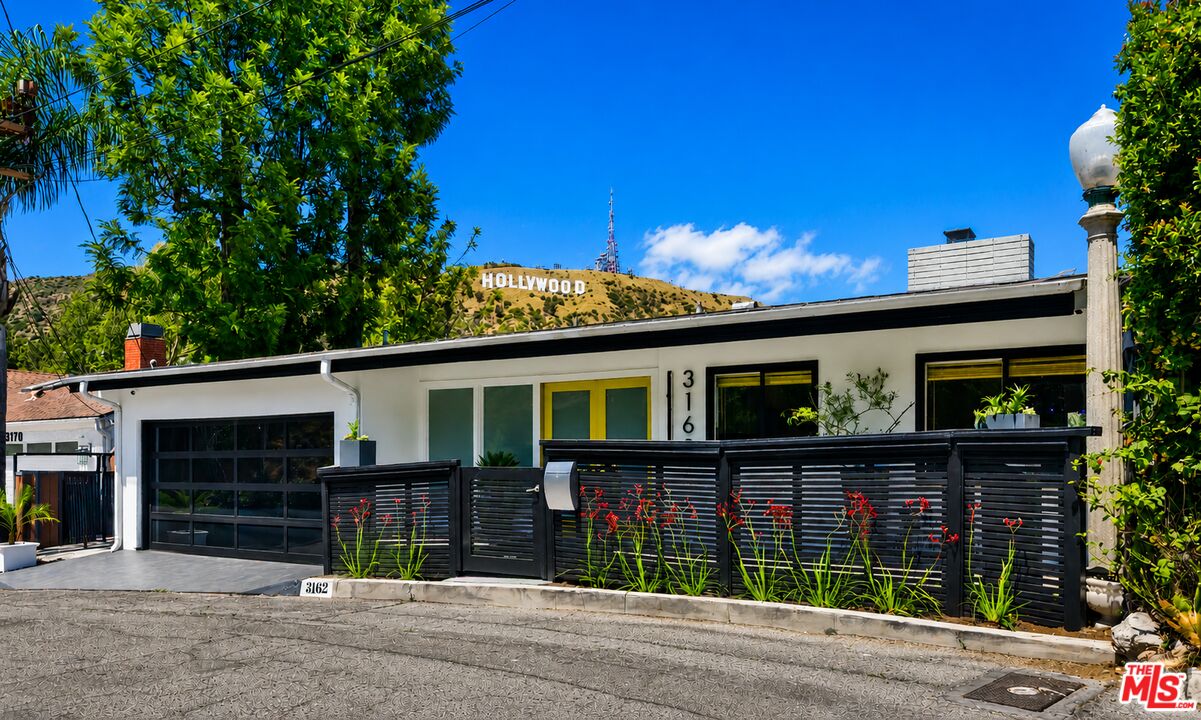
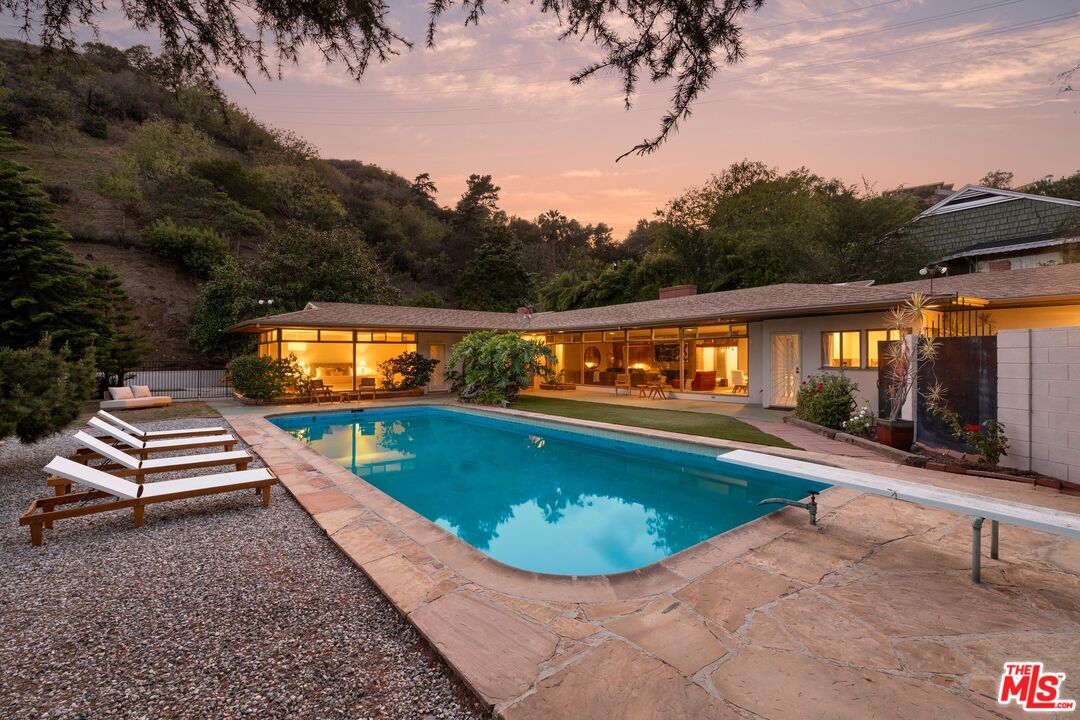
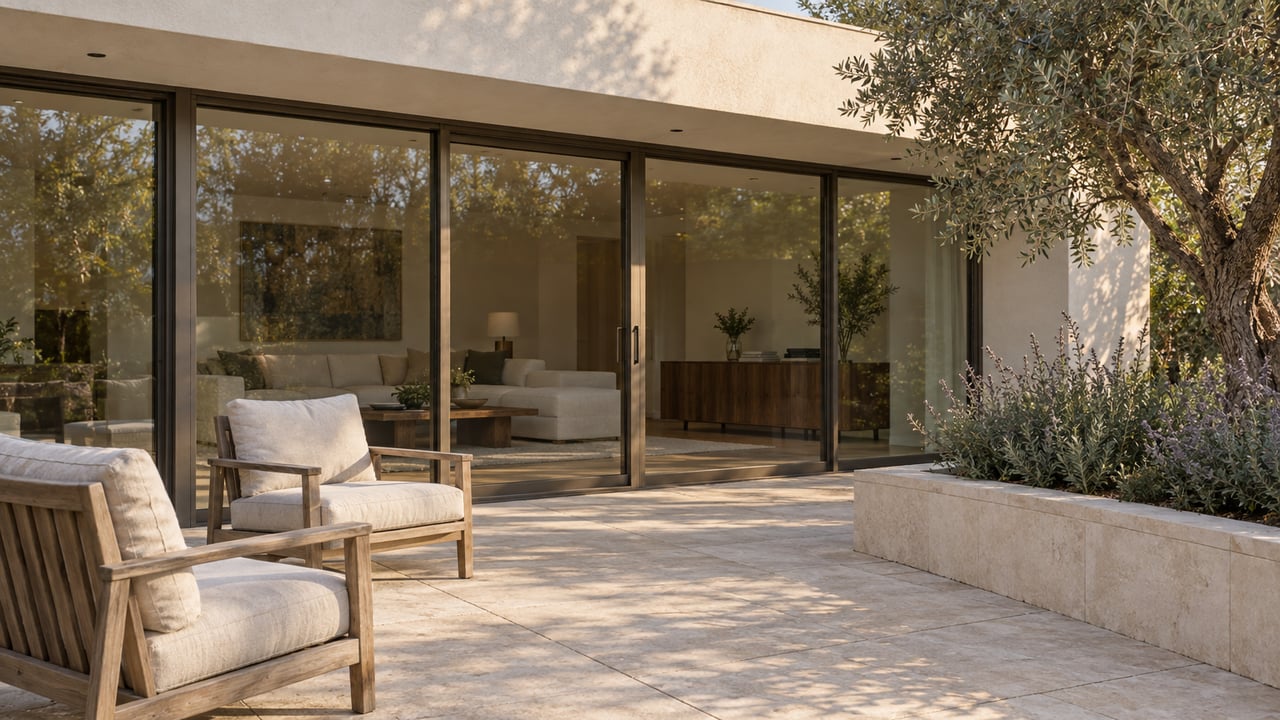
- Mid-Century Modern (1940s-1960s) homes represent the most iconic Hills style. These post-and-beam structures feature floor-to-ceiling glass walls, flat roofs, and open floor plans blurring indoor-outdoor boundaries. Famous examples include the Stahl House and Chemosphere.
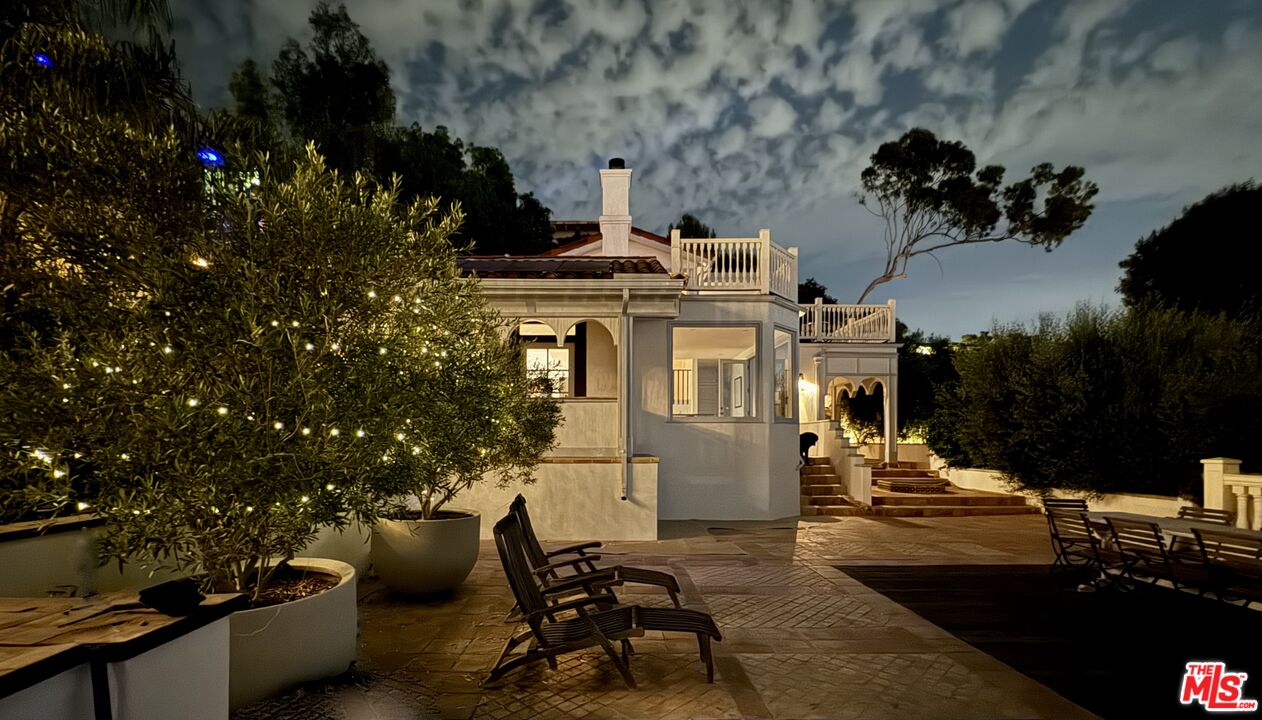
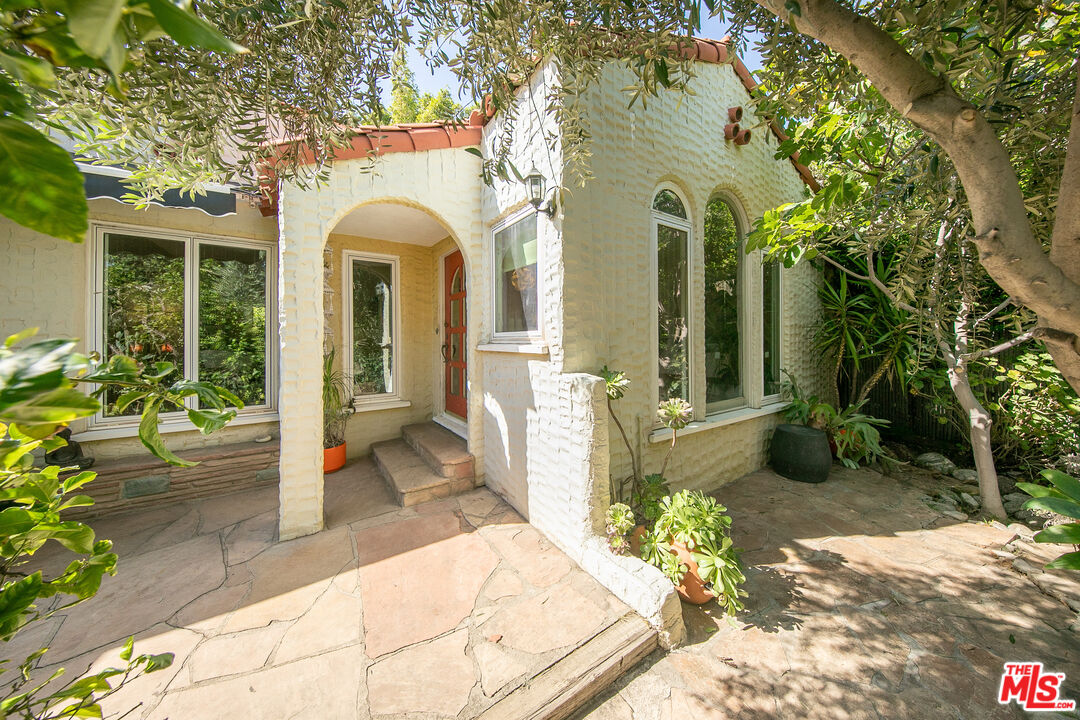
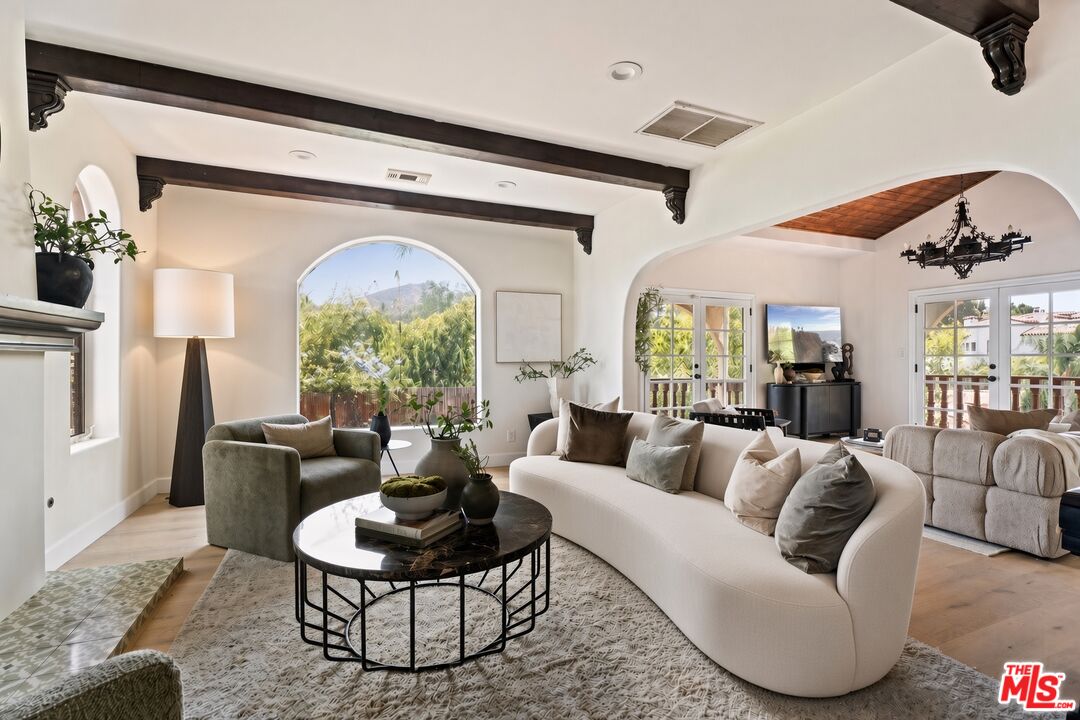
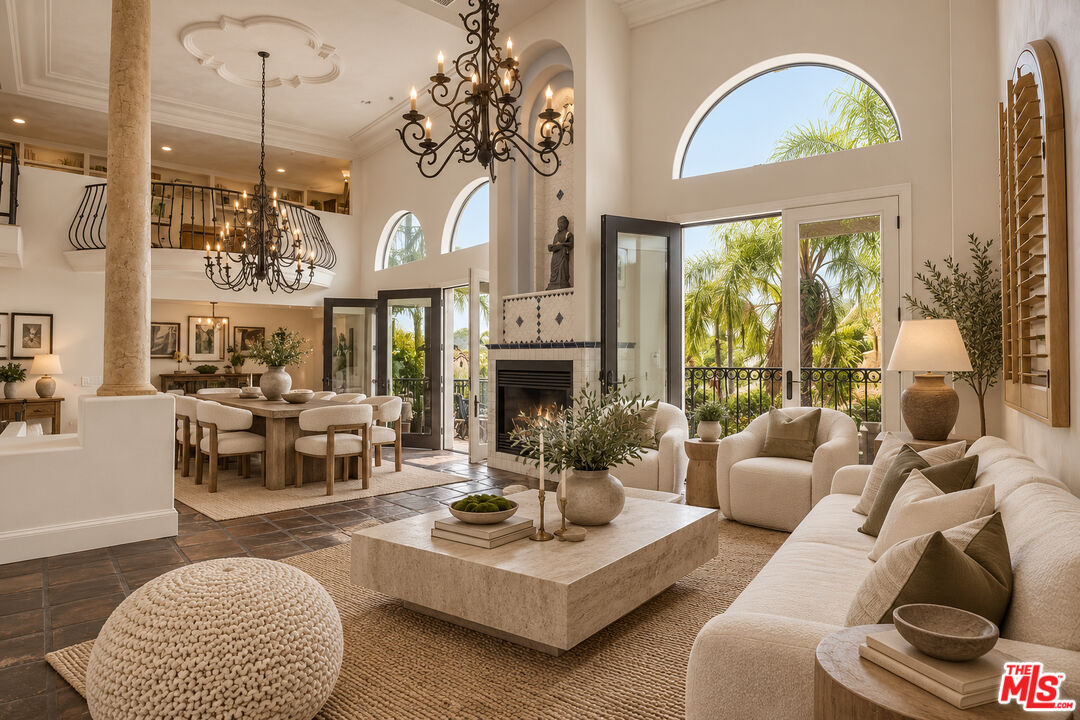
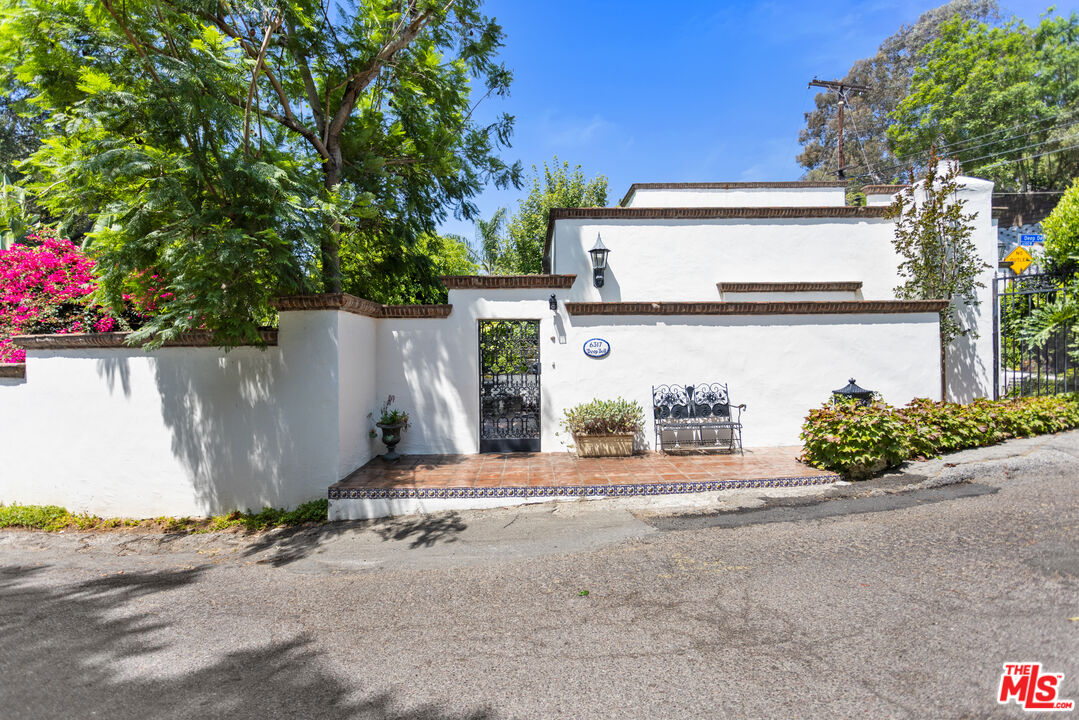
- Spanish Colonial Revival (1920s) homes characterize historic pockets like Whitley Heights and Outpost Estates, featuring white stucco walls, red clay tile roofs, arched doorways, and wrought-iron details.
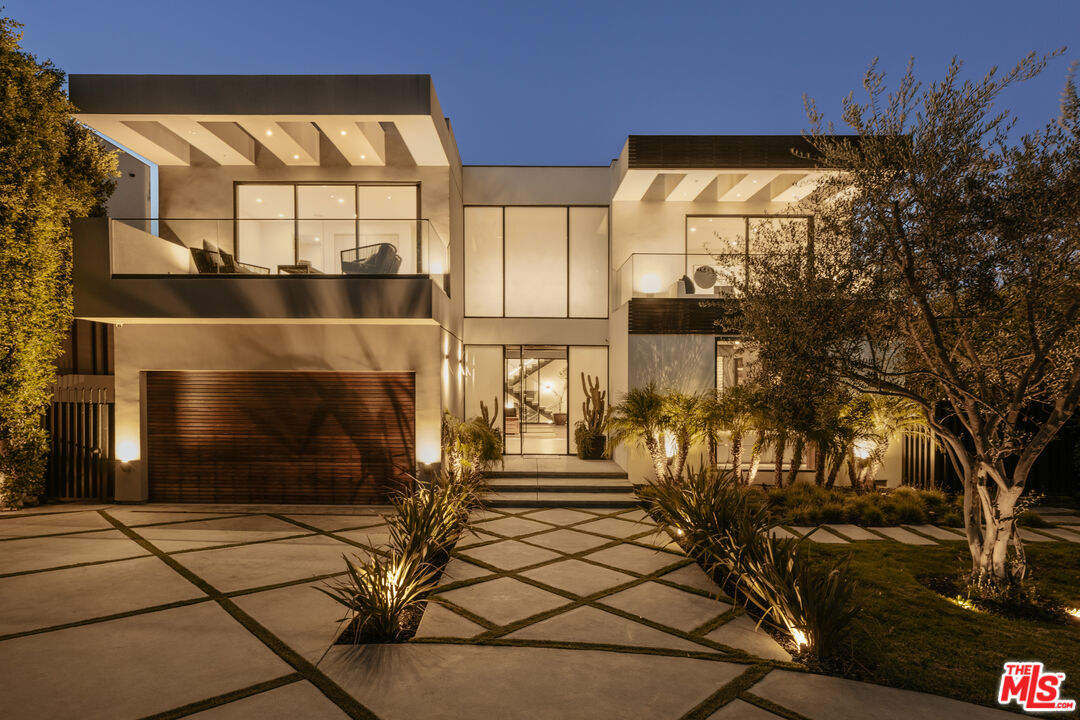
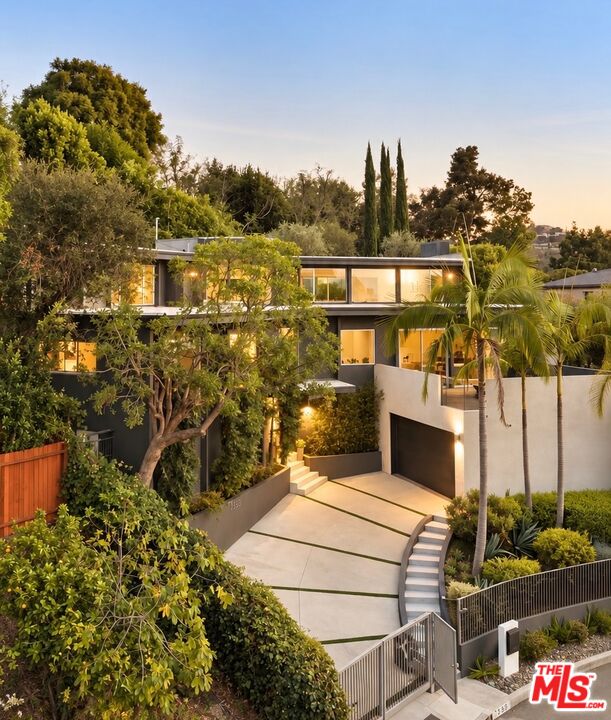
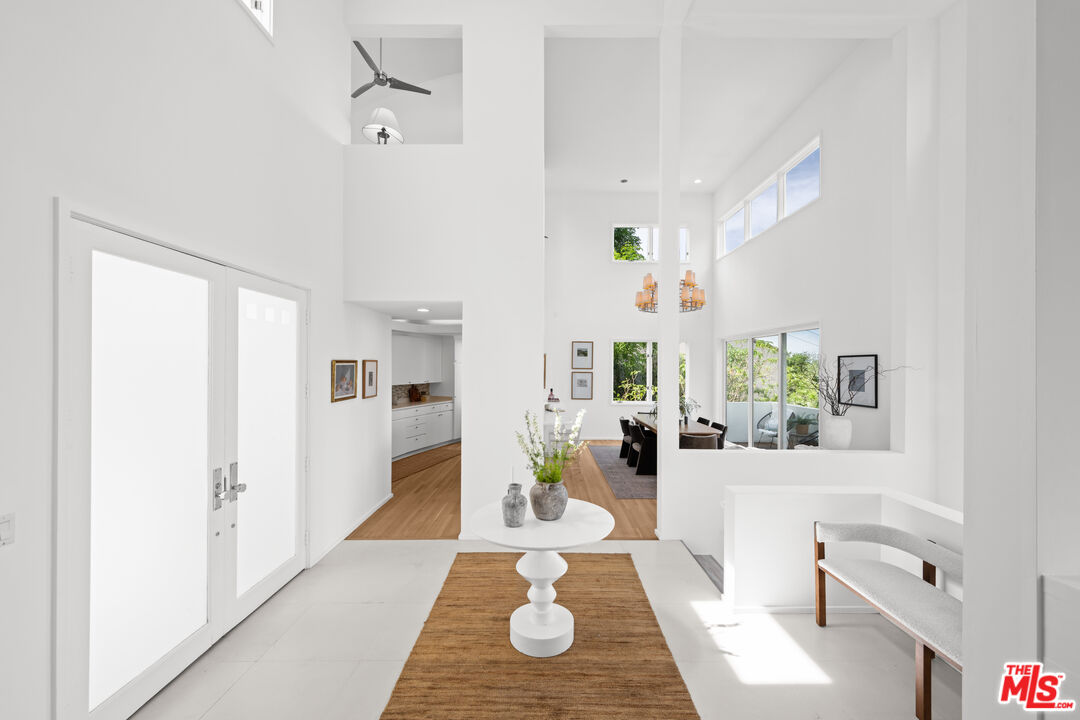
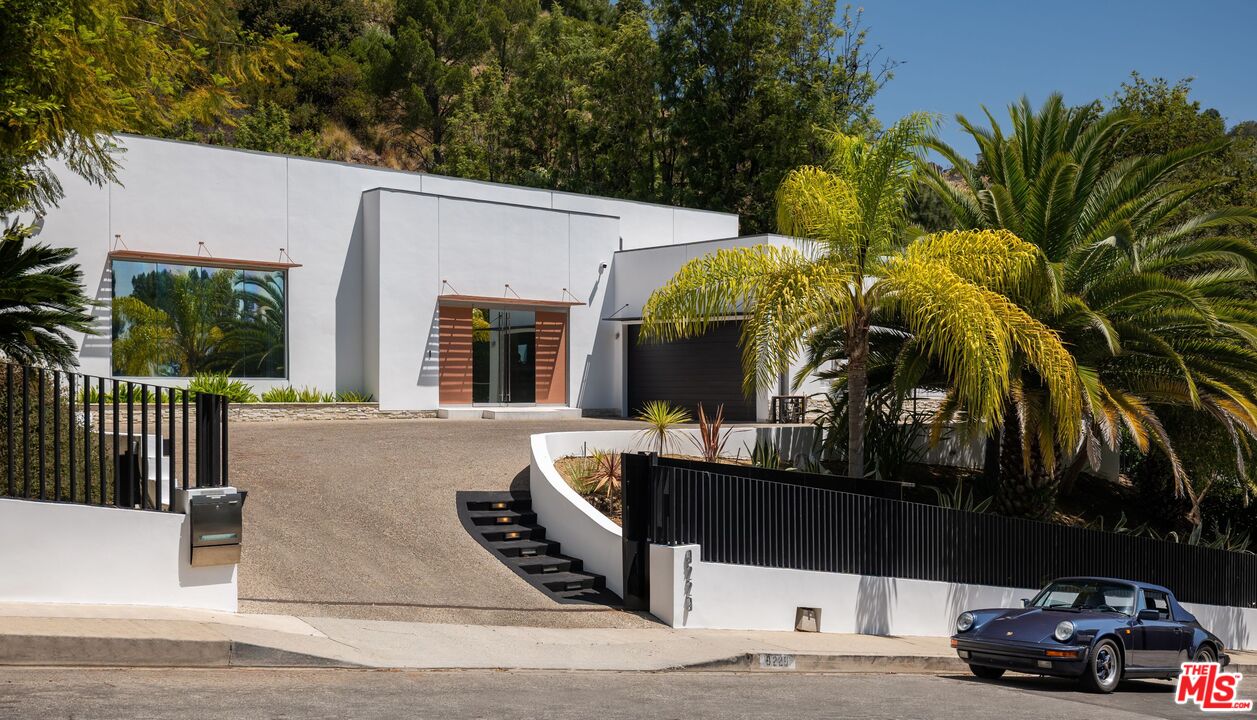
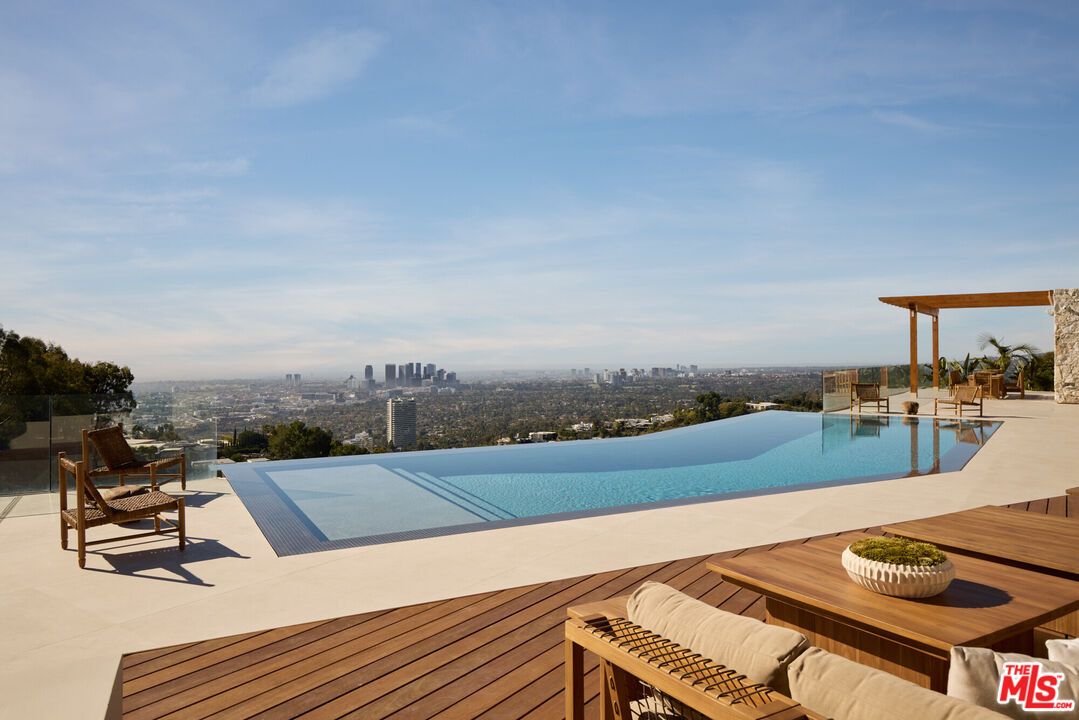
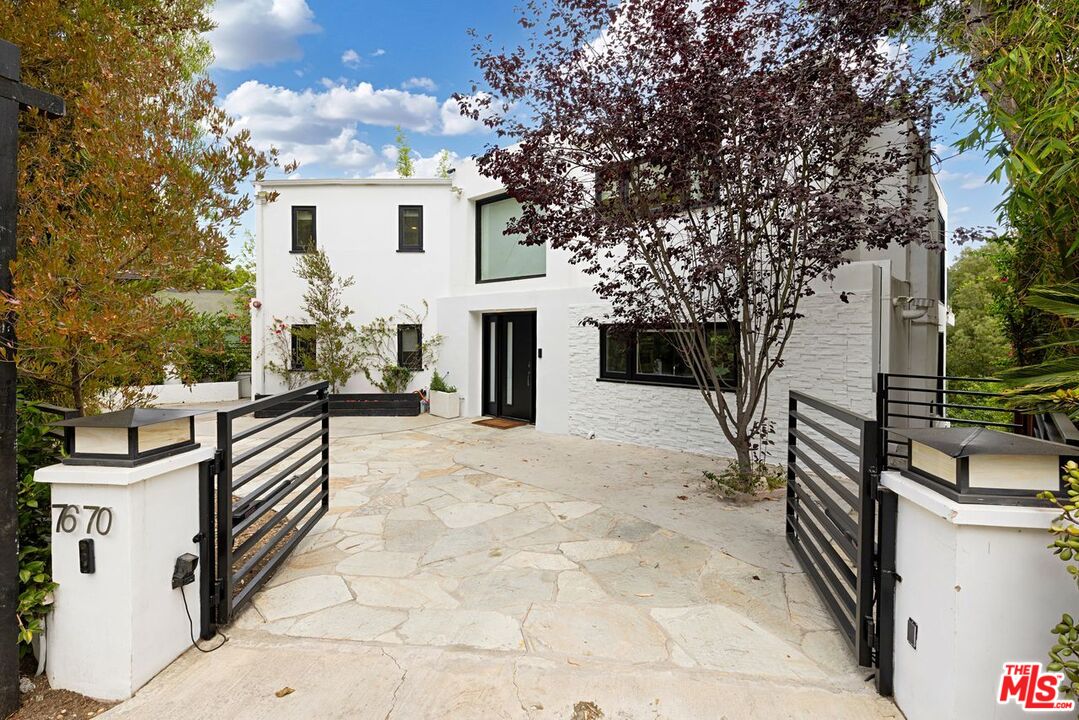
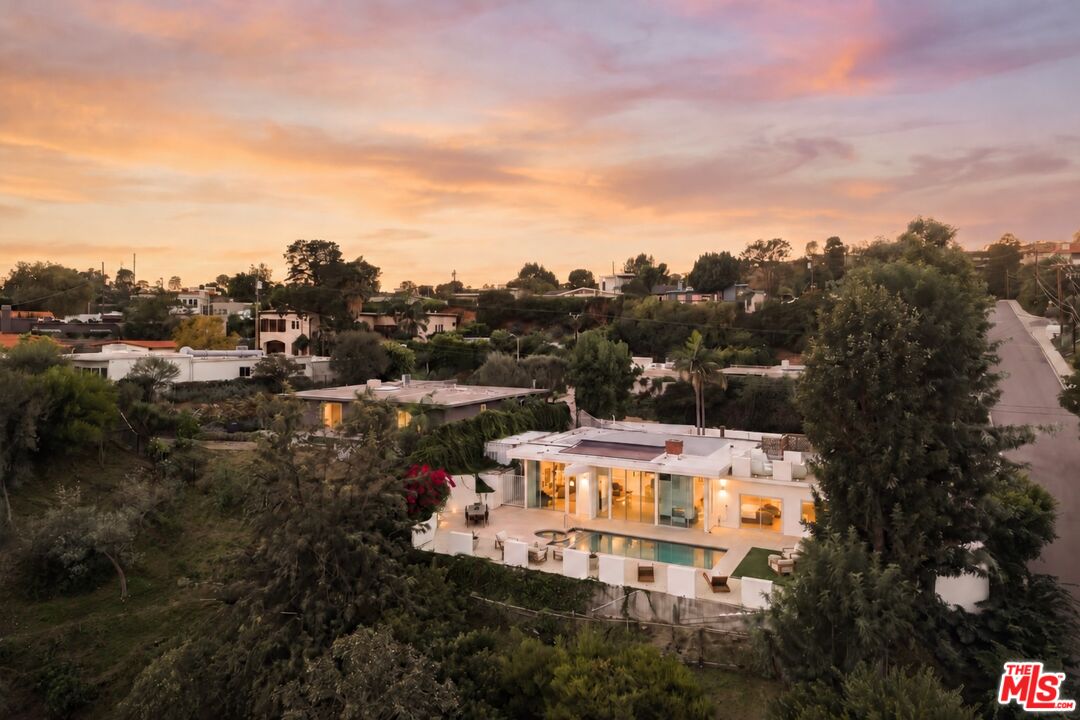
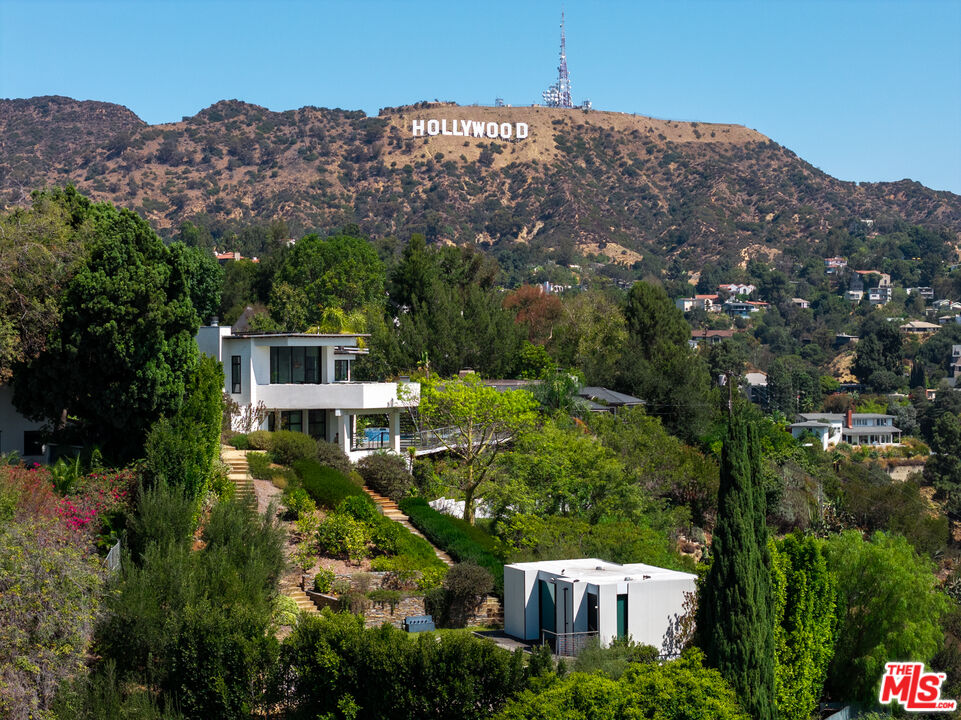
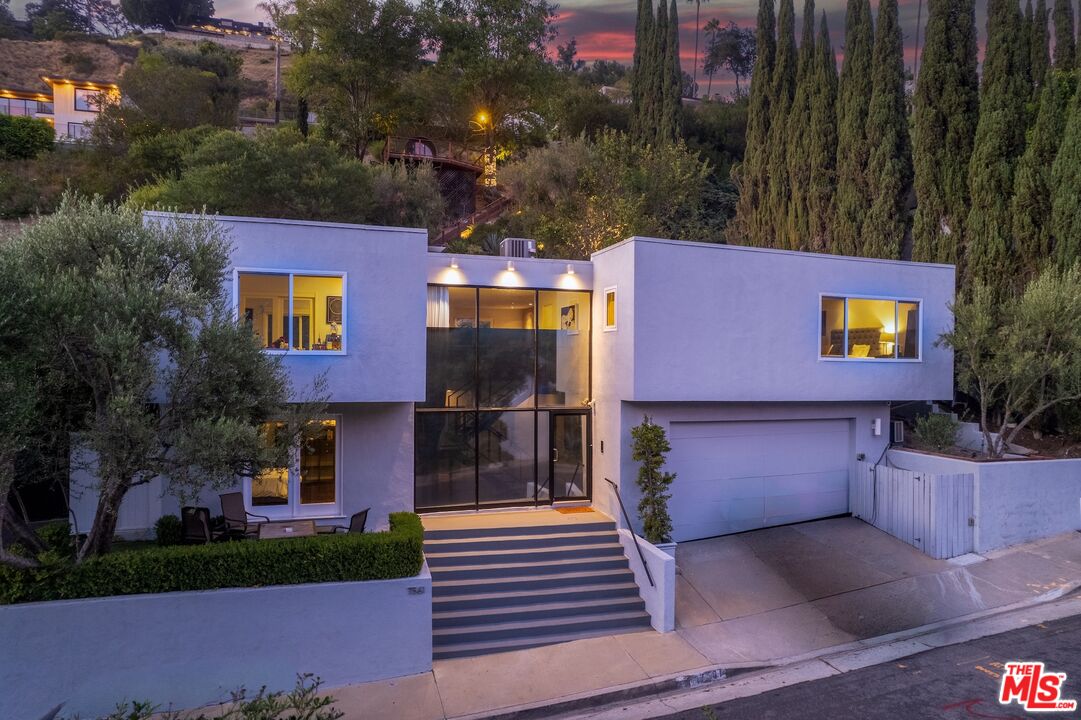
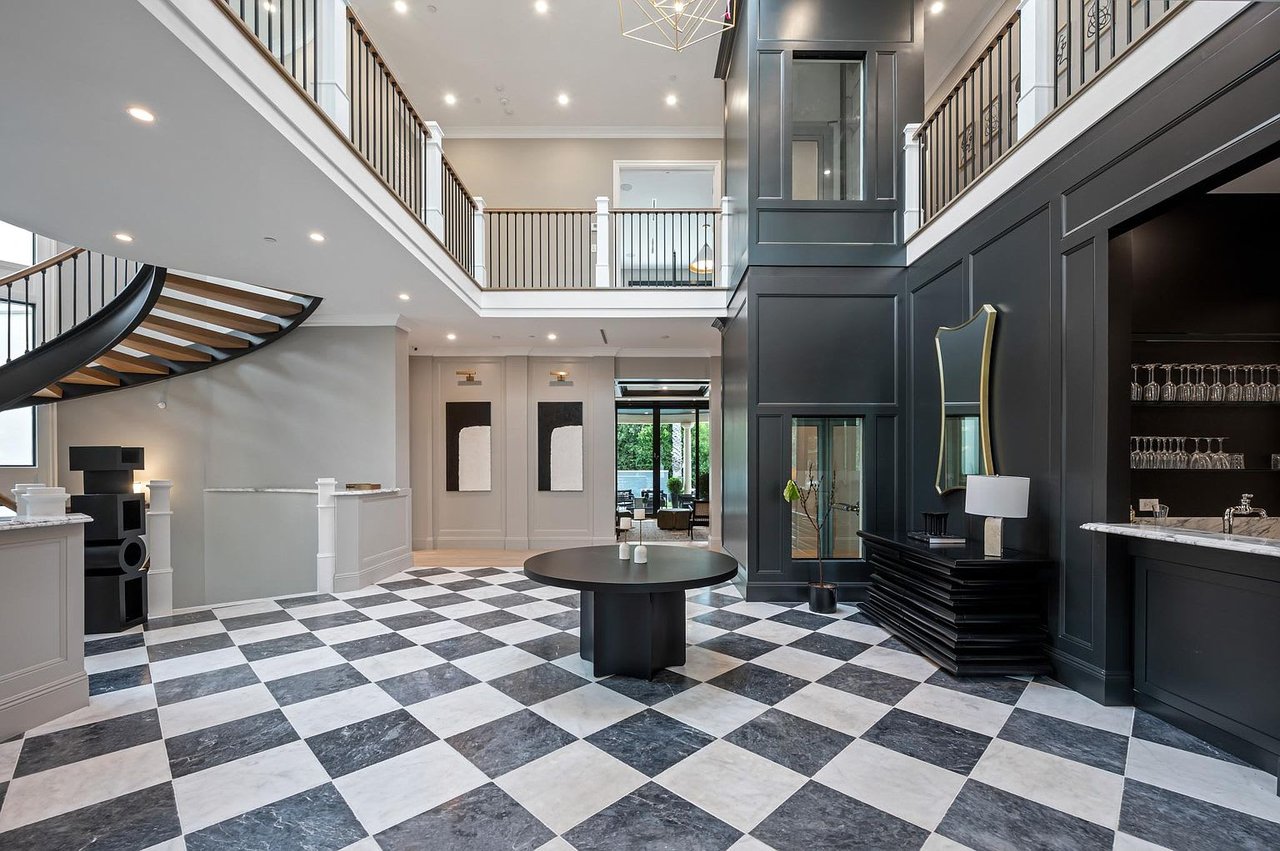
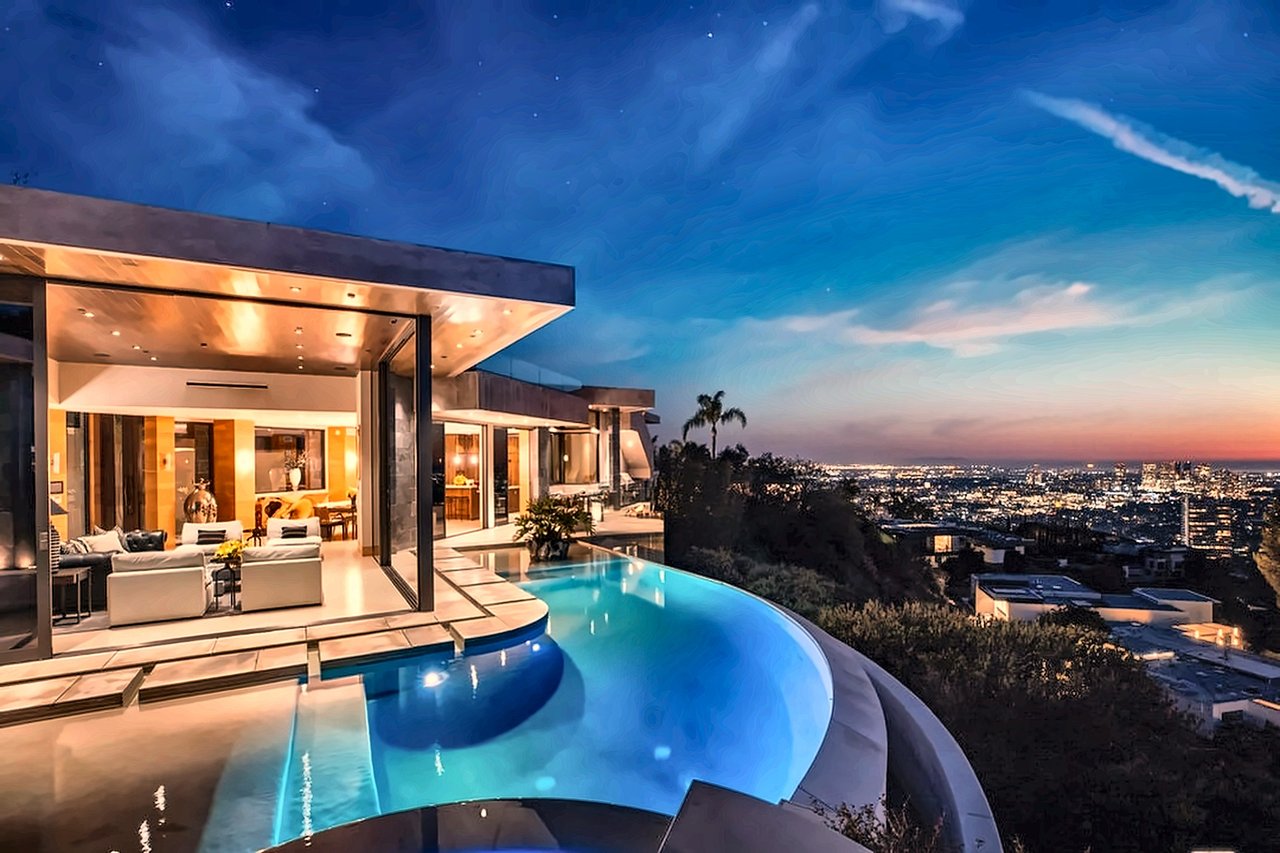
- Contemporary/Modern (2000s-present) construction, often called "white boxes," dominates the Bird Streets and Sunset Plaza areas. These sharp, geometric mansions feature retractable glass walls, infinity pools, and smart-home technology.
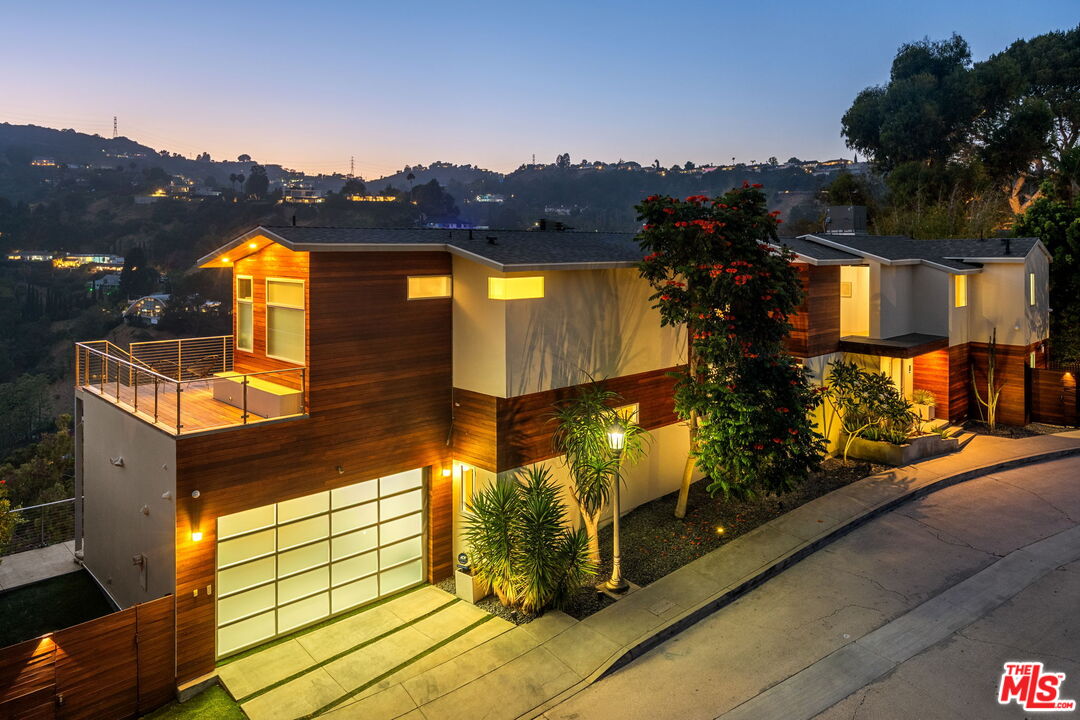
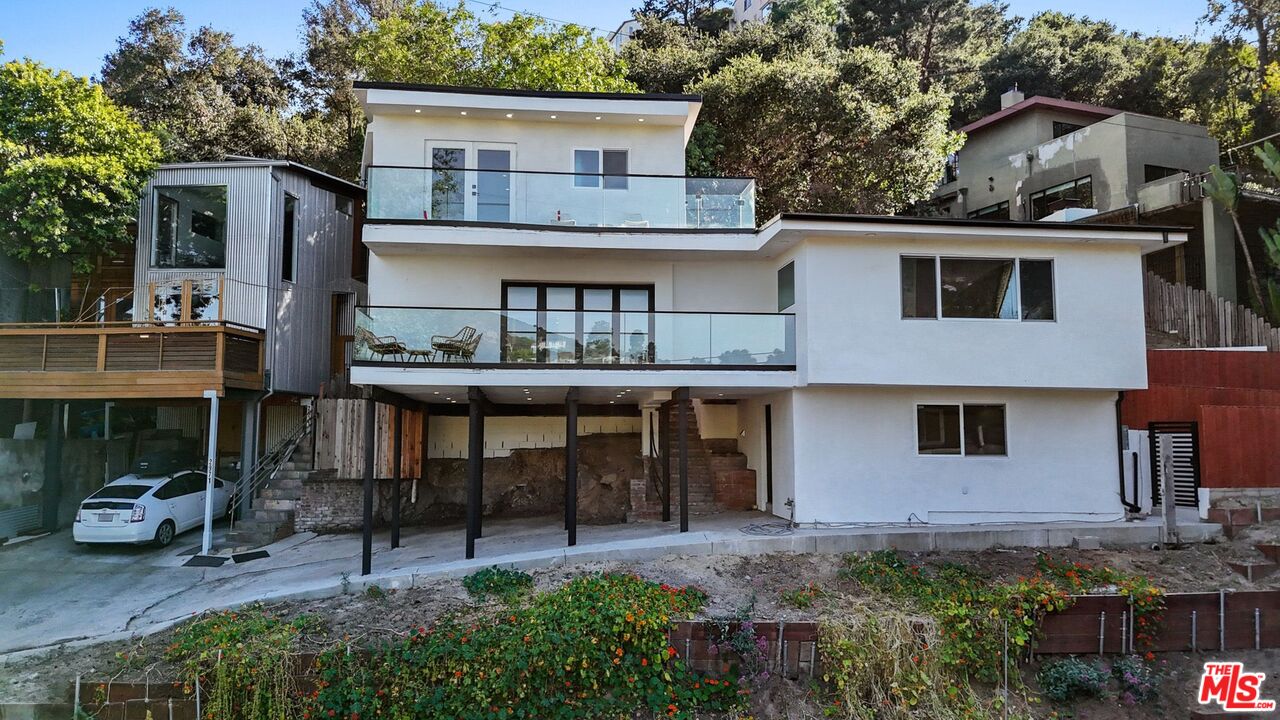
- Stilt houses specific to steep canyons are built on steel caissons or wooden stilts overhanging hillsides. They offer incredible views at lower entry prices but can be harder to insure and finance.
- Condominiums and apartments exist in limited numbers at canyon bases. The High Tower District features unique condos accessed by a historic private elevator. Mid-rise buildings from the 1960s-70s at the bottom of Runyon Canyon and Beachwood Canyon offer Hills lifestyle access (hiking, views) at $600,000-$1.2 million price points.
- Storybook architecture in Beachwood Canyon includes whimsical cottages with rolled eaves, turrets, and stone facades designed to resemble European fairytale houses.
Factors to Consider When Buying
- Fire insurance presents the most significant hurdle. The entire Hollywood Hills area is designated a Very High Fire Hazard Severity Zone. Traditional carriers have substantially withdrawn coverage. Buyers often rely on California's FAIR Plan for fire coverage plus a secondary wrap-around policy for liability and theft, costing 3-5 times standard insurance rates. Always make insurance approval a purchase contingency—never assume coverage availability.
- Geological inspection is essential beyond standard home inspection. Geologists assess slope stability, soil creep, landslide risk, and drainage issues. Foundation types matter: caissons and deep pilings are the gold standard for steep lots but expensive to repair; older homes on short cripple walls need seismic bolting and bracing. Retaining walls are legal structures—failure costs $50,000-$100,000-plus to repair. Verify they're permitted and structurally sound.
- Hillside Ordinance regulations restrict renovation and additions. The Baseline Hillside Ordinance limits floor area ratio based on lot steepness—steeper lots allow smaller houses. Major construction requiring dirt removal needs Haul Route Hearing approval, which neighbors can delay, making major renovations 2-3 year projects.
- Access and parking deserve careful evaluation. Many streets are single-lane with two-way traffic. Verify off-street parking availability—street parking is often restricted or impossible, affecting resale value and guest accommodation. Confirm fire truck and delivery vehicle access to the property.
- Measure ULA (the "Mansion Tax") applies 4% transfer tax on sales over $5 million and 5.5% on sales over $10 million. Buyers purchasing homes near these thresholds should factor this into long-term equity projections, as they'll pay when selling unless the law changes.
Factors to Consider When Selling
- Pricing strategy must reflect current market realities. Data-savvy buyers won't tolerate aspirational pricing 10% above comparables. Stale listings beyond 60 days become stigmatized and attract lowball offers. Properties with unpermitted work or foundation issues should be priced accounting for repair costs plus hassle premiums buyers will deduct.
- Over-disclosure protects sellers legally and practically. California requires disclosure of all known material facts. In the Hills, disclose past water intrusion (common with flat roofs), neighborhood noise (Hollywood Bowl proximity, party houses), and property line disputes (fences frequently off-mark). Natural Hazard Disclosure reports flag fire and seismic zones—transparency helps identify serious buyers rather than those who'll cancel during escrow.
- View maintenance directly impacts value. Trim overgrown trees and hedges before listing to maximize view corridors. The million-dollar view sells the property.
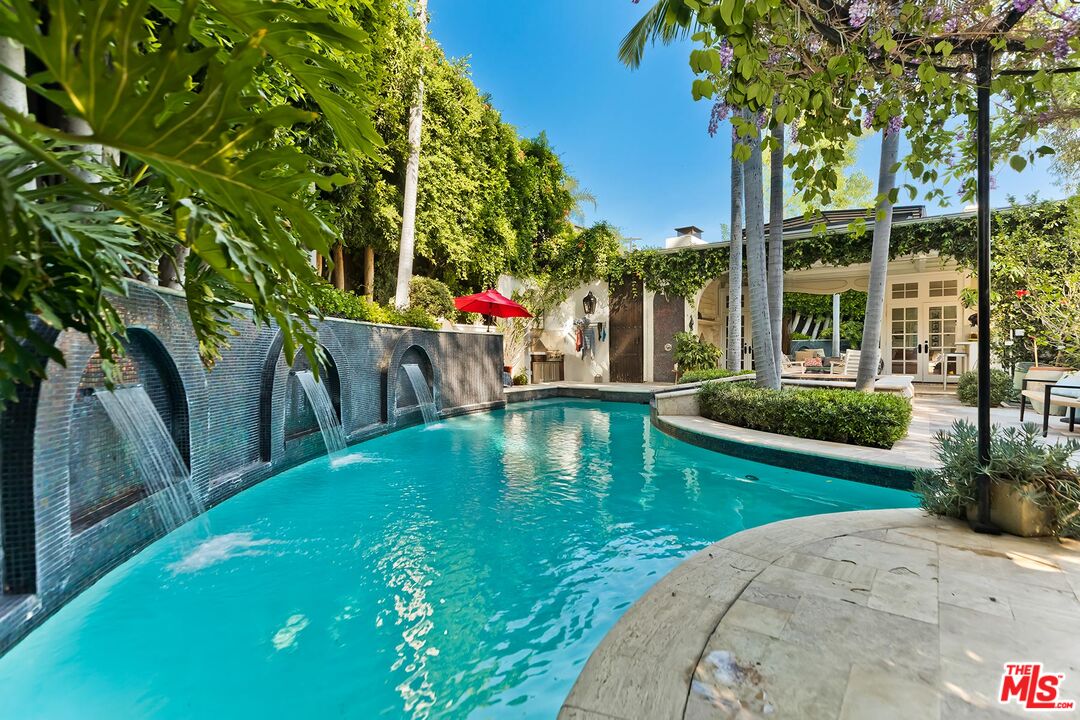
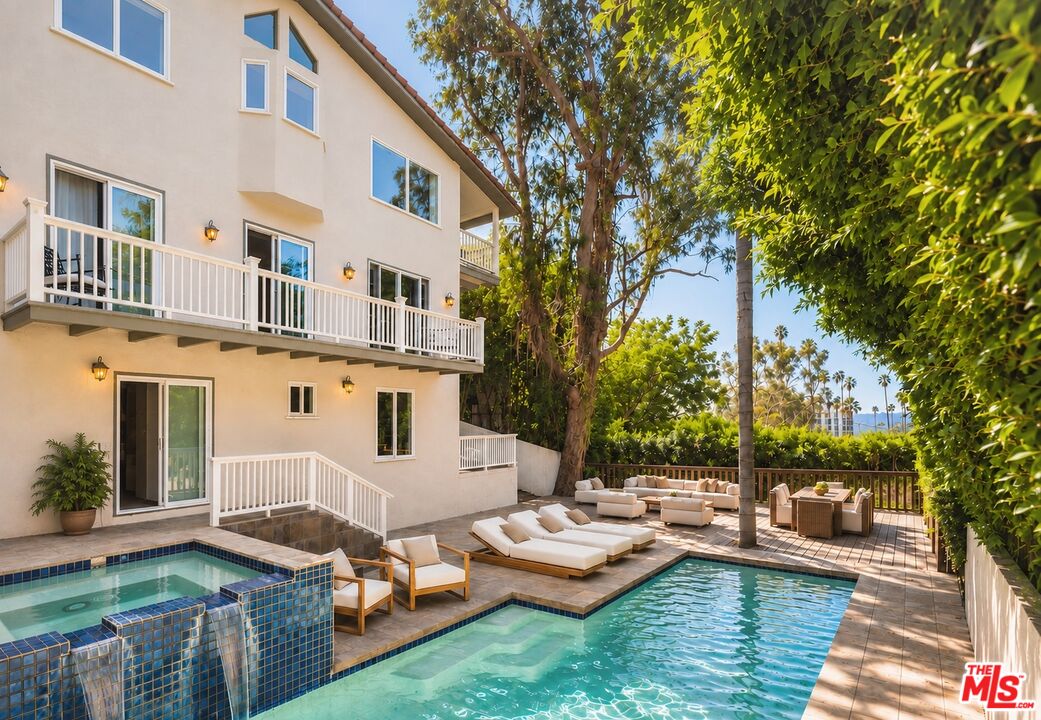
- Outdoor living spaces matter equally to kitchens in the Hills. Stage decks and pool areas as outdoor living rooms, showcasing the indoor-outdoor lifestyle buyers expect.
- Measure ULA considerations affect pricing strategy for homes valued $4.8-$4.9 million. Listing under $5 million avoids triggering the 4% transfer tax. Sellers above $5 million should calculate net proceeds including the 4% tax to avoid closing table surprises.
- Buyer insurability requires proactive assessment. Before listing, confirm whether your current insurance policy is transferable or if the property qualifies for new coverage. Knowing insurability upfront allows appropriate marketing—perhaps targeting cash buyers or FAIR Plan-familiar purchasers.
Dining and Entertainment
Hollywood Hills residents access dining through canyon-base villages and nearby commercial corridors. Yamashiro perches high above the city in a Japanese palace replica, offering Asian-fusion cuisine with unbeatable views. Musso & Frank Grill on Hollywood Boulevard, established 1919, serves classic martinis and steaks in red leather booths as Hollywood's oldest restaurant. Pace tucked inside Laurel Canyon provides intimate Italian dining favored by celebrities seeking privacy.
Franklin Village on Franklin Avenue serves as the eastern Hills' social heart. La Poubelle's French bistro feels like the neighborhood living room, Birds offers casual rotisserie chicken and popular happy hour, and The Oaks Gourmet supplies high-end deli items and wines. Beachwood Café in Beachwood Canyon, famous for yellow wallpaper and breakfast menu, gained global attention after appearing in Harry Styles' "Falling."
The Hollywood Bowl ranks as the area's crown jewel—one of the world's most famous natural amphitheaters hosting summer concerts where residents picnic before shows. The Ford across the freeway offers intimate performances in a hillside venue. The Magic Castle, a private Academy of Magical Arts clubhouse, requires member invitation for formal dinner and magic shows.
Sunset Strip adjacent to the western Hills provides immediate access to legendary clubs including The Roxy and Whisky a Go Go, plus luxury lounges at The Pendry and Sunset Tower.
Shopping
Shopping requires descending to specific upscale corridors. Gelson's at Franklin and Bronson serves as the Hills' primary grocery, known for premium produce and celebrity sightings despite high prices. Bristol Farms at Sunset and Fairfax serves western Hills residents. Canyon Country Store in Laurel Canyon maintains its historic bohemian vibe from serving 1960s-70s rock stars, offering excellent deli and wine selection.
Sunset Plaza on southern Hills edge features walkable European designer boutiques and al fresco dining. Melrose Avenue just south offers everything from edgy streetwear to high-end designer flagships like Balmain and Oscar de la Renta. Ovation Hollywood (formerly Hollywood & Highland) provides major retailers including Sephora with convenient parking despite tourist crowds.
Parks and Recreation
Runyon Canyon Park offers the most famous hiking scene—an off-leash dog park where you'll likely encounter influencers and actors. Great views but often crowded. Griffith Park on the eastern border encompasses over 4,200 wilderness acres with Mt. Hollywood Trail leading behind the Observatory, the rugged Wisdom Tree trail to a lone pine with 360-degree views, and Bronson Canyon featuring the "Batcave" with easier flat trails.
Lake Hollywood Reservoir provides a flat, paved 3.3-mile loop—rare level terrain with stunning Hollywood Sign and water views. Lake Hollywood Park offers grassy picnic areas directly under the Sign. Jerome C. Daniel Overlook on Mulholland Drive delivers famous Hollywood Bowl and downtown vistas from a constructed viewpoint. Wattles Garden Park north of Hollywood Boulevard features historic gardens used for weddings and quiet strolls.
Wilson and Harding Golf Courses inside Griffith Park offer classic municipal play with rich history and affordable greens fees.
Annual Events and Festivals
The Hollywood Bowl Season (June-October) defines neighborhood life. Opening Night in June features black-tie galas and fireworks. July 4th Fireworks Spectacular spans multiple nights with legendary acts and the city's best fireworks display—visible from private decks and Mulholland Drive outlooks. Movie nights host sing-alongs and live-scored films throughout summer. Show nights create heavy traffic on Highland Avenue and Cahuenga Boulevard from 5:00 PM, prompting residents to use canyon back routes.
The Ford Season (July-October) across the 101 freeway offers intimate, eclectic programming highlighting LA artists, jazz, dance, and international music with less crowding than the Bowl.
Hollywoodland Home Tours in Beachwood Canyon occasionally showcase historic storybook homes through homeowners association events. Laurel Canyon "Love Street" gatherings celebrate the canyon's rock history with informal music fests at Canyon Country Store and local estates. Hollywood Christmas Parade in November on Hollywood Boulevard effectively closes lower canyon access (Beachwood, Bronson) for an entire Sunday evening.
The LA Marathon in March cuts through Hollywood Boulevard and Sunset Boulevard at Hills base, often landlocking Hills West residents (Laurel Canyon, Sunset Plaza) until runners pass.
Schools and Education
Hollywood Hills presents education challenges—expensive homes but complex public school zoning, with geography making private school commutes significant daily undertakings.
Public schools through Los Angeles Unified School District vary in quality. Wonderland Avenue Elementary (Laurel Canyon) rates 9/10 as the public school crown jewel with dedicated parent base (often celebrities and industry executives) and high test scores. Real estate within Wonderland boundaries commands premiums. Cheremoya Avenue Elementary (Beachwood Canyon) rates 6-7/10, offering historic setting with strong arts focus. Valley View Elementary rates 7-8/10, serving the northern Mulholland/Studio City slope.
Walter Reed Middle School (Studio City) serves the northern Hills with high ratings. Hollywood High School is the assigned high school—many families opt for magnet programs like the Performing Arts Magnet or private schools instead.
Private schools attract many Hills families despite commute challenges. Harvard-Westlake (Studio City/Bel Air) for grades 7-12 ranks as LA's most prestigious prep school, rigorous and Ivy League-focused, easier for Valley-side residents. The Oaks School (Hollywood) serves grades K-6 with progressive, social justice-focused curriculum. Immaculate Heart (Los Feliz) provides grades 6-12 all-girls Catholic college prep. Campbell Hall (Studio City) offers grades K-12 Episcopal education balancing academics with arts and athletics.
Competitive preschools require early application. Oaks Christian Preschool, Hollywood United Methodist Preschool, and Piper Preschool are popular local options.
Nearby universities include UCLA (Westwood, 20-30 minutes west), USC (Downtown/South LA, 25-35 minutes southeast), and American Film Institute in Los Feliz bordering the eastern Hills.
Commute and Accessibility
Commuting involves a two-stage journey—navigating narrow canyon roads to reach the flats, then joining LA's broader traffic grid. Laurel Canyon Boulevard is the busiest north-south connector between the LA Basin and San Fernando Valley, heavily backed up during rush hours (8-9:30 AM, 5-7 PM). Coldwater Canyon and Beverly Glen farther west serve Beverly Hills and Century City commuters. Outpost Drive offers wider, less chaotic access to Hollywood than Highland Avenue.
US-101 Hollywood Freeway serves as the primary vein with access points at Highland Avenue, Cahuenga Boulevard, and Barham Boulevard creating choke points. Residents frequently use surface streets like Franklin Avenue or Mulholland Drive to bypass freeway gridlock for short distances.
Metro Red Line (B Line) subway provides genuine value for downtown LA or Universal City commuters. Hollywood/Highland and Universal City/Studio City stations serve the area—many residents drive to Universal City's park-and-ride lot to avoid 101 traffic. DASH Bus in Beachwood Canyon runs up and down Beachwood Drive, mainly serving tourists and locals avoiding steep walks.
Uber and Lyft face challenges in Bird Streets or high Laurel Canyon—wait times extend to 15-20 minutes as drivers avoid steep, narrow, dead-end streets where GPS signals can be spotty.
Most Coveted Streets & Estates
- The Bird Streets (Oriole Way, Blue Jay Way, Nightingale Drive, Swallow Drive) above the Sunset Strip represent the platinum standard. Jetliner views span unobstructed from downtown LA to the ocean. The highest concentration of $20 million-plus ultra-modern glass mansions exists here. Unlike most Hills streets, these are wider and easier to navigate.
- Doheny Estates at the westernmost Bird Streets edge bordering Trousdale Estates features Doheny Drive and Marcheeta Place. This is the only high Hills area with significantly flatter lots allowing actual backyards and lawns rather than just cliffside decks—arguably the most expensive dirt per square foot in the Hills.
- Outpost Estates (Outpost Drive, Castilian Drive) north of Runyon Canyon features underground utilities buried in the 1920s, eliminating ugly wires obstructing views. Strict preservation rules maintain pristine 1920s Spanish Colonial Revival estates rather than boxy modern construction.
- Mount Olympus (Hercules Drive, Zeus Drive, Electra Drive) west of Laurel Canyon was master-planned in the 1960s with wide sidewalks, streetlights, and underground utilities feeling suburban despite mountain setting. Limited entry points create a semi-gated atmosphere.
- The Wonderland Pocket (Wonderland Avenue, Lookout Mountain Avenue) surrounding Wonderland Avenue Elementary School commands 10-15% price premiums for school enrollment access. The area maintains a rustic Northern California village feel ten minutes from Sunset Strip.
Who is Hollywood Hills For?
Hollywood Hills attracts entertainment industry professionals, tech entrepreneurs, and creative class buyers willing to pay premium prices for architectural distinction, panoramic views, and the prestige of living where Hollywood history was made. This neighborhood suits those who prioritize privacy, outdoor access, and unique homes over walkable convenience and suburban comfort.
Ideal buyers understand hillside living tradeoffs—narrow winding streets, limited parking, fire insurance challenges, and premium costs for renovation restrictions. They value being minutes from studios, music venues, and cultural attractions while maintaining distance from urban density. Families seeking top-rated public schools should focus on Wonderland Elementary boundaries, while those requiring private education must accept significant daily commutes.
The Hills reward buyers who appreciate mid-century modernism, Spanish Revival craftsmanship, or contemporary design enough to navigate complex building codes preserving architectural character. Those wanting flat yards, easy access, and conventional suburban amenities will find better value elsewhere. Hollywood Hills delivers unmatched combination of natural beauty, architectural significance, and entertainment industry proximity—but demands acceptance of the unique challenges that protect what makes it special.