Welcome to Hancock Park, CA
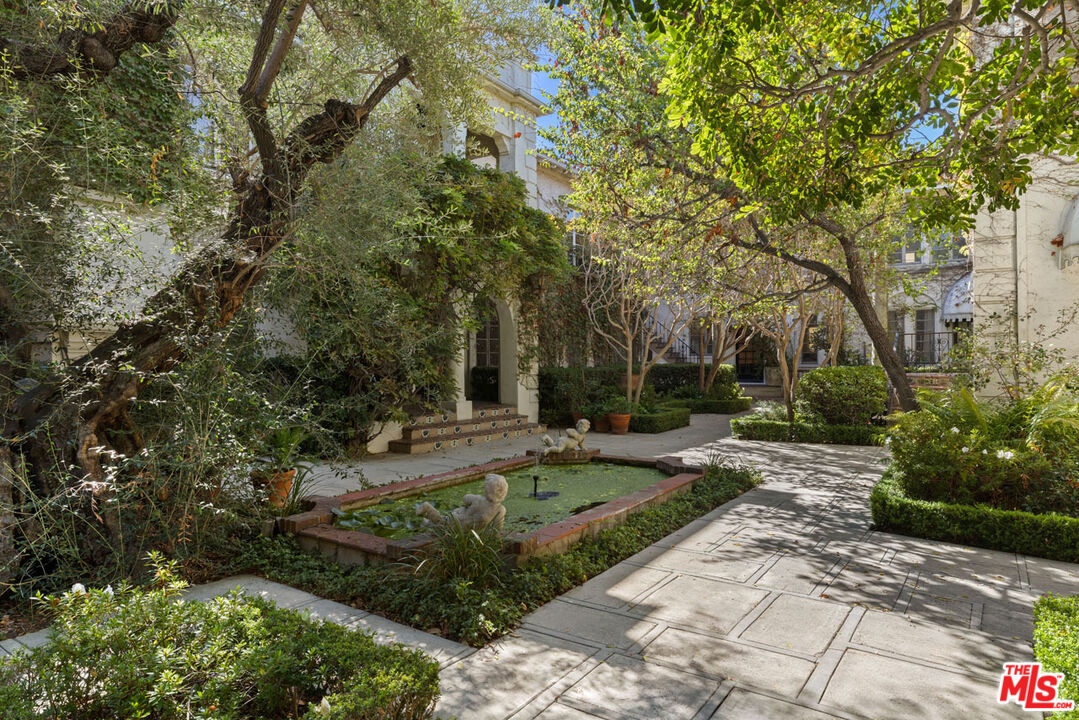
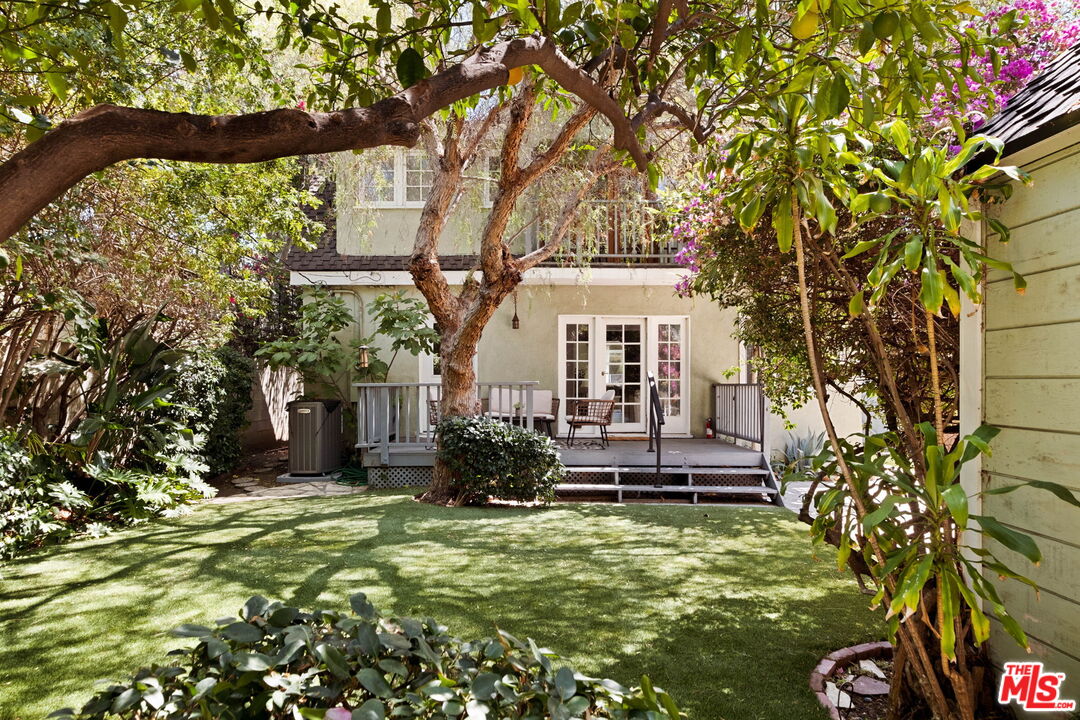
Hancock Park is what people mean when they say Los Angeles had a formal residential era. Laid out in the 1920s by George Allan Hancock on land his family's oil fortune made available, it was designed from the start as an address rather than a subdivision — wide streets, deep fifty-foot setbacks, mature canopy trees, and estate homes commissioned from the architects who were then defining Southern California. A century later, most of that is still standing, largely because the neighborhood has spent the last two decades protecting it by ordinance.
For buyers, that produces an unusual proposition in Los Angeles: a central location where the housing stock is genuinely irreplaceable, and where the rules governing what you can do to it are unusually specific. Understanding both halves of that equation is the difference between buying well here and buying blind.
Hancock Park Neighborhood Overview
The neighborhood proper sits between Melrose Avenue to the north and Wilshire Boulevard to the south, bounded by Rossmore Avenue on the east and Highland Avenue on the west. That places it almost exactly in the geographic center of the city — south of Hollywood, north of the Miracle Mile, and roughly equidistant from Downtown and Beverly Hills.
What distinguishes it from other historic pockets in LA is coherence. Roughly nine in ten original homes retain period-appropriate street-facing facades, which means you can walk a block of Muirfield Road or McCadden Place and read the 1920s without interruption. There are no infill stucco boxes breaking the rhythm, no second-story additions looming over the sidewalk. A Walk Score in the mid-80s is unusual for a neighborhood of single-family estates, and it comes almost entirely from Larchmont Boulevard sitting at the eastern edge — close enough that many residents genuinely do their errands on foot.
The resident profile skews toward established professional and creative households: entertainment executives and producers, physicians affiliated with the Cedars and Kaiser corridors, attorneys commuting to Downtown, and multi-generational families who bought decades ago and have no intention of leaving. Turnover is low. That scarcity is the single most important market dynamic in the neighborhood.
Hancock Park Real Estate Market Snapshot
Hancock Park does not behave like a typical LA submarket. Inventory is chronically thin, so the headline statistics move more on which homes happen to list than on any underlying shift in demand.
Median list and sale pricing currently runs roughly $1.3M to $1.9M+, but that figure is misleading in isolation — it blends pre-war condominiums along Rossmore Avenue with single-family homes, and the estate segment regularly trades from $3M to $5M and well above. Price per square foot lands in the $777 to $895 range, again with wide dispersion depending on restoration quality and whether the home has been meaningfully updated behind its historic facade.
On the rental side, median monthly rent sits near $3,500, up roughly nine percent year over year, reflecting the same supply constraint that governs sales.
Median days on market typically runs 40 to 60 days, which reads slower than it is. Well-priced, well-restored homes on prime interior blocks frequently move faster than that; the tail is made up of properties with deferred maintenance, unpermitted work, or awkward additions that sophisticated buyers underwrite conservatively. Two tax considerations belong in every Hancock Park budget: LA County property tax at approximately 1.21%, and the City of Los Angeles Measure ULA transfer tax, which applies to higher-value transactions and can materially affect net proceeds on an estate sale.
In practice, the Hancock Park market rewards preparation over speed. Because so few homes trade in any given quarter, comparable sales are sparse and often imperfect, and valuation depends heavily on judgment about restoration quality, HPOZ status, and whether a Mills Act contract is in place.
Historic Architecture and Home Styles in Hancock Park
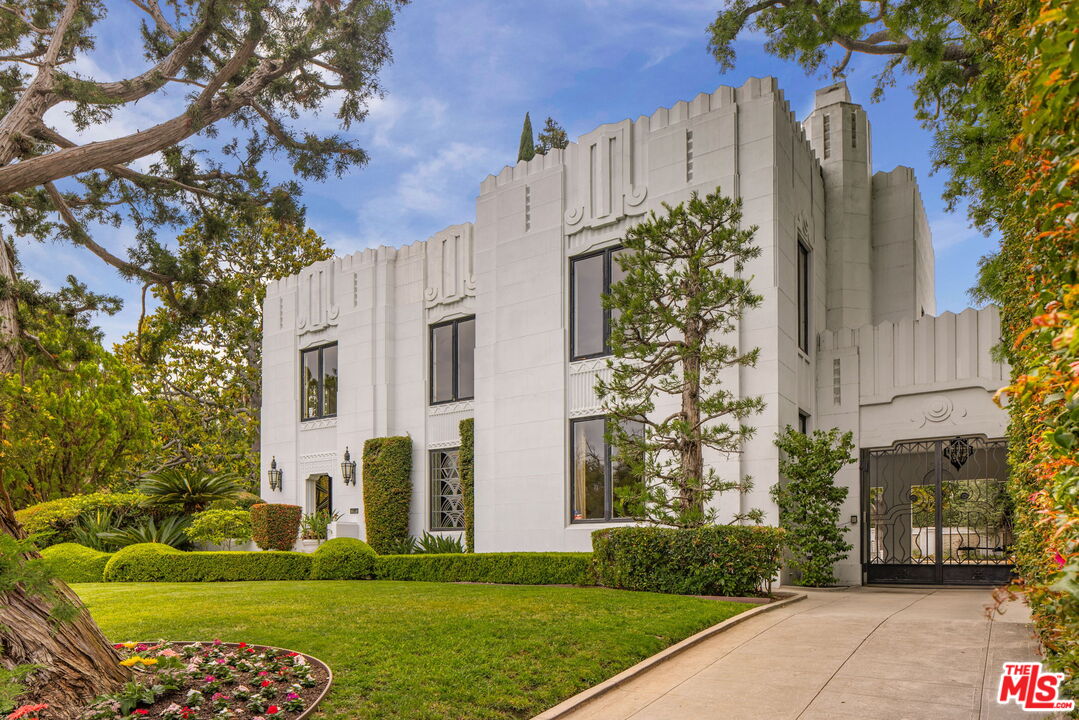
The neighborhood's building boom coincided with the Period Revival movement's peak, and it drew from the top of the profession — Paul R. Williams and Wallace Neff both left work here. The result is a concentrated survey of 1920s and 1930s American residential design.
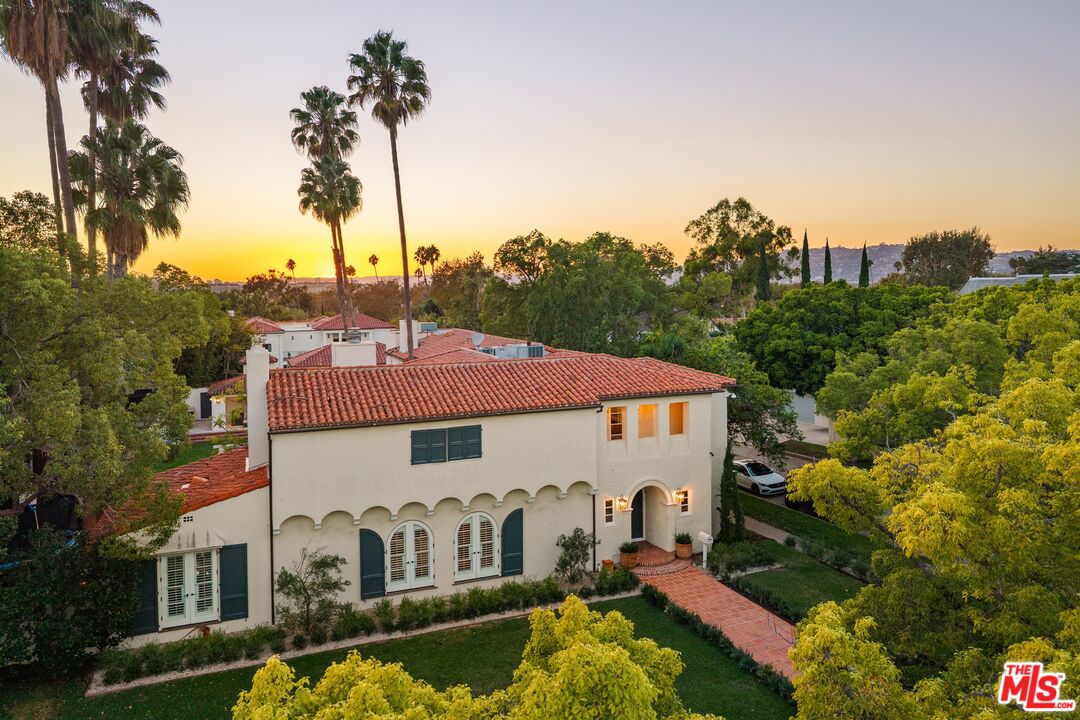
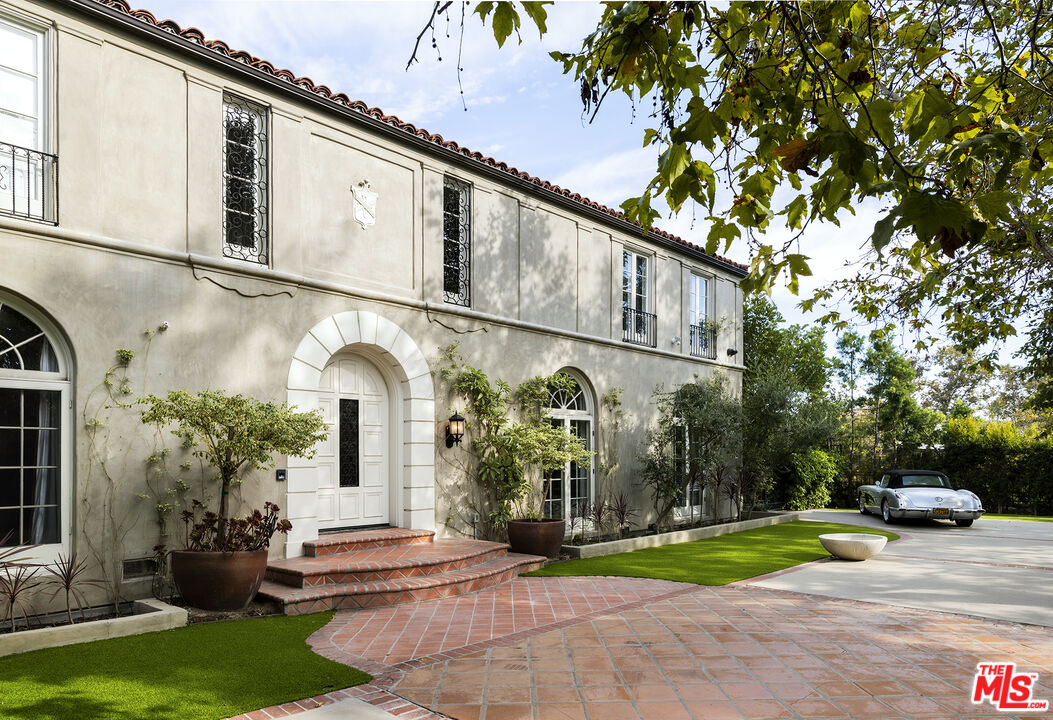
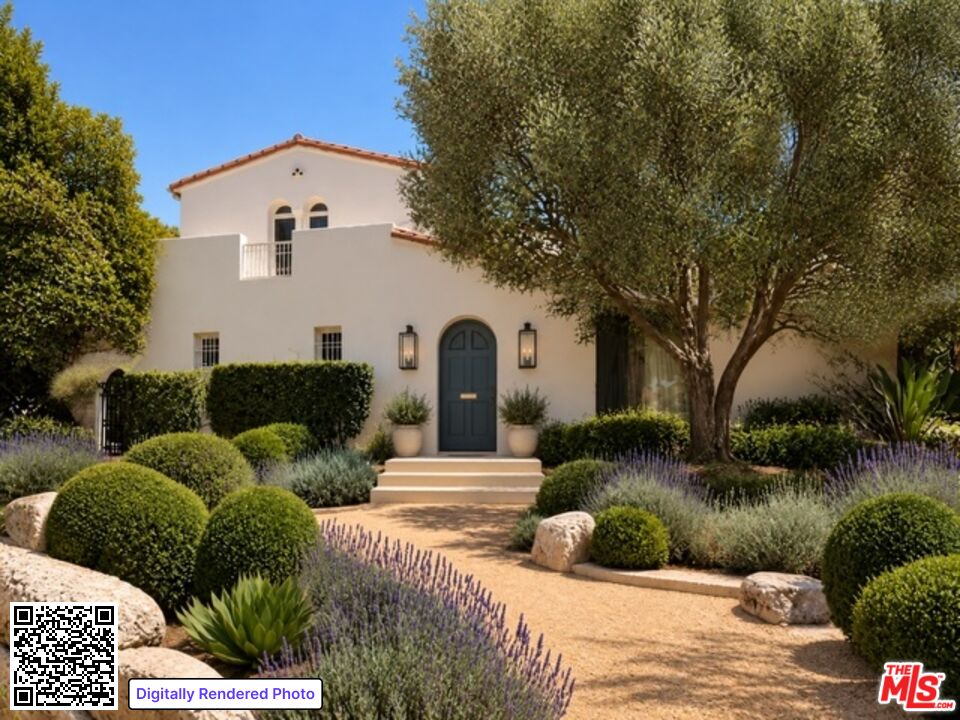
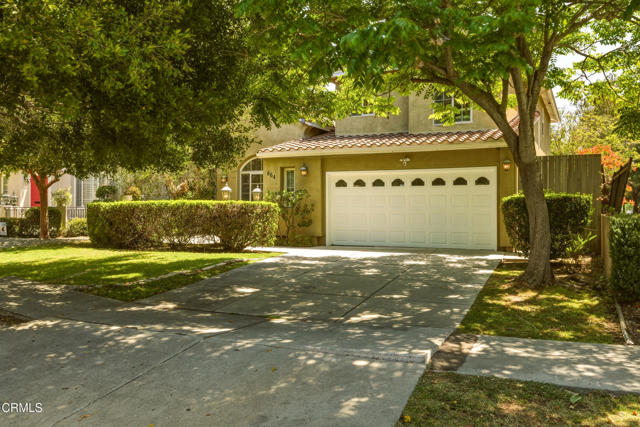
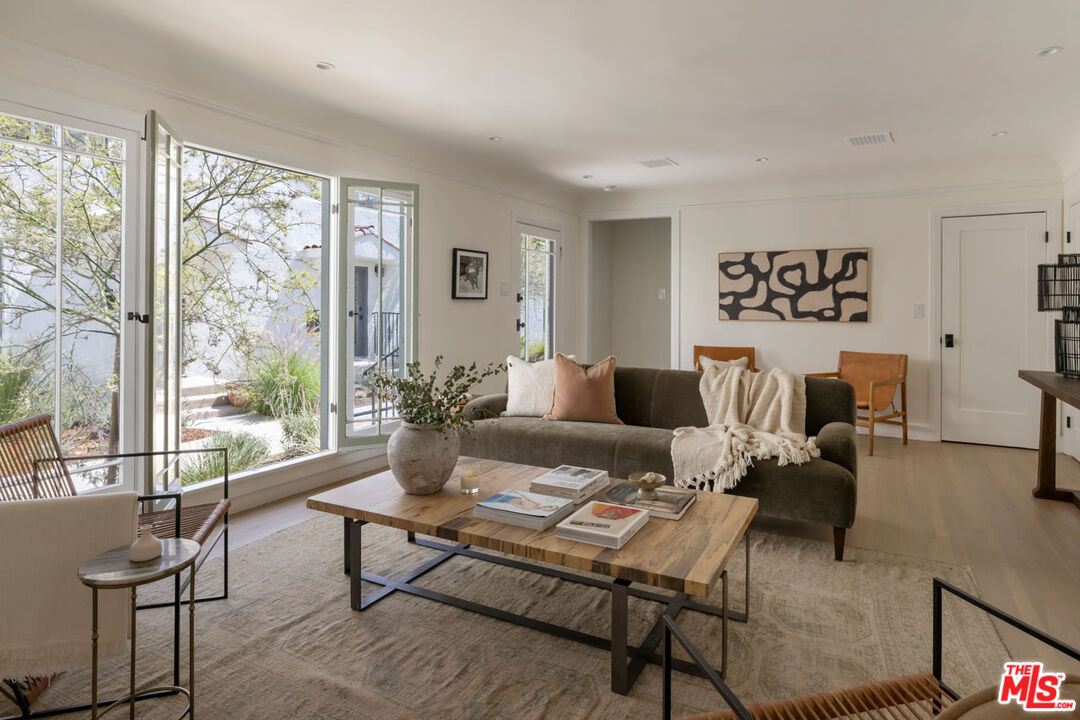
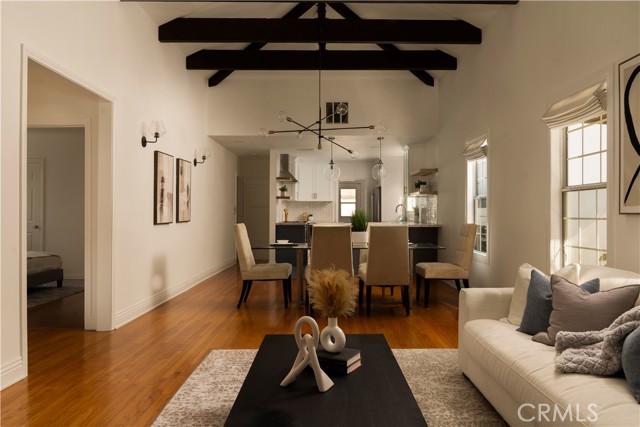
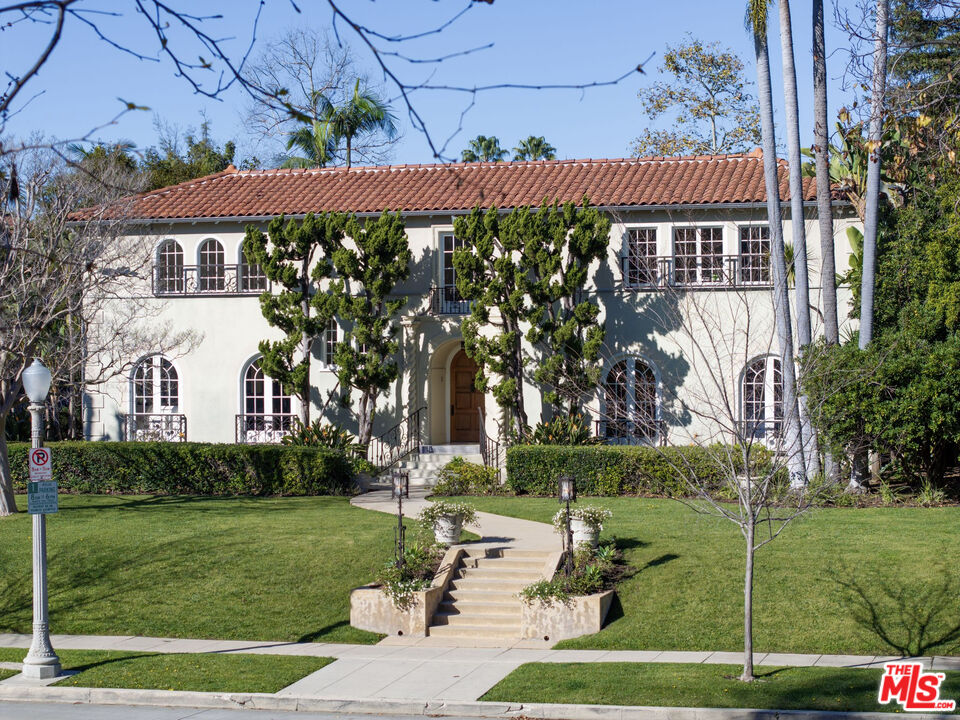
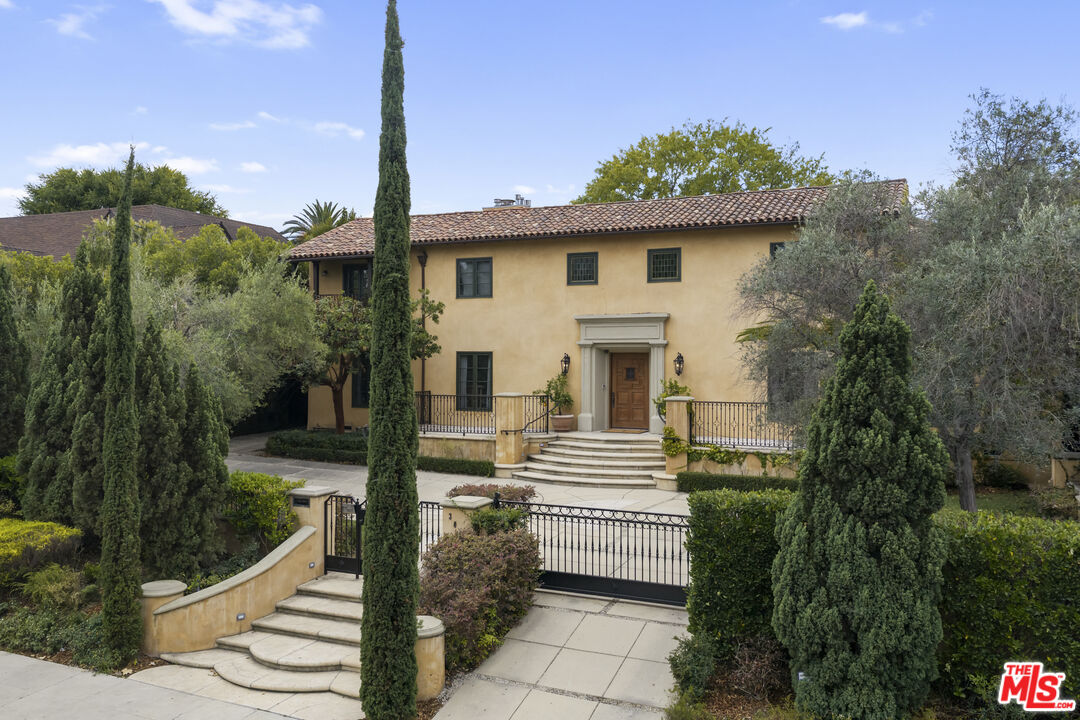
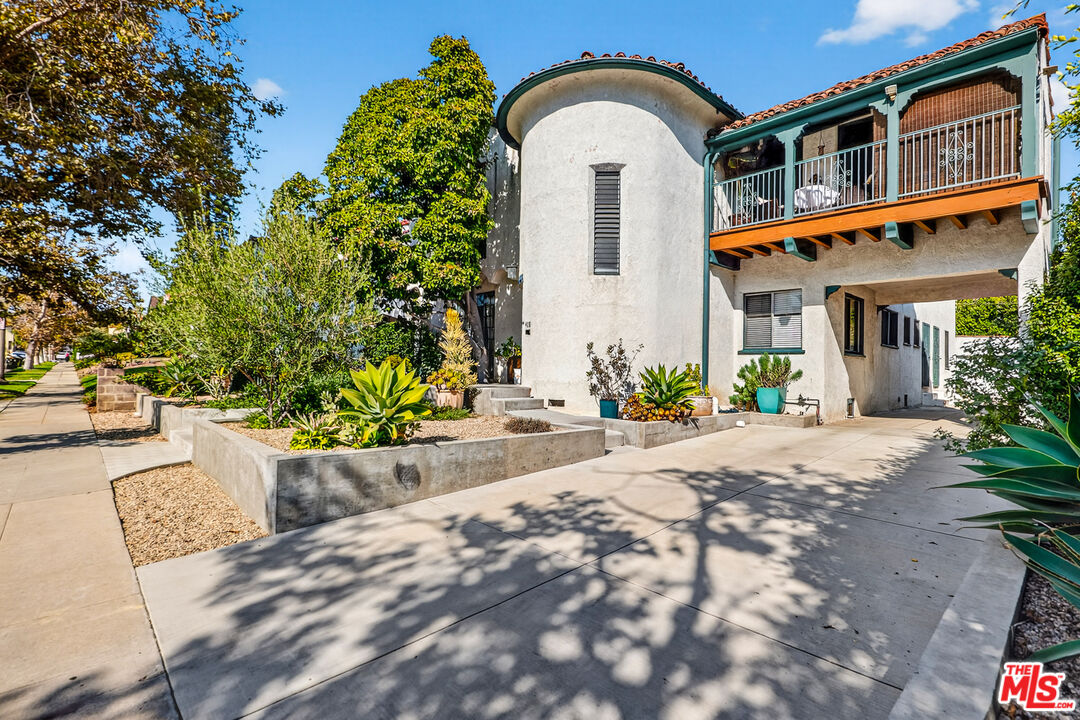
Spanish Colonial Revival and Mission homes are among the most common: whitewashed or hand-troweled stucco, red barrel-tile roofs, wrought-iron window grilles and light fixtures, exposed ceiling beams, and interior courtyards that make the floor plans feel larger than their square footage.
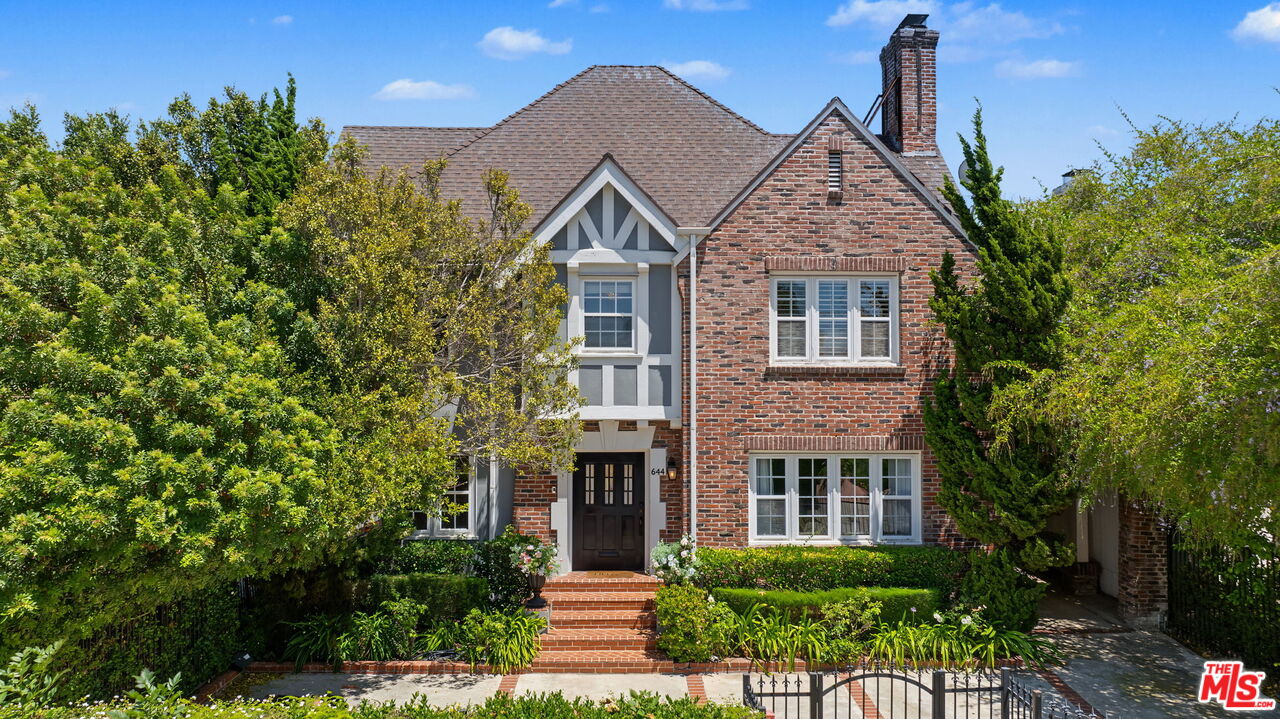
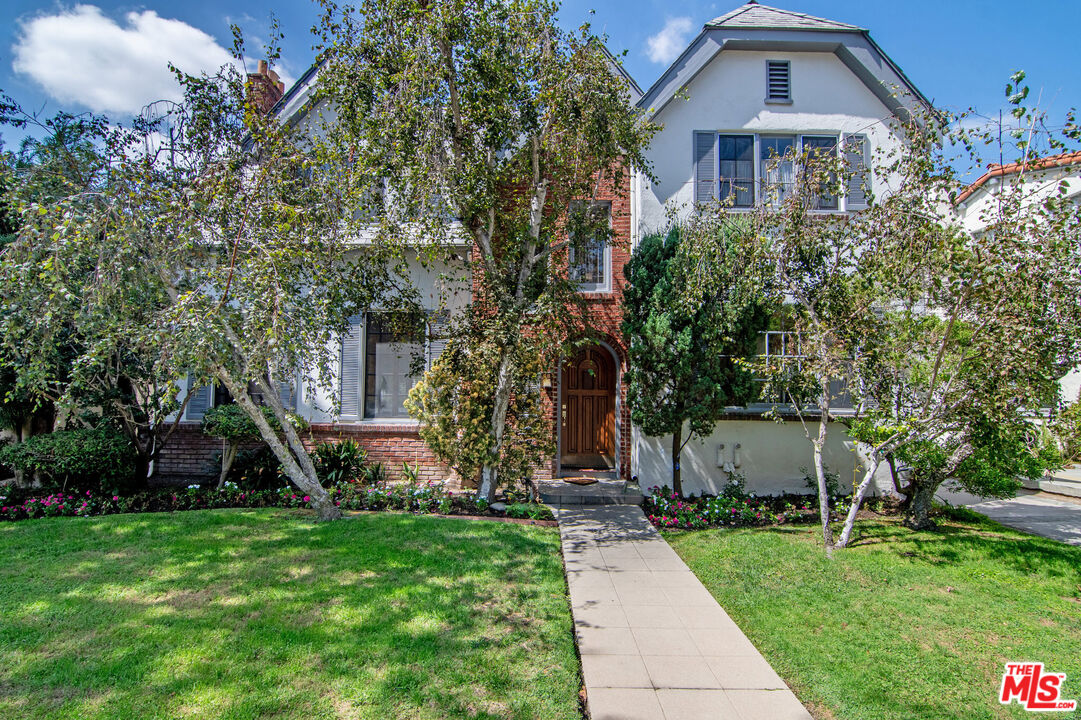
Tudor Revival and French Normandy properties bring asymmetrical massing, steeply pitched gables, prominent brick or stone chimneys, leaded-glass windows, and decorative half-timbering. These tend to be the most maintenance-intensive homes in the neighborhood — original leaded glass and slate roofing are expensive to restore correctly and expensive to get wrong.
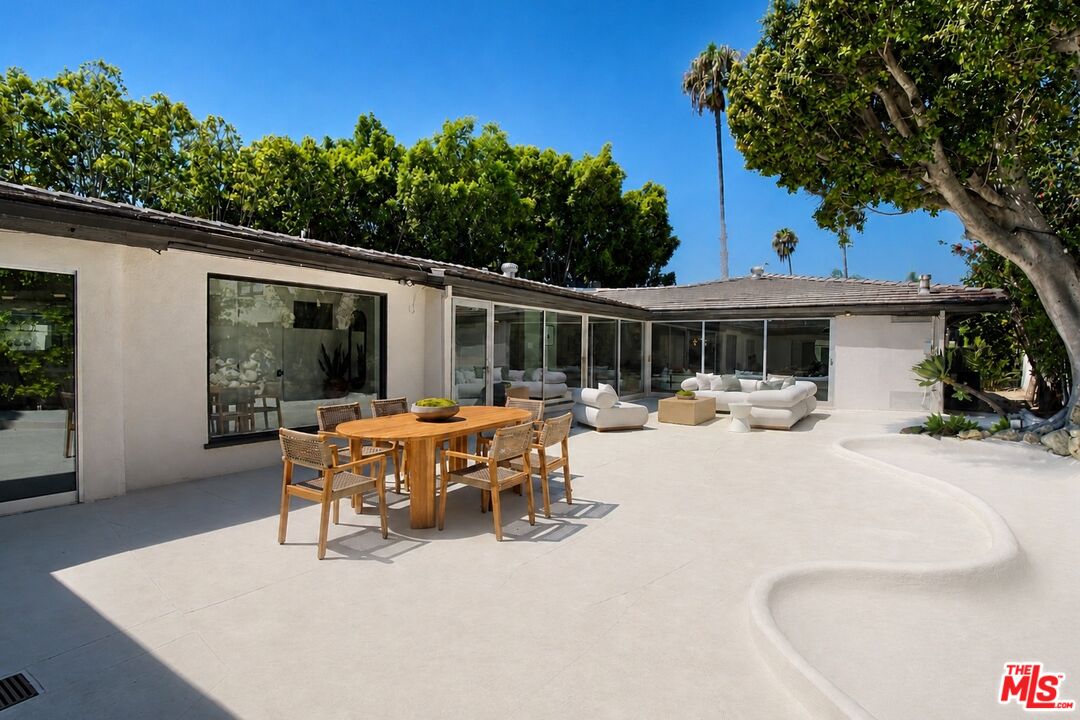
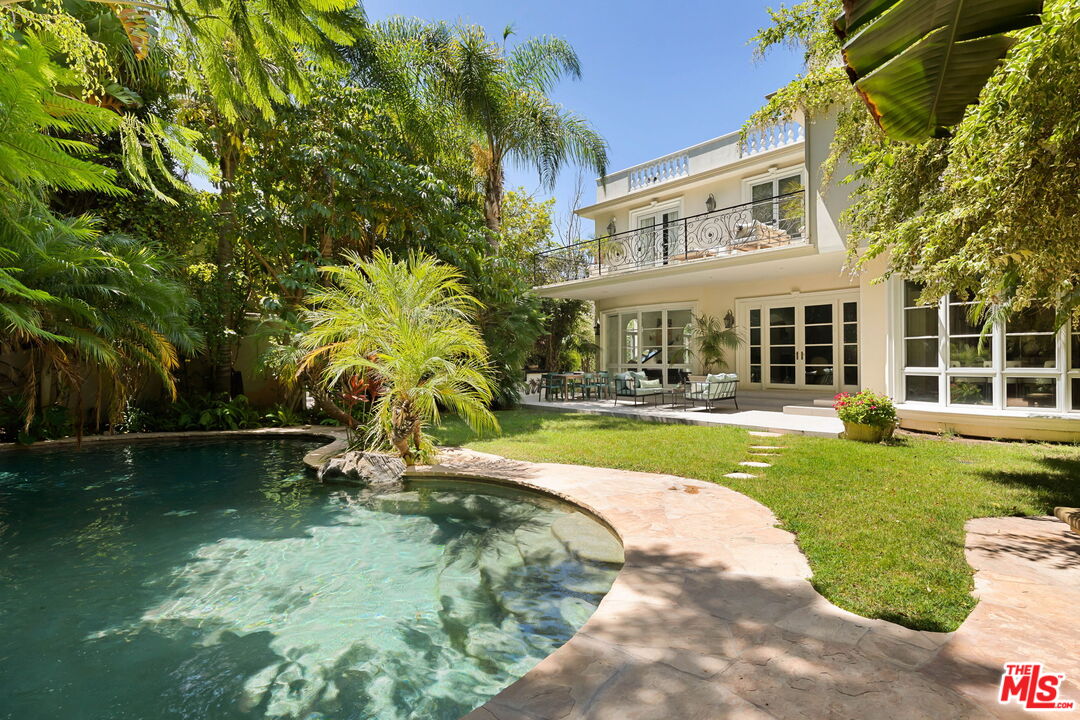
Mediterranean and Italian Renaissance residences favor smooth stucco, symmetrical entries, arched loggias, terracotta tile, and formal balustrades. They are frequently the largest homes on their blocks and photograph exceptionally well, which matters at the upper price tiers.
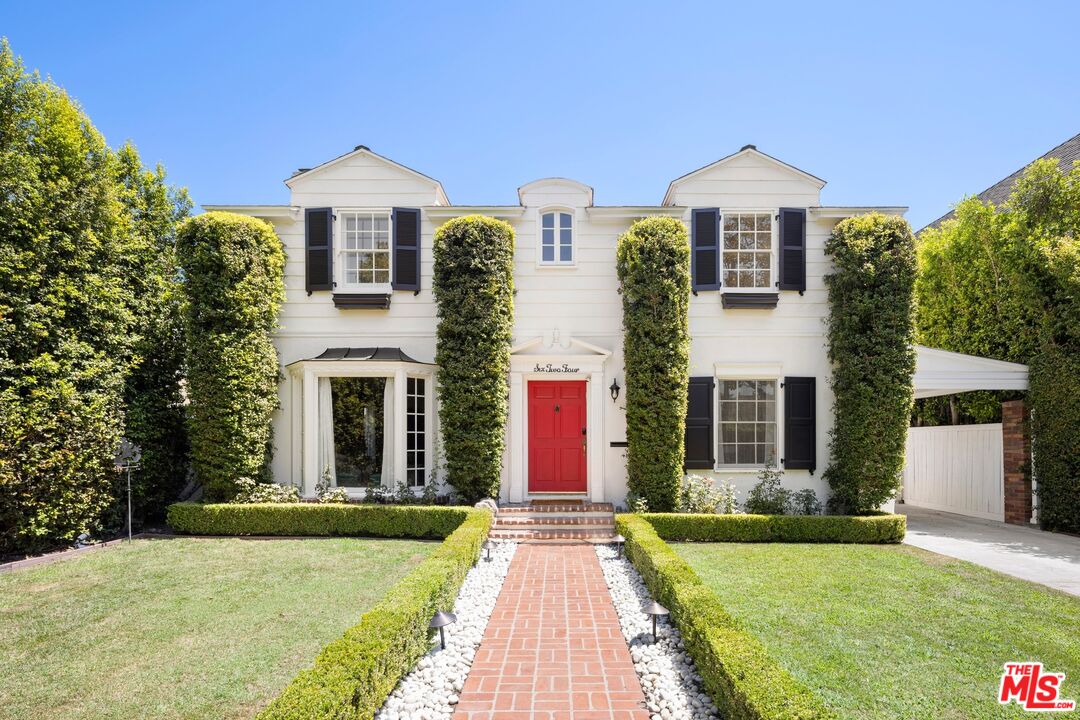
Colonial Revival and Georgian homes round out the mix with symmetrical facades, white pilasters, multi-pane sash windows, center-hall layouts, and heavy crown molding — the most conventionally "traditional" inventory in the area and often the easiest for out-of-state buyers to read.
A practical note from experience: two homes in the same style can carry very different renovation risk. What matters is whether prior owners repaired original fabric or replaced it — and whether they pulled permits when they did.
Hancock Park HPOZ: What Homeowners Should Know
Adopted in 2007, the Hancock Park Historic Preservation Overlay Zone is administered by the Los Angeles Department of City Planning together with a five-member local HPOZ Board. Its purpose is to protect the neighborhood's historic fabric, its mandatory fifty-foot setbacks, and the integrity of street-facing elevations.
The scope that catches buyers off guard is this: review is mandatory for any exterior work visible from the public right-of-way. Interior remodeling is generally outside the HPOZ's reach. Everything the street can see is not.
Category | What falls under review |
|---|
Primary facades | Windows, doors, trim, exterior wall finishes, entry porches |
Roofs and chimneys | Material changes, skylights, dormers, roofline alterations |
Site features and hardscape | Front-yard landscaping, tree removal, driveways, walkways, gates, fencing |
Additions and ADUs | Massing, height, roof form, and street visibility of new or detached square footage |
Four principles govern most outcomes. Repair is favored over replacement — original wood windows, doors, and trim should be restored where feasible, and where replacement is unavoidable, materials, profiles, and operation must match the original. Additions must be subordinate, pushed toward the side or rear so the historic structure still reads as the primary mass from the street. Materials and color schemes on contributing structures should follow the adopted guidelines; modern substitutes such as vinyl windows are generally not approved on street-facing elevations. And unpermitted work carries real consequences — LADBS citations, stop-work orders, and remediation costs to return a property to its historic baseline.
This is the single most common source of surprise in Hancock Park transactions. Sellers sometimes don't know that a prior owner's window swap was never approved; buyers sometimes discover mid-escrow that the renovation plan they budgeted for won't clear the board. Both are avoidable with the right diligence before contingencies are removed.
Mills Act Tax Incentives for Historic Hancock Park Homes
The Mills Act is California's most consequential financial incentive for historic preservation, and Hancock Park is one of the neighborhoods where it moves the math most. Qualifying owners can reduce property taxes by roughly 30% to 60% annually in exchange for a binding ten-year preservation agreement.
The mechanism is a change in how the property is assessed. Rather than valuing the home under Proposition 13 rules — purchase price plus annual inflation — the LA County Assessor applies an income approach: assessed value equals net operating income divided by a capitalization rate. Net operating income is derived from the home's potential fair-market rental income less standard operating and maintenance expenses. The capitalization rate combines state interest rates, the local tax rate, an amortization component, and a fixed 4% historic-risk factor for owner-occupied homes. For a recently purchased high-value home, the gap between those two methods can be substantial.
Eligibility requires the property to be a designated Historic-Cultural Monument or certified as a contributing structure within the Hancock Park HPOZ. The contract runs on a rolling ten-year term that renews annually, and the savings are not unrestricted — they must be reinvested according to a documented ten-year restoration and maintenance schedule covering work such as repairing original wood windows, restoring masonry, or upgrading systems while preserving historic finishes.
The detail that most affects value: the contract transfers with the property. A Hancock Park home already under a Mills Act agreement carries a durable tax advantage to its next owner, and that advantage should be priced into both listing strategy and buyer underwriting. In my experience it is one of the most frequently overlooked sources of value in the neighborhood.
Hancock Park Home Prices and What Your Budget Buys
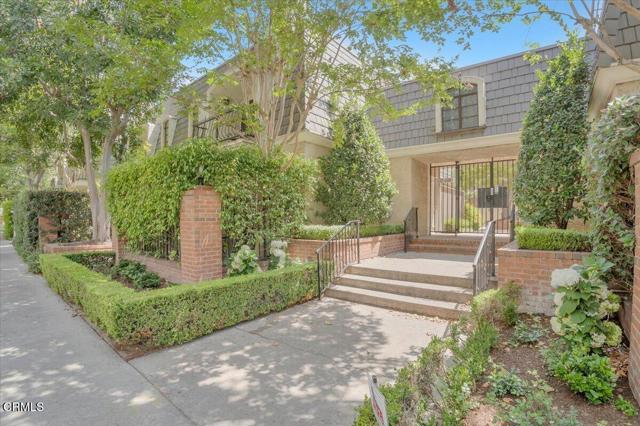
Hancock Park spans a wider range than its reputation suggests — from pre-war condominiums on Rossmore to gated landmark estates on interior blocks.
Budget | Property type | What it buys |
|---|
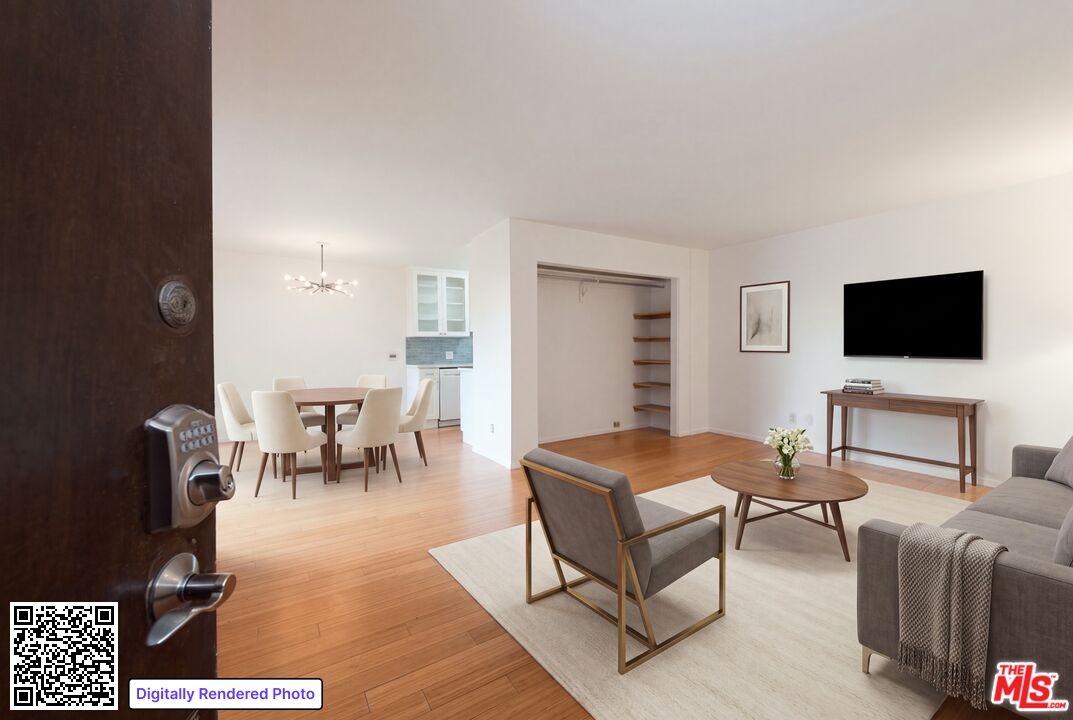
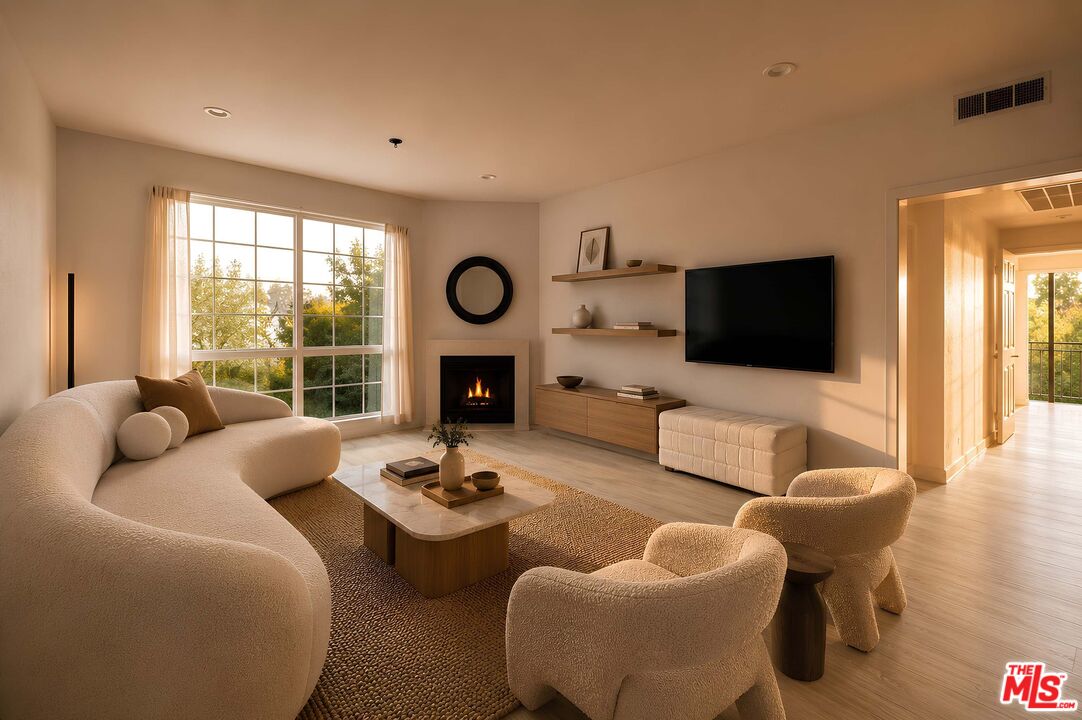
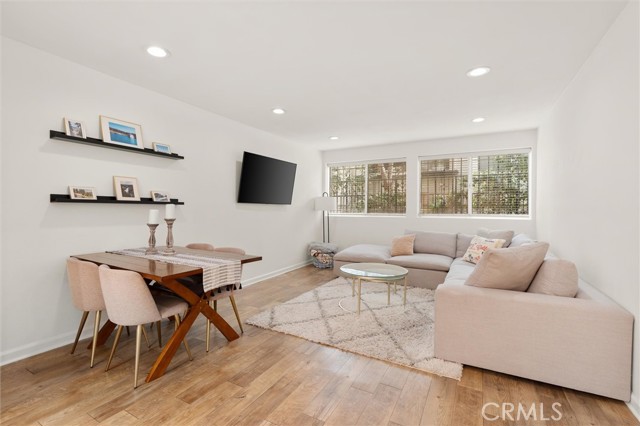
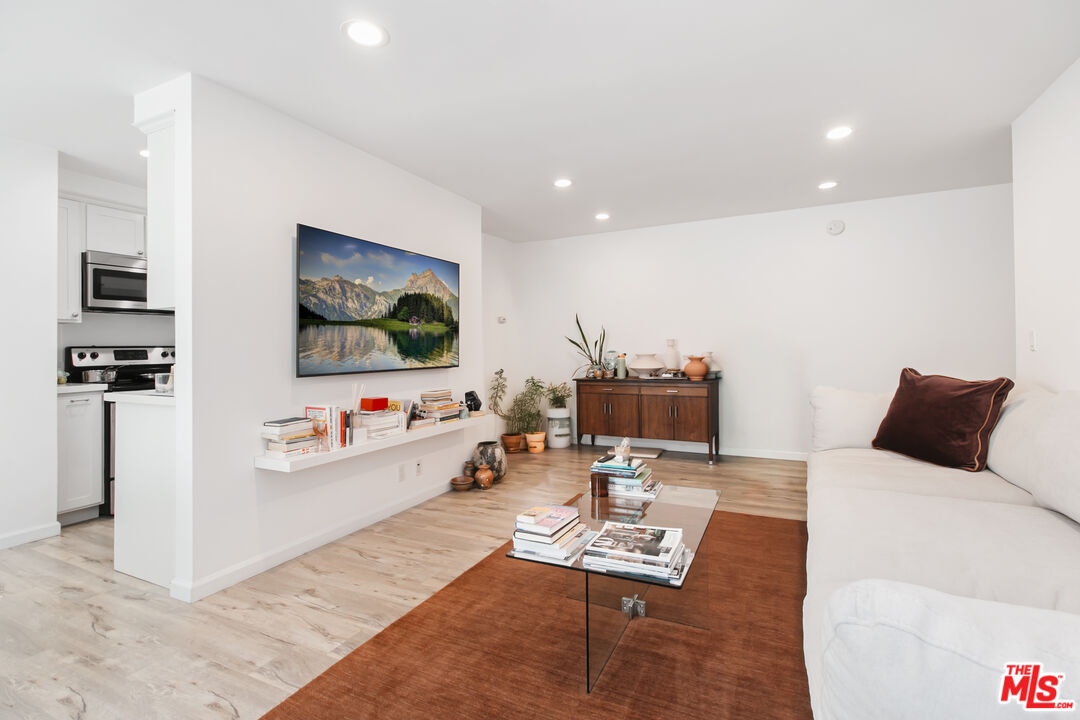
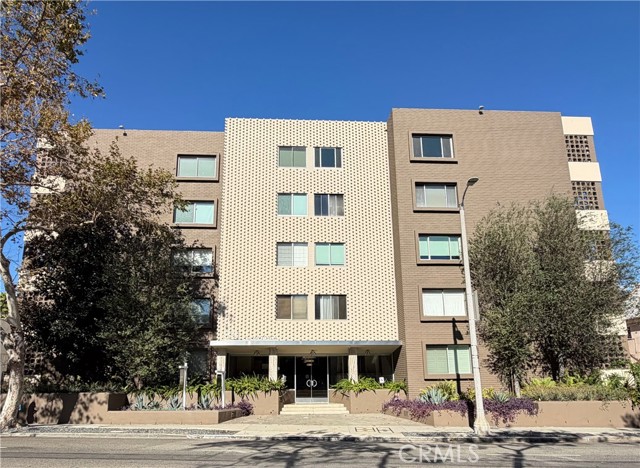
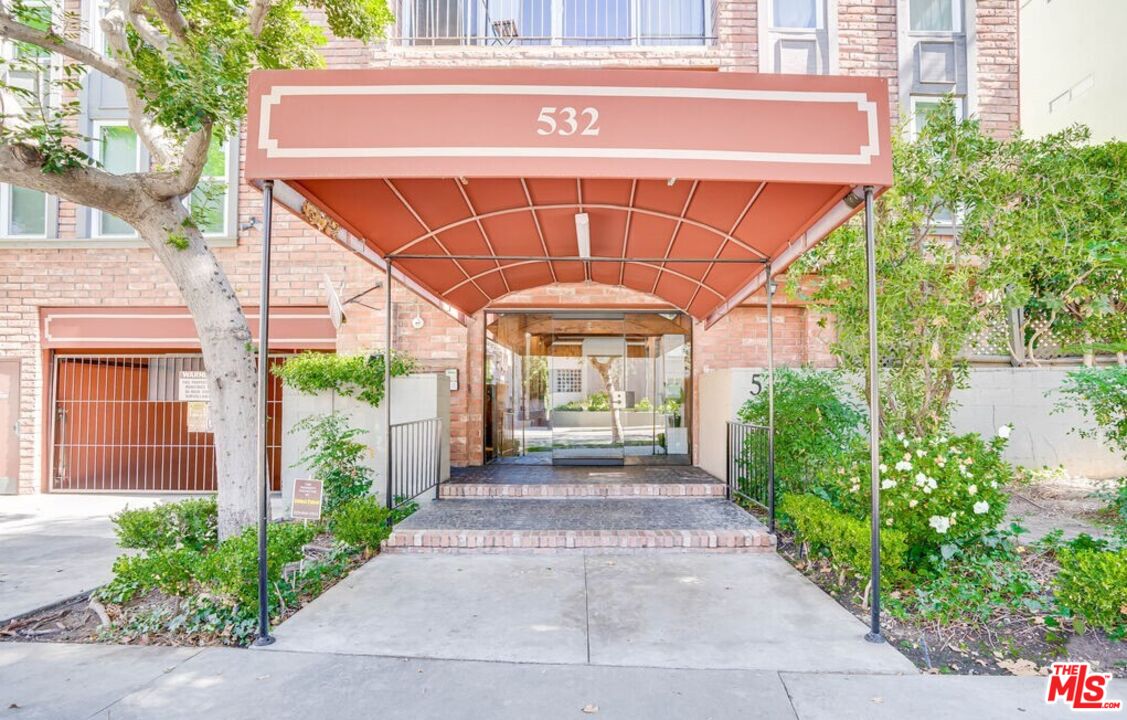
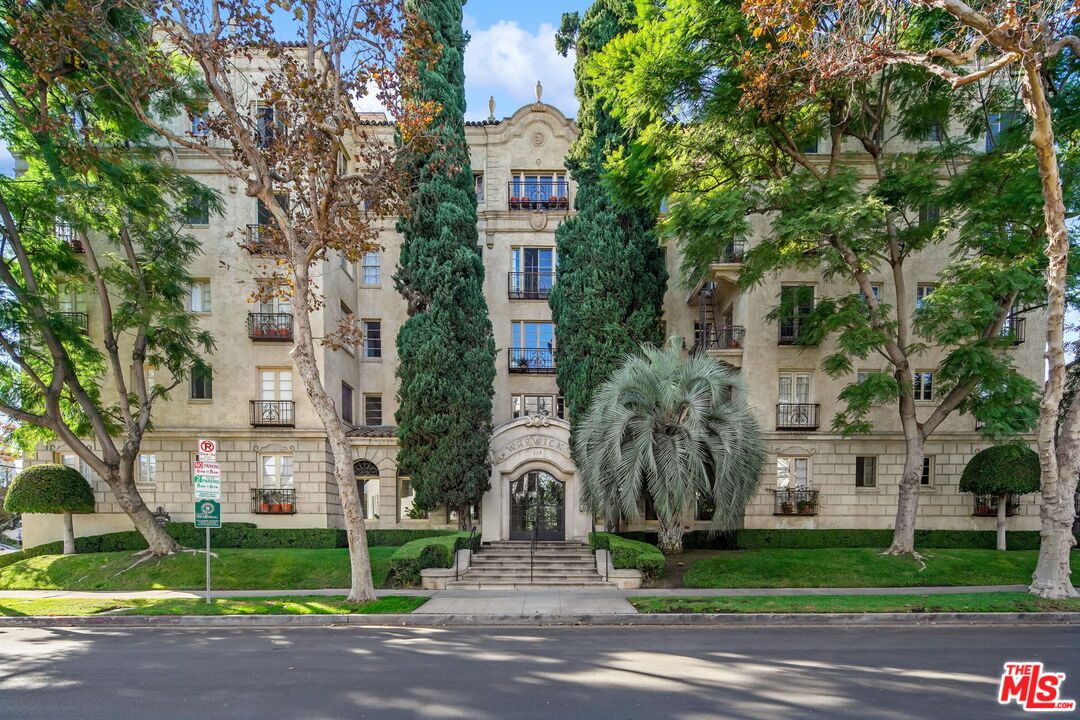
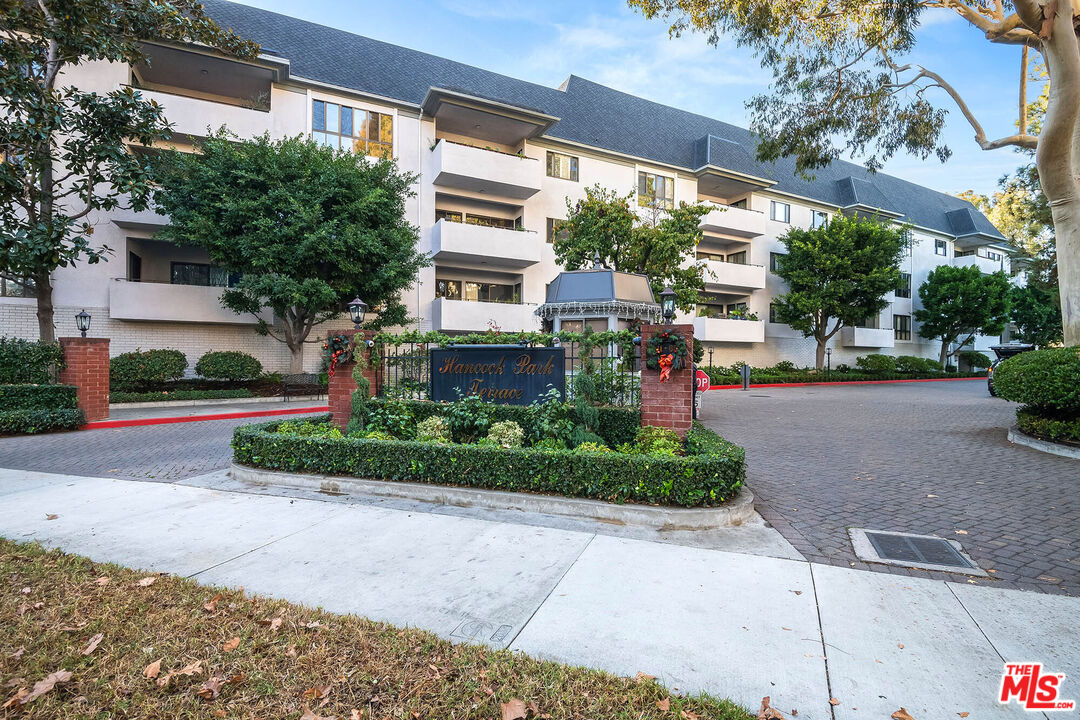
$800K – $1.5M | Luxury condominiums and co-ops | One- to two-bedroom units of 1,000–1,800 sq ft in classic pre-war buildings or mid-century complexes along Rossmore Avenue, often with original period molding and building amenities |
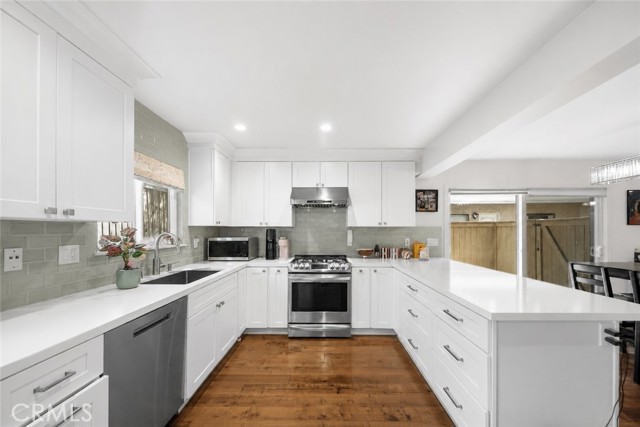
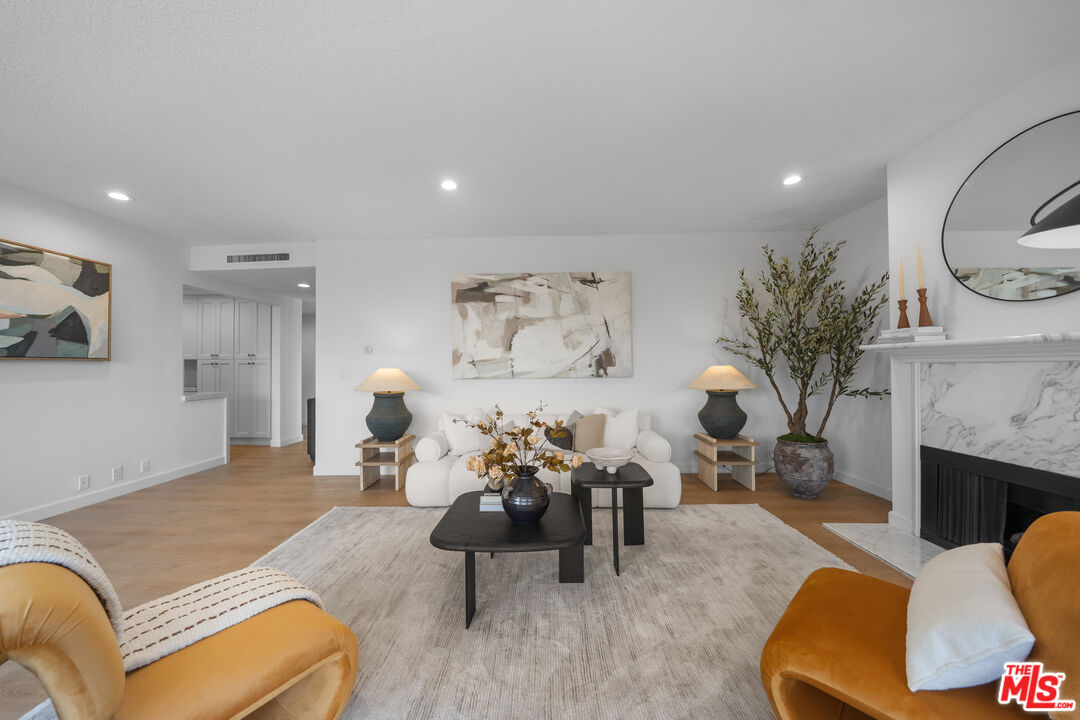
$1.5M – $3M | Smaller single-family homes and duplexes | Two- to three-bedroom character homes of 1,800–2,800 sq ft on standard lots, typically with original detailing and updated kitchens and baths |
$3M – $5M | Classic single-family estates | Four- to five-bedroom Period Revival homes of 3,500–5,000 sq ft on streets like McCadden Place or Lillian Way, with manicured grounds, pools, and detached guest houses |
$5M – $15M+ | Grand landmark estates | Trophy properties of 5,000–10,000+ sq ft on prime interior blocks such as Muirfield Road or Hudson Avenue, frequently by master architects, with gated grounds, deep setbacks, and full restorations |
Two adjustments to make when reading these tiers. First, restoration quality swings value more here than in most markets — a home with original windows intact and systems quietly modernized commands a premium over a comparable house that was "updated" in the 1990s with materials no longer permitted. Second, a home carrying a Mills Act contract effectively costs less to hold than its list price implies, and that should factor into any comparison across tiers.
Sub-Areas and Adjacent Enclaves
Hancock Park anchors the Greater Wilshire area, but buyers searching the neighborhood almost always end up considering its neighbors. Each offers a different version of historic character, and in several cases a different regulatory picture.
Windsor Square, immediately east of Rossmore Avenue, runs from Beverly Boulevard south to Wilshire and east toward Van Ness Avenue and Wilton Place. It shares Hancock Park's 1920s architecture and HPOZ protections but was laid out on a slightly more generous garden-suburb plan. It is also home to Getty House, the official residence of the Mayor of Los Angeles.
Fremont Place, south of Wilshire, is a different category altogether. Developed in 1911 as Los Angeles's first guard-gated community, it comprises just 73 estates on roughly 50 acres, with Neoclassical and Period Revival mansions set behind the stone pillars off Wilshire. Availability is extremely limited and transactions are frequently handled quietly.
Brookside, extending south of Wilshire toward Olympic between Highland Avenue and Muirfield Road, is a quiet pocket of about 400 homes. Its defining feature is El Rio del Jardin de las Flores — a stream running through front and back yards along Longwood Avenue, unlike anything else in central LA. Homes skew smaller: one- and two-story 1920s bungalows and modest Period Revivals, which makes Brookside a realistic entry point for buyers who want the architecture at a lower basis.
Citrus Square, northwest of Hancock Park above Third Street and west toward La Brea, mixes early-century single-family homes with Spanish-style duplexes and small apartment buildings. The higher density and proximity to La Brea's retail corridor give it a more urban feel and make it worth a look for buyers considering income property.
Larchmont Village: Shopping, Dining, and Everyday Amenities
Larchmont Boulevard between First Street and Beverly Boulevard functions as the town square for Hancock Park and Windsor Square — a genuinely pedestrian commercial strip in a city that mostly doesn't have them. For many residents, it is the reason they tolerate LA traffic elsewhere.
The dining and café mix runs from Great White for a coastal day-café breakfast to Go Get Em Tiger for coffee, Larchmont Wine & Cheese for its takeaway baguettes, and Levain Bakery. Chevalier's Books, open since 1940 and the oldest independent bookstore in Los Angeles, remains the street's anchor institution and a reliable indicator of how long-memoried this community is.
Retail leans independent — clothing boutiques, skin-care and wellness studios including Caudalie, flower stands, toy shops, and home décor. The practical infrastructure is there too: post office, banks, dry cleaners, and small grocers, which is what actually makes daily life here walkable rather than just pleasant. The Larchmont Farmers Market runs Sundays from 10 a.m. to 2 p.m. and doubles as the neighborhood's standing social event.
Wilshire Country Club and Neighborhood Recreation
Recreation in Hancock Park is split between historic private clubs and a handful of nearby public parks.
Wilshire Country Club, founded in 1919 along Rossmore Avenue, is the neighborhood's defining institution — an 18-hole Norman Macbeth course built around a natural barranca, with a historic clubhouse, dining, tennis courts, and a pool. Its fairways also function as the neighborhood's green buffer, and homes backing the course carry a distinct premium.
Adjacent to it, the Los Angeles Tennis Club, established in 1920, offers 16 courts across hard, clay, and Har-Tru surfaces, plus a pool, fitness center, and clubhouse restaurant. Both clubs are private, with their own membership processes and timelines — worth understanding early if club access is part of why you're buying here.
For public space, Pan Pacific Park near Third Street and Gardner Avenue sits just northwest of the neighborhood and provides open lawns, baseball and basketball facilities, a recreation center, playgrounds, and an outdoor pool. Closer in, Robert L. Burns Park at 4900 Beverly Boulevard offers a small green refuge with picnic areas and a playground.
Schools Serving Hancock Park
School access is a primary driver of demand in Hancock Park, and the picture includes both strong LAUSD options and a significant private and independent cohort.
On the public side, Third Street Elementary (K–5) is the headline — consistently among the higher-performing elementary schools in the state, with an unusually active parent community and STEAM and arts enrichment. Burroughs Middle School (6–8) serves the area with magnet programming and established academic tracks, and Los Angeles High School (9–12), the oldest public high school in Southern California, offers AP and magnet pathways. Many area families also pursue LAUSD magnets such as LACES or nearby charters rather than default assignments.
One caution worth stating plainly: attendance boundaries in this part of the city do not follow neighborhood lines, and assignments can change block to block. If a specific school is central to your purchase decision, verify the address through LAUSD's resident school locator before you write an offer rather than relying on a listing description.
Privately, Marlborough School — founded in 1889, all-girls, grades 7–12 — sits in the heart of Hancock Park and is among Southern California's premier college-preparatory schools. Page Academy on Las Palmas Avenue serves PreK–8 with small class sizes, and St. Brendan School offers Catholic PreK–8 education near Manhattan Place. Families also commonly send students over the hill to Harvard-Westlake, Campbell Hall, and Oakwood, with private bus routes connecting Hancock Park to all three.
Location and Commute: Access to Downtown LA, Miracle Mile, and the Westside
Central location is Hancock Park's structural advantage. From Melrose to Wilshire and Rossmore to Highland, residents can reach both Eastside and Westside destinations without committing to a single freeway.
Miracle Mile and LACMA are five to ten minutes south along Wilshire, putting Museum Row — LACMA, the Academy Museum, the Petersen — within an easy errand's distance. Downtown Los Angeles runs 15 to 30 minutes east via Wilshire, Sixth Street, or Third Street, which serves commuters to the Financial District, Civic Center, and Arts District. Hollywood and Studio City sit 10 to 20 minutes north up Highland or Rossmore, with direct access to Paramount and the Cahuenga Pass into the Valley. Beverly Hills and Century City are 15 to 30 minutes west via Wilshire, Olympic, or Santa Monica Boulevard.
The development worth watching is transit. The Metro D Line extension along Wilshire Boulevard, with stations near Wilshire/La Brea and Wilshire/Western, materially improves east-west rail connectivity for the southern edge of the neighborhood — a factor that has historically been absent from central LA value calculations and is beginning to register in them.
Buying or Selling in Hancock Park: Connect with Jordan Pollack
Hancock Park rewards local knowledge more than almost any neighborhood in Los Angeles. The questions that determine whether a purchase goes well here are specific: is this structure a contributing property, is there a Mills Act contract in place or available, was that addition permitted, will the renovation you're planning survive HPOZ review, and what does a thin comp set actually tell you about value. Those are not questions a general-market approach answers well.
Jordan Pollack leads LA Luxuries, a Los Angeles firm focused on high-end residential sales, leasing, and estate management across Hancock Park, Windsor Square, Beverly Hills, and the prime Westside enclaves. Jordan began his career in a Beverly Hills mailroom, assisting a veteran agent and building a client base from the ground up, and became a landlord early — leasing and managing his own property before advising others on theirs. That path shaped a practice that spans acquisition, disposition, leasing, and ongoing estate oversight, supported by targeted marketing, data-driven pricing, and emerging technology including AI. He has represented celebrities, financial executives, families, corporations, event planners, travel agencies, production companies, and insurers — work in which discretion is a baseline requirement, not a service upgrade.
Originally from South Florida, Jordan studied film production, marketing, and writing before relocating to Los Angeles, where he met his wife, Nicole, three weeks after arriving. He is observant in Judaism, studied at Mayanot, Aish, and the Sh'or Yoshuv Institute in Israel, and volunteered with the IDF during his time there. He and Nicole are raising two young daughters. Outside of work, he hikes, travels, meditates, and continues Torah study.
For buyers, that means representation that identifies the right historic homes, evaluates HPOZ compliance before you're committed, surfaces Mills Act opportunities other agents miss, and structures offers that hold up in a low-inventory market. For sellers, it means precise positioning, bespoke photography and media, targeted high-net-worth marketing, and quiet handling where quiet handling is what the situation calls for. For owners and lessees, it means guidance on luxury leases, furnished properties, and full estate management across central Los Angeles.
If you are weighing a move into Hancock Park, considering a sale, or simply trying to understand what your home is worth in a market this thinly traded, Jordan is available for a direct conversation — no obligation, and no pressure to transact on anyone's timeline but your own.